No. 29541
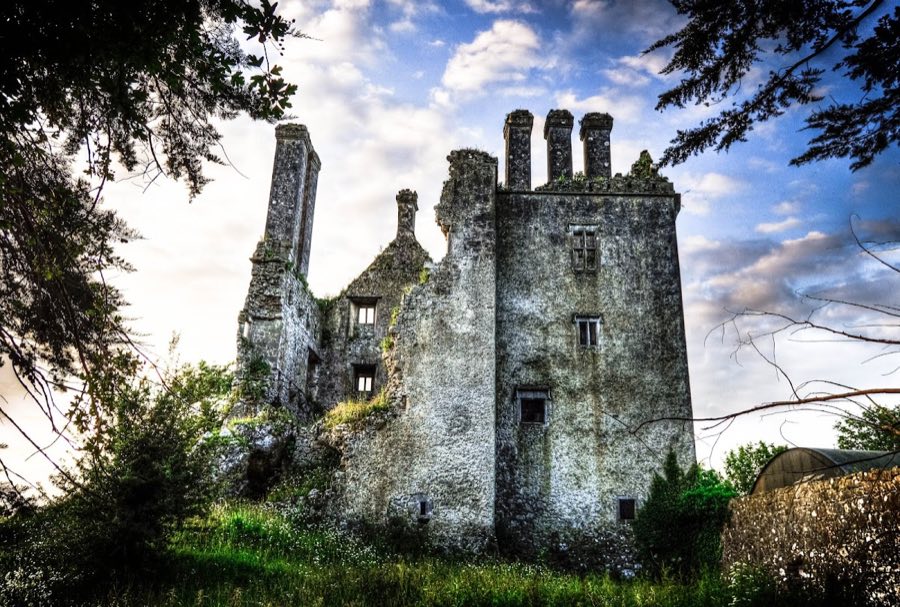
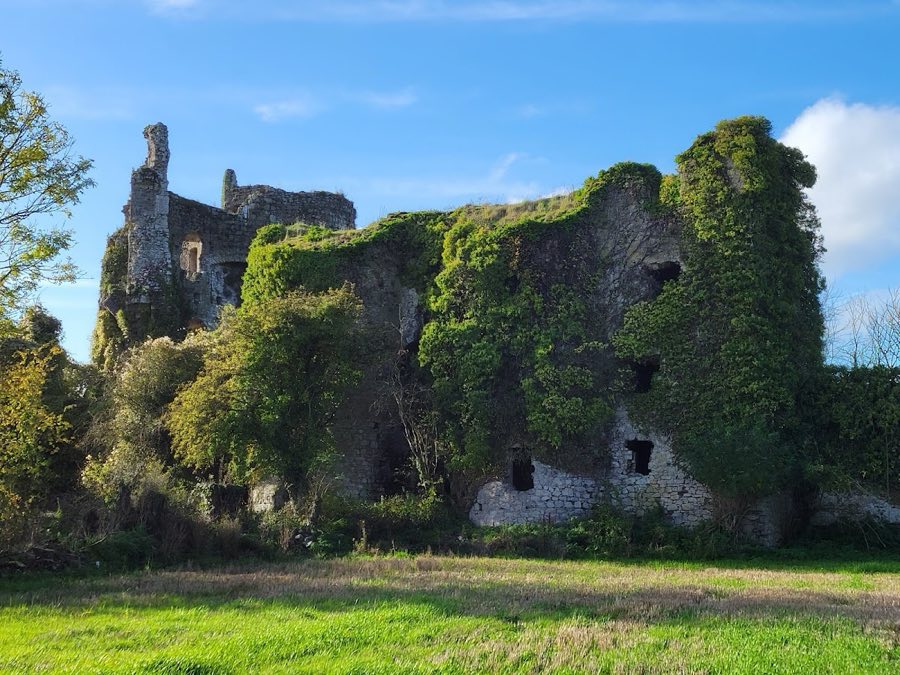
Ballycowan Castle
Ireland
Tower houseRuin16th century
No. 74063
Castle · Ireland
No. 74063 · 53.260 N, 7.528 W
For events
Charleville Castle is marked as a château or castle venue lead. Capacity, indoor/outdoor spaces, catering rules, and accommodation options are published only after public verification.
Event types: Private events, Cultural gatherings, Filming and photography
Quick summary
Charleville Castle is a castle in Ireland with origins associated with the 17th century.
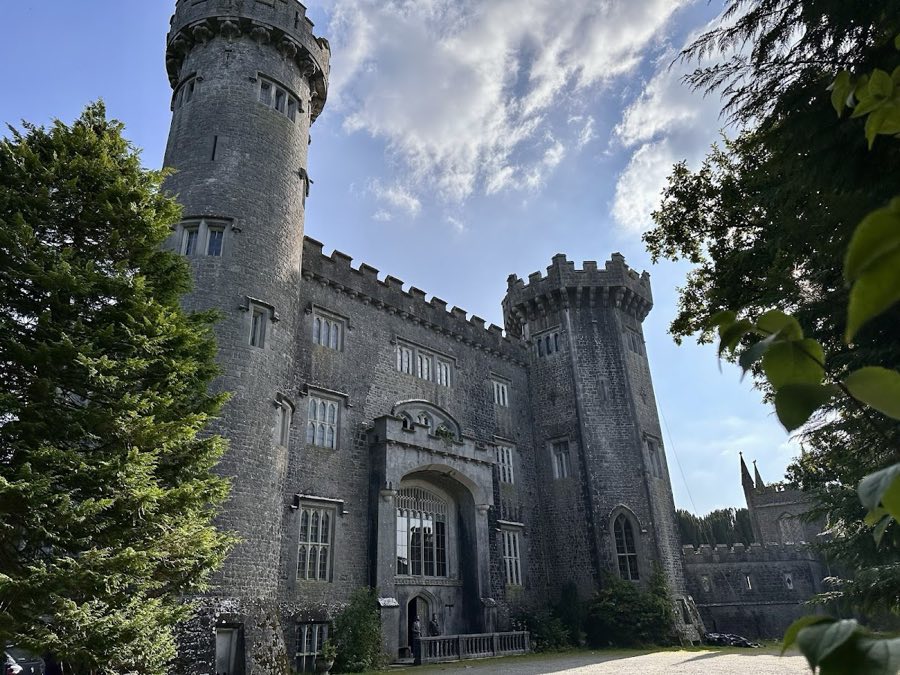
See all castles in IrelandCharleville Castle in Tullamore, Ireland, stands on a demesne first developed when a mansion was built for Thomas Moore around 1641. The standing building visible today belongs to the Gothic revival movement of the early nineteenth century, and the estate is noted as one of the finest examples of that style in Ireland. Over the centuries the place served as a family seat and a setting for notable social and cultural activity, including gatherings by important figures of the period.
During the later seventeenth and eighteenth centuries ownership passed within the Moore family and then through marriage to the Bury family. Charles William Bury, who received the earldom of Charleville in 1806 under a second creation of the title, moved to replace the older house and commissioned a new country house in 1798. Construction of the new neogothic house took place between 1800 and 1812. Because successive owners lacked steady resources, the house was not occupied continuously; each reopening of the building brought fresh work, either adding rooms or refurbishing interiors.
The house became a centre for society in its day. During one of the periods of redecoration the dining room ceiling was designed by William Morris. The castle also hosted Lord Byron, who entertained there on a number of occasions. A large painting by Matthew William Peters, depicting a scene from Henry VIII, was removed from the house in 1970 and now forms part of a Canadian collection. The estate ceased to be lived in after 1912, when Colonel Howard‑Bury moved to Belvedere House in County Westmeath.
The twentieth century saw prolonged decline followed by repair efforts. By 1968 the building’s roof had been taken down. Work to stabilise and restore the house began in the early 1970s under Michael McMullen and was continued by Constance Heavey Seaquist and Bonnie Vance, alongside a charitable trust established to support conservation. In the years that followed the site has been managed by a heritage trust with day‑to‑day operations carried out by volunteers, and space within the castle was adapted to accommodate The Explorers’ Museum, dedicated to Charles Howard‑Bury. The demesne and the house have also attracted attention for alleged supernatural occurrences, with a well‑known local story about a little girl named Harriet who is said to have died after a fall on a staircase. The castle and its grounds have appeared on several television programmes, have been visited by paranormal investigators and photographers, and have been used as a location in a number of films and television productions.
The principal surviving element is the large neogothic country house completed in the early nineteenth century. Erected between 1800 and 1812, this standing building displays the Gothic revival character promoted at that time and was intended as a grand family residence. The interior once included a dining room ceiling designed by William Morris; that decorative element formed part of later phases of interior refurbishment. By 1968 the building had lost its roof, a condition that prompted major conservation activity from the 1970s onward. Restoration work has been undertaken in phases by private individuals and under a charitable trust, and parts of the house have been adapted for museum and event use.
The castle sits within and directly beside Charleville Forest, a wooded area that borders the demesne and is designated as a Special Area of Conservation. An individual notable tree on the estate, locally called the King Oak, received a nomination for European Tree of the Year in 2013. Local tradition links the falling of a branch from that tree to the death of a member of the Bury family. The relationship between the house and the surrounding woodland remains an important aspect of the site’s character and setting.
Later alterations and reuse are evident across the site. Internal spaces were enlarged or refitted each time the house was reopened after a period of vacancy, and twentieth‑ and twenty‑first‑century interventions include measures to stabilise the structure and to provide display and performance areas for the museum and for public events. The castle has been used repeatedly as a filming location, demonstrating that parts of the historic fabric have been made safe and serviceable for contemporary purposes while repair and conservation have proceeded.
No. 29541
No. 35163
No. 62672
No. 20256
Comments
Comments for Charleville Castle will require a verified account before posting.
We'll send a verification link before your first comment is published.