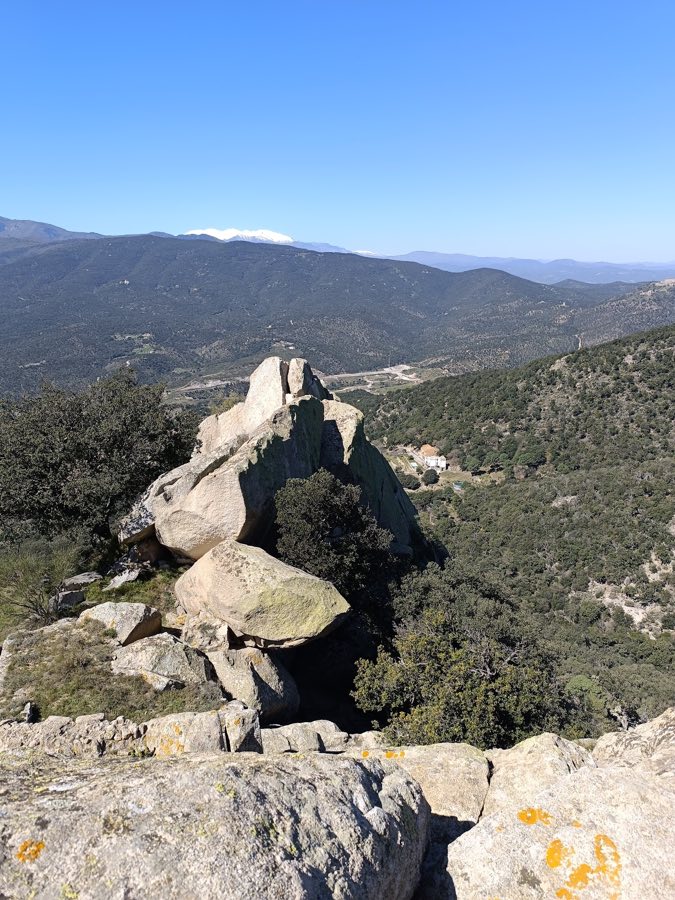
No. 82194
Castell de Rocabertí
Spain
CastleIntact10th century
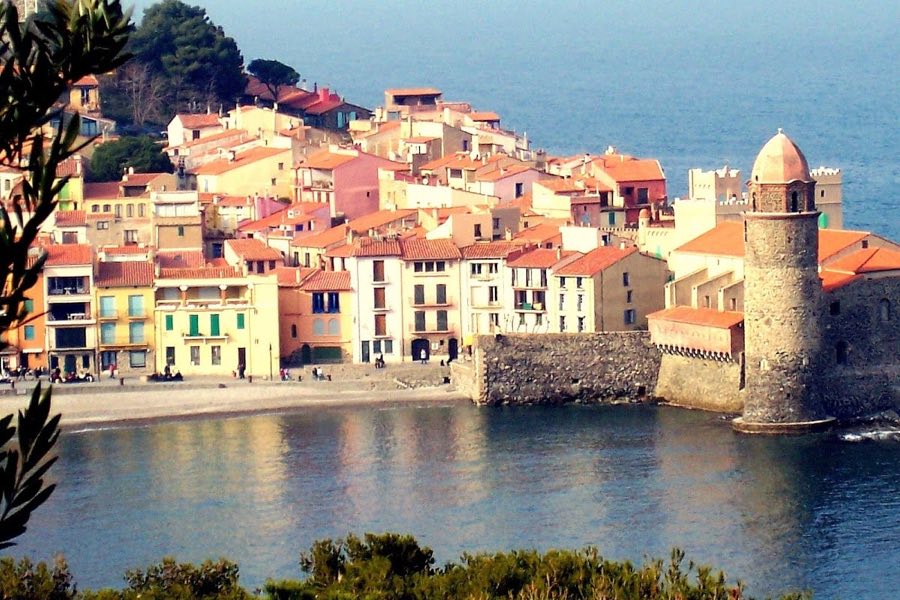
No. 35082
Château · France
No. 35082 · 42.580 N, 2.926 E
Quick summary
Château d'Ortaffa is a château in France with origins associated with the 12th century.
See all castles in FranceThe Château d’Ortaffa is situated in the village of Ortafà in present-day France. It stands on a site with origins dating back to the early medieval period, associated with the regional powers of the time.
The earliest known references to Ortafà come from documents in the years 913 and 981, which mention land transactions and holdings along the Tec river’s left bank and within the village, then recorded as Hortafano. During the 10th and 11th centuries, the property largely remained under the control of the ecclesiastical authorities of Elna, specifically within the bishopric’s domain. Members of the church hierarchy, including archpriests and viscounts such as Udalgar and Guillem of Castellnou, held sway over the area and its lands.
By the latter half of the 12th century, the local noble family bearing the Ortafà name emerges in records. Grimau d’Ortafà, a notable figure from this family, transferred his feudal rights to Girard II, Count of Roussillon. Shortly after, the count reaffirmed these rights to Grimau as his vassal but specified they came with judicial authority. This arrangement illustrates the feudal bonds and the administrative responsibilities knitted into the region’s power structure.
The lordship of Ortafà and its associated church offices, including archdeaconries within Elna, persisted through the 13th and into the early 14th century. The continuity of the family line was secured through marriage when Clemència de Durban d’Ortafà wed Berenguer de Perapertusa. Berenguer took on the Ortafà surname, maintaining the family’s prominence up to the mid-17th century. Following this period, control of the lordship passed through marital alliance to the Viver de Lansac family. Their stewardship continued until the upheavals of the French Revolution.
At the close of the 19th century and into the early 20th, the castle underwent significant restoration and rebuilding efforts. These alterations did not follow archaeological or historically accurate methods, resulting in the castle’s Romanesque character being largely transformed or obscured.
The Château d’Ortaffa crowns the highest elevation within the village, a strategic position typical of medieval fortifications. Its original Romanesque design has been heavily modified, so much so that the main structure now functions as a residence reflecting early 20th-century architectural style rather than its medieval origins.
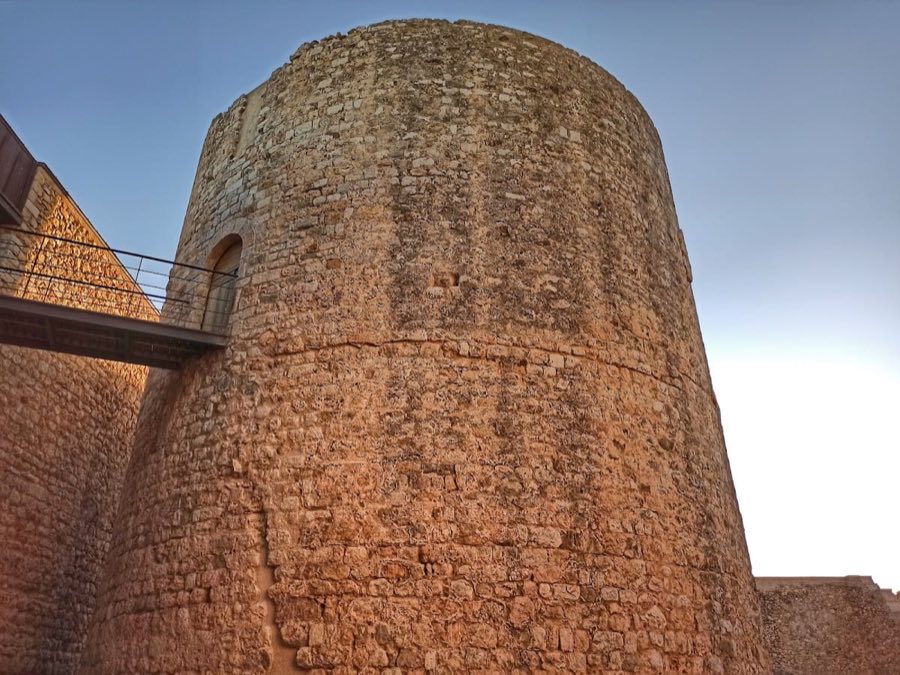
Two cylindrical towers remain as tangible elements of the castle’s original defensive system. The lower parts of these towers, up to around five meters in height, feature original masonry work. However, the upper sections were rebuilt during the romantic revival period and include stylistic elements that do not adhere closely to the initial medieval design.
Surrounding the hilltop, the castle once stood within a walled enclosure that provided protection. Today, remnants of these defensive walls survive primarily as sloping earthworks, known as talus, encircling the site. Notable wall fragments are visible along streets named “carrer del Castell” and “carreró de la Muralla.” Many stones from the castle’s fortifications have been repurposed into the foundations of houses in the village, particularly in this sector. It is likely that further archaeological remains of the medieval enclosure lie concealed within these buildings.
Together, these surviving components sketch a picture of the castle’s former defensive role and its integration into the historical fabric of Ortafà, even as substantial changes over time have altered its visible appearance.
No. 82194
No. 90669
No. 29223
No. 36732
Comments
Comments for Château d'Ortaffa will require a verified account before posting.
We'll send a verification link before your first comment is published.