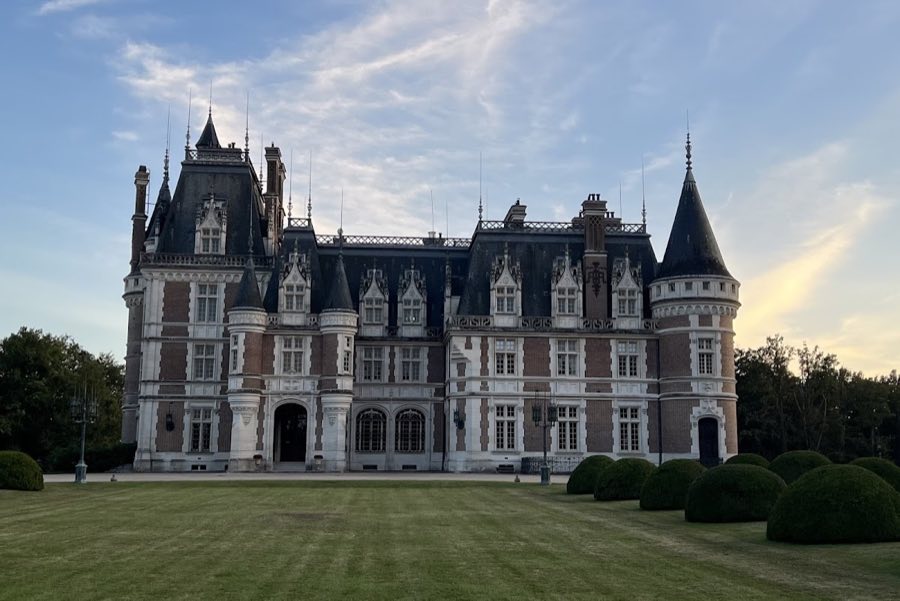
No. 40681
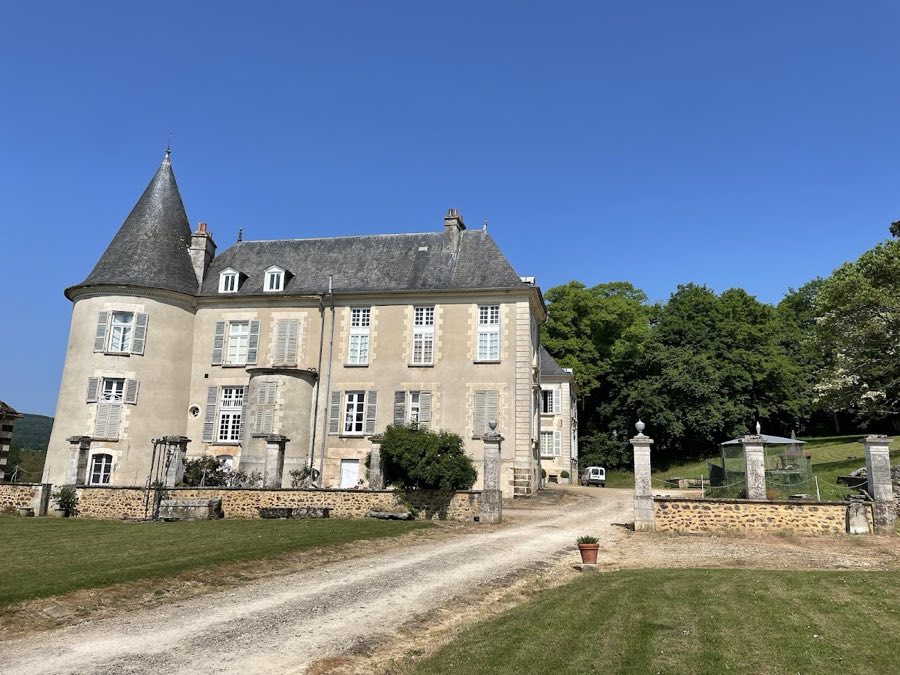
Château de Vouzeron
France
ChâteauRestored19th century
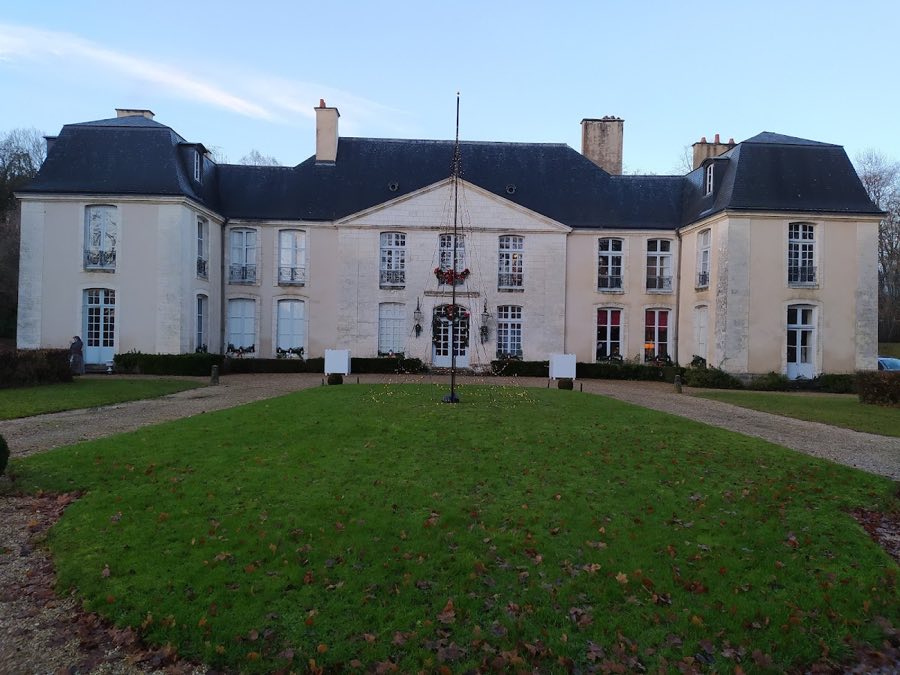
No. 38011
Château · France
No. 38011 · 47.206 N, 2.175 E
Quick summary
Château de Blosset is a château in France with origins associated with the 16th century.
See all castles in FranceThe Château de Blosset stands in the commune of Vignoux-sur-Barangeon in France, occupying a site shaped by medieval strategic and noble interests. Its origins trace back to the seigneurie of Bourdeille, first recorded in 1398. At that time, the location featured a fortified manor that guarded a crucial river crossing on the royal road linking Bourges to Paris via Orléans. This position was notable for marking the frontier between the significant lordships of Vierzon and Mehun-sur-Yèvre.
During the 16th century, the estate was held by the Fumé family, whose prominence included a family member serving as chief physician to King Charles VII. In the turbulent religious wars affecting Berry from 1560 to 1590, the Fumés aligned with the Protestant faction. Despite being occupied by Catholic League forces in September 1589, the château escaped damage that nearby properties suffered, underscoring its resilience amidst conflict.
Ownership of the estate changed in 1631 when it passed to the Fradet de Saint-Aout family, who had close ties to the Condé princes. Jean Fradet was honored with the title of Baron of Bourdeille for his loyalty, and his son Louis-Armand rose to serve as Lieutenant General of Berry. Louis-Armand died in 1675 during the Dutch wars, an event noted by the celebrated letter-writer, the marquise de Sévigné.
In 1739, the property entered the hands of Claude-Gabrielle de Champagneux, who undertook improvements to secure her daughter’s inheritance. At this time, the château comprised a large U-shaped manor with four round towers and water-filled moats, along with various agricultural structures arranged around a courtyard to the south and east.
Significant transformation occurred around 1771 under Paul de Blosset, a royal diplomat. He engaged Danish architect Christian Joseph Zuber to modernize the château, filling in the defensive moats, adding new classical-style façades and pavilions, and reconstructing the outbuildings symmetrically to enhance the main entrance. The adjacent Barangeon river was reshaped to form formal French terraces and gardens, a distinctive landscape feature in the region. Following these works, Louis XV elevated the barony of Bourdeille to the marquisate of Blosset. Paul de Blosset then abandoned his ancestral castle elsewhere in favor of this estate.
The château weathered the upheavals of the French Revolution with little harm and was recognized in the early 1800s as one of the most refined estates in the Cher department. However, it later fell into decline before being restored during the Restoration period by Count Philibert d’Estut d’Assay. In 1843, ownership passed to the Countess of Villemotte and her husband, who invested in local infrastructure, including the village church and town hall.
During the Franco-Prussian War of 1870, the château served as a military hospital. In the following decades, the property adapted to new uses, housing a pharmaceutical factory in the early 20th century. However, over time the estate’s park was reduced, a wing of the outbuildings and the chapel disappeared, and a devastating fire in 1997 destroyed most of the buildings. Since the early 2000s, private owners have been engaged in extensive restoration to return the château and its grounds to their 18th-century appearance. Recognizing its heritage value, the château and several associated features received official protection as historic monuments in 1995.
The Château de Blosset occupies what was once a defensive and residential complex laid out in a large U-shape. Originally, this manor featured four round towers positioned at each corner and was surrounded by water-filled moats, highlighting its medieval origins as a fortified site. This configuration established a strong visual and physical barrier that integrated both residential and defensive functions.
The rural courtyard adjacent to the south and east sides comprised a variety of rustic buildings arranged without a strict pattern. These outbuildings supported agricultural activities and were part of the functional landscape surrounding the main residence. Over time, particularly during the 18th-century modernization, these structures were demolished and rebuilt with symmetry to form a grand entrance avenue that enhanced the château’s monumental presence.
The major 18th-century renovation under architect Christian Joseph Zuber transformed key aspects of the estate. The moats were filled in to create a more open landscape, while new façades and forward-facing pavilions were introduced in the classical style prevalent during the reign of Louis XV. This architectural update aligned the château with contemporary tastes and diplomatic prestige.
A remarkable element of the site is the canalization of the Barangeon river, which was reshaped to support a large formal French garden. These terraced gardens are a rare example of such meticulous landscaping within the nearby Sologne region and reflect the period’s emphasis on symmetry and control over nature.
Additional architectural features that contribute to the historic ensemble include a causeway linking the lower courtyard to the château entrance, two historic bridges over water features, and an enclosing wall or fencing surrounding the property. These components together form a cohesive arrangement that underscored the estate’s status and utility.
The château complex suffered extensive damage from a fire in 1997, which destroyed much of the main buildings including the chapel and one wing of the outbuildings. Today, ongoing restoration efforts are focused on recovering the château’s appearance as it was in the 18th century, preserving surviving elements such as the façades, roofs, courtyard layout, and the integrity of the bridges and entrance causeway. Collectively, these remnants offer significant insight into the architectural evolution and historical importance of the Château de Blosset.
No. 40681
No. 89557
No. 17095
No. 52567
Comments
Comments for Château de Blosset will require a verified account before posting.
We'll send a verification link before your first comment is published.