No. 38448
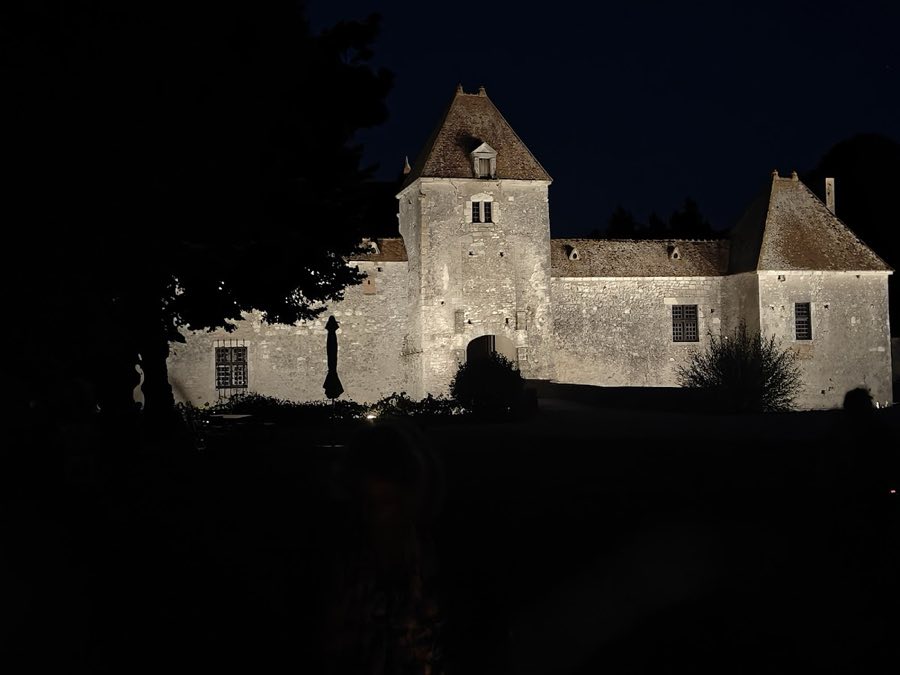
Buranlure
France
CastleRestored14th century
No. 52567
Château · France
No. 52567 · 47.325 N, 2.701 E
Quick summary
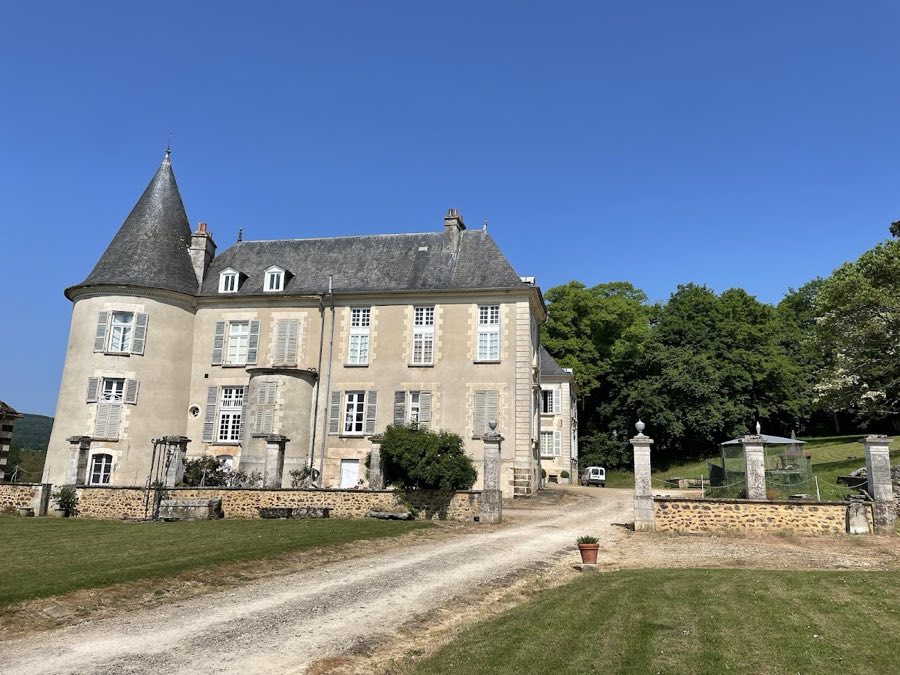
Château de Beaujeu is a château in France with origins associated with the 16th century.
See all castles in FranceThe château de Beaujeu in Sens-Beaujeu, France, began as a seat of local medieval power created by members of the House of Sully and took its present form as a large seigneurial residence built in 1566 during the 16th century, later remodeled in the neo-classical manner of the Restoration. Its story links an early feudal stronghold to later noble ownership and to a comprehensive 19th-century refurbishment that reinforced the residence’s standing in the surrounding countryside.
In the mid-11th century Eudes I of Sully established a motte (an earthen defensive mound supporting a fortification) at a place called La Motte in Sens-Beaujeu. That early fort followed feudal, Norman-inspired practices, relying on one or more palisade fences of sharpened stakes for protection. The Sully family was one of the most powerful lineages in the old province of Berry, and their presence anchored the settlement that became Sens-Beaujeu.
Toward the end of the 13th century Eudes III de Sully left the hilltop motte and set up a new castle at a site known today as Le Vieux Beaujeu in the neighbouring commune of Neuilly-en-Sancerre; the ruins of that later medieval stronghold remain visible. A younger branch of the Sully line inherited Beaujeu in subsequent generations, and the estate moved by marriage into the Rochechouart and then the Mesnil-Simon families.
In 1566 Jean du Mesnil-Simon abandoned the older fortifications and erected a substantial seigneurial house beside the Sauldre river at the foot of the Sens hill; this building is identified as the château de Beaujeu. By marriage in 1656 the property passed to Jean-François de Mesgrigny, marquis de Vendeuvre, through his union with Françoise-Henriette du Mesnil-Simon. In 1688 Louise-Françoise de Mesgrigny married Jacques-Léon Bouthillier de Chavigny, who adopted the title marquis de Beaujeu; he was the son of Léon Bouthillier, a notable minister under Louis XIII. The château remained with that family line until the upheaval of the French Revolution, the political upheaval that overthrew the traditional monarchy and transformed property relations in France, during which time ownership rested with their granddaughter Gabrielle-Pauline Bouthillier de Chavigny, comtesse d’Adhémar, a lady-in-waiting to Queen Marie-Antoinette.
In 1809 Pierre-Maurice de Pommereau, who served as treasurer-general of Finances for the Généralité of Bourges, bought the property from the comtesse d’Adhémar. His descendants are recorded as continuing to own and live in the château. Pierre-Maurice and his son Marcellin commissioned extensive embellishments, completed with interior decoration under Marcellin’s direction; Marcellin’s wife, Clémence Chabrol de Crouzol, was the daughter of Count Chabrol-Crouzol, a minister under Charles X. During the Restoration, the period marking the return of the Bourbon monarchy after Napoleon, the house received a comprehensive renovation that reused parts of the 16th-century fabric and produced a unified ensemble of exterior and interior work noted for its careful preservation.
The site presents a sequence of medieval and early modern elements arranged along the Sauldre river, reflecting its evolution from a feudal mound to a refined seigneurial residence. The principal surviving structural evidence links the 16th-century house to earlier foundations, while later rebuilding and decorative campaigns shaped the visible façades and interiors.
The medieval motte at La Motte, historically named “motte Sully” or “motte-Chapelle,” dates to the mid-11th century and was constructed as an earthen mound with defensive wooden palisades. It followed a Norman-inspired model of feudal fortification, relying on raised ground and sharpened stake fencing for defense. This early fortification was deliberately abandoned near the end of the 13th century when attention shifted to a new castle at Le Vieux Beaujeu.
The standing château originates in the construction of 1566, when Jean du Mesnil-Simon built a large seigneurial residence beside the Sauldre. Substructures from the earlier dwelling survive, including the foundations of the principal house and two towers, which demonstrate continuity between the 16th-century plan and later phases. A dovecote from the same century remains on the property; the group of buildings around that dovecote underwent substantial rebuilding at the turn of the 19th century.
Landscape and defensive elements changed with time. A late 18th-century plan records surrounding moats, which were later filled in during the major renovation programs. In the Restoration the façades and interiors were reworked in a neo-classical idiom, and the internal finishes were fully renewed while incorporating parts of the older structure. Today the ensemble presents a coherent pairing of exterior and interior work from that period, set beside the Sauldre in a notably pastoral setting.
:
,
,
,
,
No. 38448
No. 89557
No. 17095

No. 22515
Comments
Comments for Château de Beaujeu will require a verified account before posting.
We'll send a verification link before your first comment is published.