No. 70298
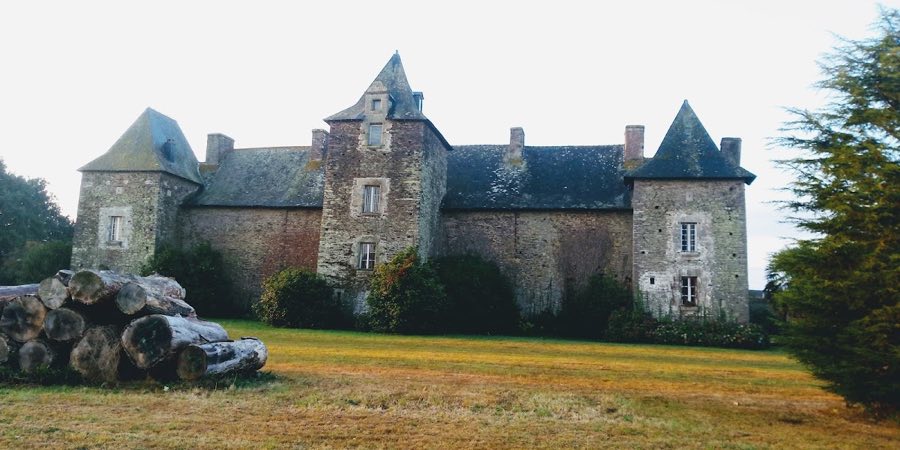
Manoir de Boyac
France
PalaceIntact9th century
No. 92253
Château · France
No. 92253 · 47.929 N, 1.938 W
For events
Château de La Chapelle-Bouëxic is marked as a château or castle venue lead. Capacity, indoor/outdoor spaces, catering rules, and accommodation options are published only after public verification.
Event types: Private events, Cultural gatherings, Filming and photography
Quick summary
Château de La Chapelle-Bouëxic is a château in France with origins associated with the 15th century.
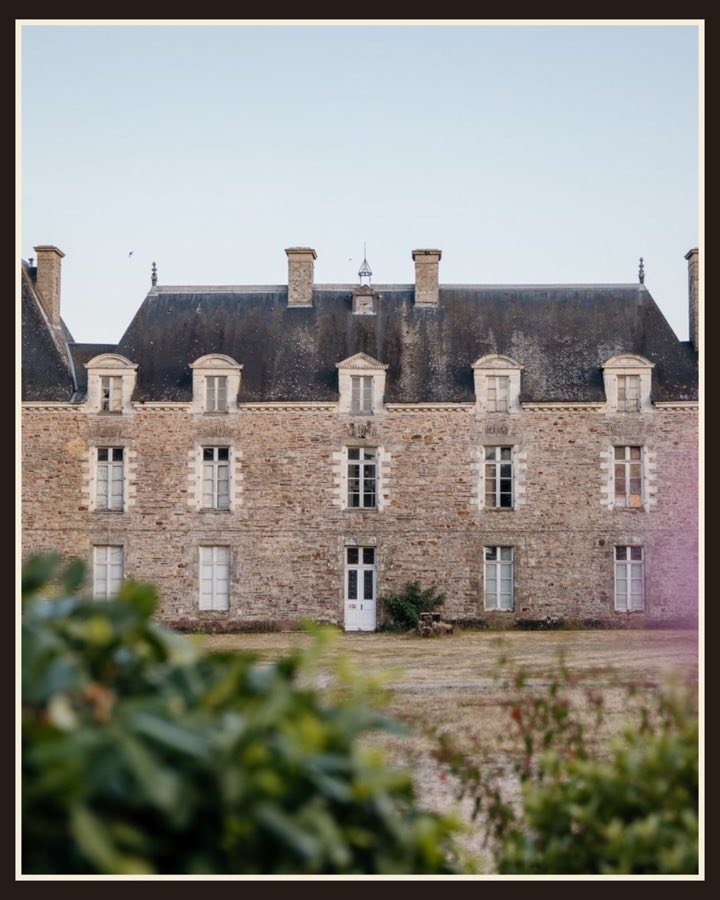
See all castles in FranceChâteau de La Chapelle-Bouëxic in La Chapelle-Bouëxic, France, is a historic country house first mentioned in surviving records from 1427, with later architectural features showing classical influence. From the late medieval period onward it served as the seat of local lordship, exercising judicial authority including the power to try serious crimes and to carry out executions. Its long occupation by regional noble families and its role in local administration made the estate a focal point in the commune across several centuries.
In the 15th and 16th centuries the property belonged to the du Tiercent family, with documentary references in 1427 and again in 1562. Ownership then passed to the du Bouëxic family, who held the house through much of the 1500s, 1600s and 1700s. During that time the château remained the centre of seigneurial rights connected to the surrounding lands and village.
On 19 January 1790 the house and its holdings suffered a violent episode linked to the French Revolution, the political upheaval that overthrew the monarchy and ended many feudal privileges. Revolutionaries pillaged the estate on that day and the seigneurial archives were destroyed by fire. The loss of those papers removed a primary set of records for the local lordship.
After the revolutionary era the château passed through several private hands. The Quesnel de la Morinière family owned it from 1806 to 1824. Later the de Menou family held the property until 1949. In the later twentieth century the estate was sold to a private individual, Bernard de Kerdréan. The Madre family acquired the house in 2017 and have since adapted parts of the site for evening interactive events, which the owners report support repair work. The state recognised the ensemble as a protected historic monument on 12 May 2015. In 2022 the owners launched a public fundraising campaign to assist with restoration. A separate Château du Bouëxic once stood at Guipry; that estate was destroyed and was described in the past as one of the area’s most important houses, a distinct site from this château.
The group of buildings is organised around a long main residential block (corps de logis, main living building) that terminates in an orangery and connects to a covered gallery. An inner courtyard sits between these ranges and contains the former stables, a carriage house and various domestic annexes. The whole complex and its immediate grounds are contained within a surrounding boundary wall, so the château and its service buildings form a contiguous, enclosed estate.
The principal house is set on a rectangular plan and is roofed in slate, a material typical for the region. The roof follows a two‑slope form that becomes pyramidal at the outer corners, producing a small tower‑like appearance at the building’s ends. A dentil moulding runs along the top of the façades, marking the junction between wall and roof. The external walls are built of rubble masonry, while the window and door surrounds are cut from pale tuffeau limestone that contrasts with locally sourced purple schist.
At attic level the façades are punctuated by classical‑style pediments in tuffeau stone; the smaller pediments are circular while the central one rises as a pyramidal composition. The upper rooms have been adapted as converted attics. A stair rises in the middle of the south façade; its form modestly recalls the horseshoe staircase at the royal Château de Fontainebleau. On the village side a gateway aligns with the parish church of Saint‑Joseph, providing direct access between the church and the house.
The grounds behind the main building include formal garden areas, a stand of mature high forest (haut futaie, a stand of tall, mature trees), a planted promenade, and a pond with axial canals and a central fountain. The southern part of the park is used for cultivated blueberry beds. The estate’s protected status and recent fundraising reflect active efforts to conserve these buildings and landscape features.
No. 70298
No. 33970

No. 45729
No. 15240
Comments
Comments for Château de La Chapelle-Bouëxic will require a verified account before posting.
We'll send a verification link before your first comment is published.