No. 56747
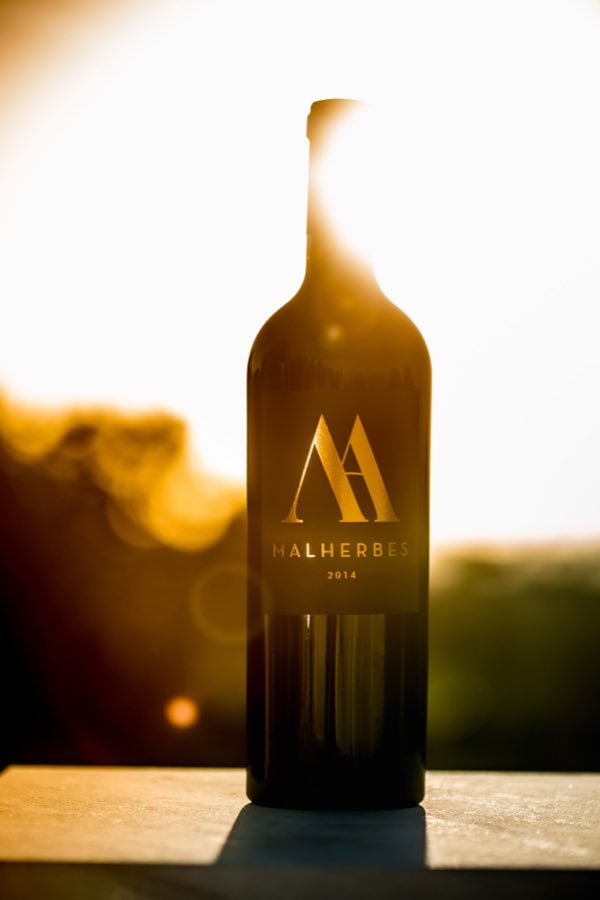
Château de Malherbes
France
ChâteauIntact14th century
No. 10270
No. 10270 · 44.924 N, 0.278 W
Quick summary
Château de la Dauphine is a château in France with origins associated with the 18th century.
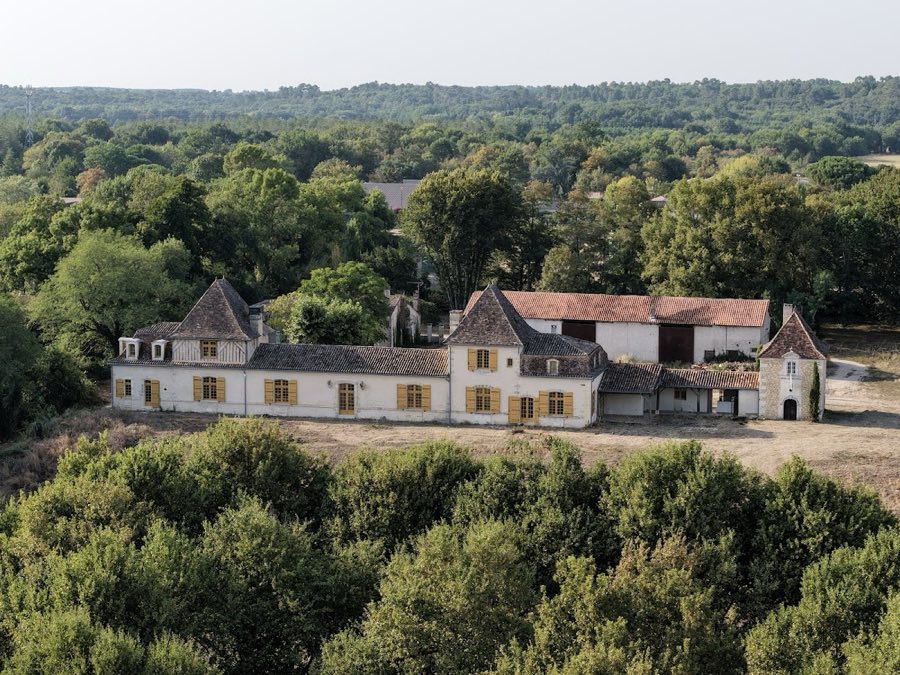
See all castles in FranceThe Château de la Dauphine stands in Fronsac, France; it was erected in the mid‑18th century within the French realm for Jean‑Baptiste De Richon.
Construction of the house took place between 1744 and 1750 for Jean‑Baptiste De Richon, who served as a lawyer at the Parliament of Paris and as the civil and criminal judge of the Duchy of Fronsac. Soon after the building was completed, Marie‑Josèphe de Saxe, who held the title of dauphine of France, spent several days at the residence. Her brief stay led to the estate acquiring the name La Dauphine that it still bears.
Ownership passed in the later 18th century to the Olliver family; an Olliver associated with the estate served as counselor to the king and as chief clerk for the finances of Guyenne. Descendants of that line, the Marcettau de Brem family, maintained control of the property through successive generations until 1985. The Moueix family then owned the estate from 1985 until 2000. In 2000 the Halley family took possession, Jean Halley being noted as a former head and cofounder of Promodès; their tenure continued until 2015. In 2015 Jean‑Claude Labrune, founder of Cegedim, acquired the property through the holding company SCB.
Beginning in 2012 the estate began converting its cultivated land to biodynamic organic agriculture, and in recent years the château has pursued a program to produce its flagship wine according to biodynamic practices.
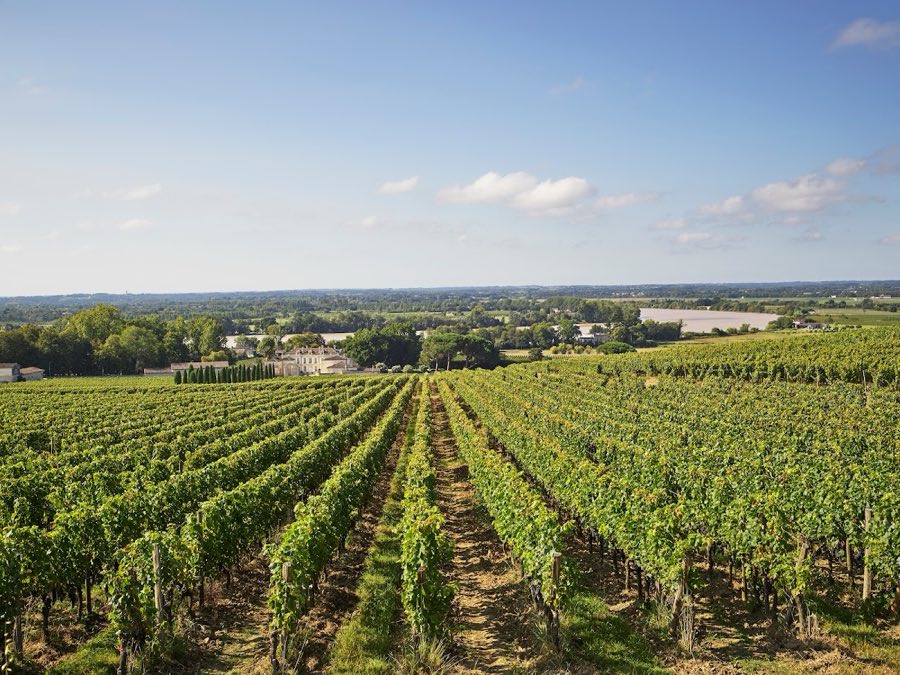
The property sits as a working wine estate set over 53 hectares of vineyard, with its cultivated land resting on a complex sequence of soils grouped into three principal families. The upper ground includes a clay‑limestone plateau underlain by a local limestone formation known as calcaire à astéries. Below that, vines occupy a shallow clay‑limestone slope resting on the molasse deposits of the Fronsadais, molasse being a softer sedimentary rock. The lowest band, the pied de côte or lower slope, consists of clay‑silty‑sand layers that lie over a clayey subsoil. These contrasting ground types are reported as fourteen distinct soil types organized into those three families.
A notable element of the winery infrastructure is a circular vat room arranged to use gravity rather than pumps in the movement of grapes and juice. This round vat house is fitted with a single mobile arm described as unique in the Bordeaux region; grapes are routed by gravity into individual vats and the moving arm enables the harvest from single parcels to be handled separately within the circular installation. Adjoining the fermentation and storage areas, the estate also contains a barrel cellar set partially below ground level, a semi‑buried space used for aging wine in barrels.
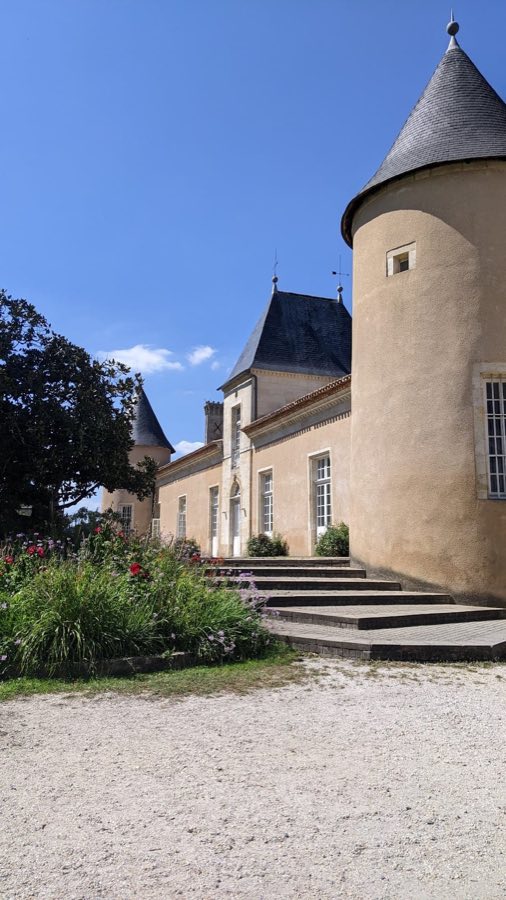
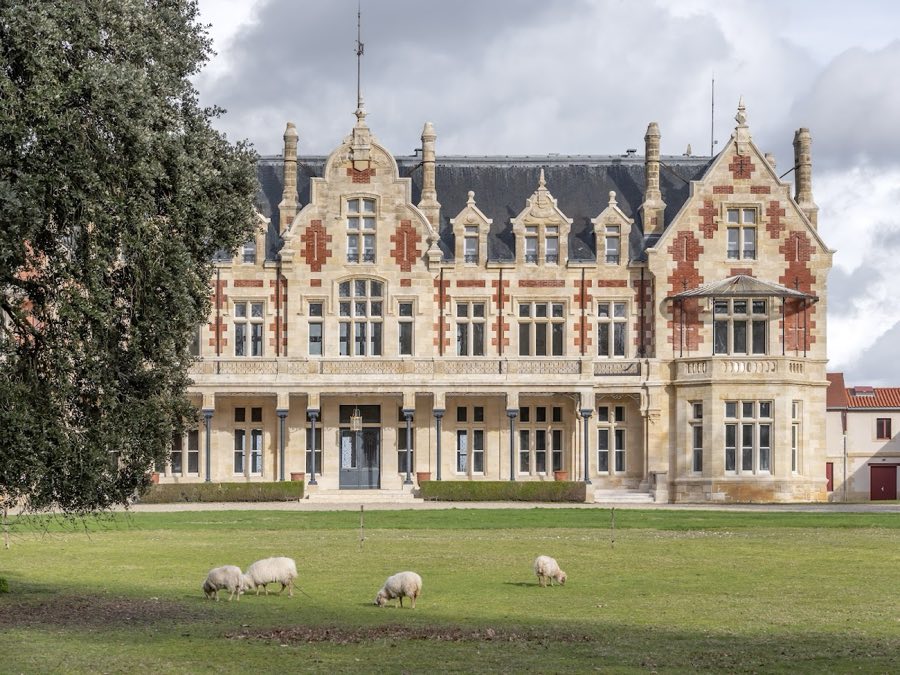
The château building itself presents a formal façade capped by a pediment that bears the coat of arms of the de Richon family. Photographs and visual records note that frontage and the armorial device on the frontispiece as standing features of the property. Regarding production on site, the estate makes two principal red wines: the château’s namesake wine composed of roughly eighty‑five percent Merlot with fifteen percent Cabernet Franc, and Delphis de La Dauphine, which is produced from pure Merlot. These elements—the vineyard extent and soils, the gravity‑managed circular vat house with its mobile arm, the semi‑sunken barrel cellar, the façade with the de Richon armorial, and the two main red wines—are the documented physical and working features of the estate.
No. 56747
No. 11852
No. 36402
No. 15458
Comments
Comments for Château de la Dauphine will require a verified account before posting.
We'll send a verification link before your first comment is published.