No. 13812
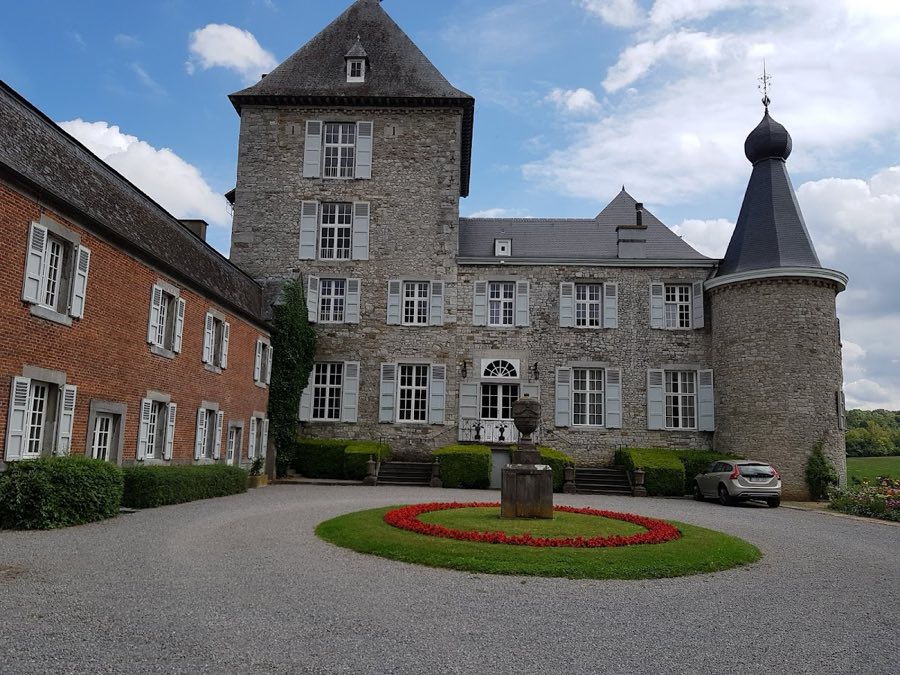
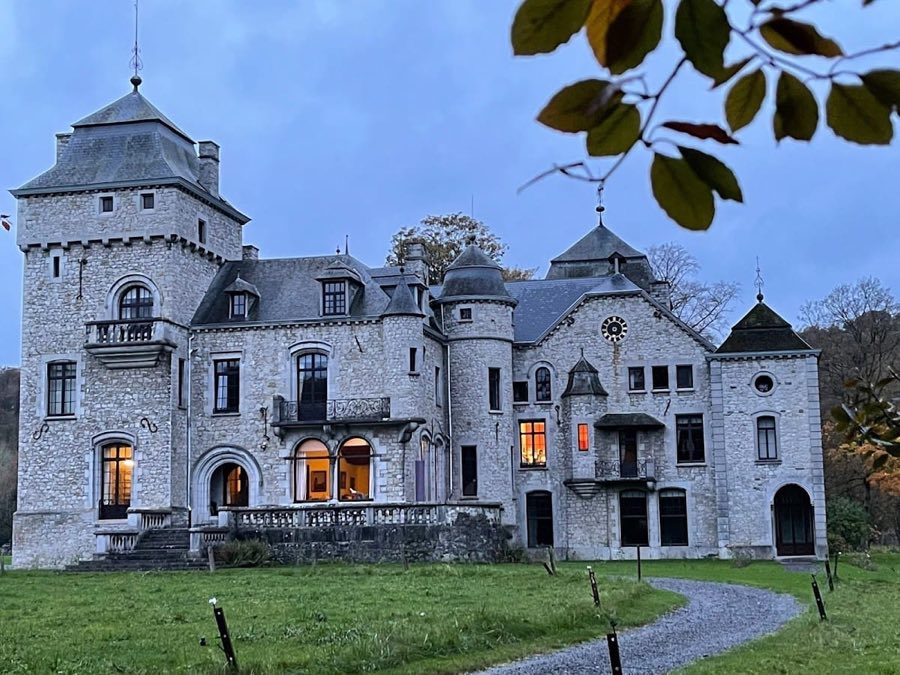
Château d'Hodoumont
Belgium
ChâteauIntact14th century
No. 53040
Château · Belgium
No. 53040 · 50.441 N, 5.287 E
For events
Château de Modave is marked as a château or castle venue lead. Capacity, indoor/outdoor spaces, catering rules, and accommodation options are published only after public verification.
Event types: Private events, Cultural gatherings, Filming and photography
Quick summary
Château de Modave is a château in Belgium with origins associated with the 13th century.
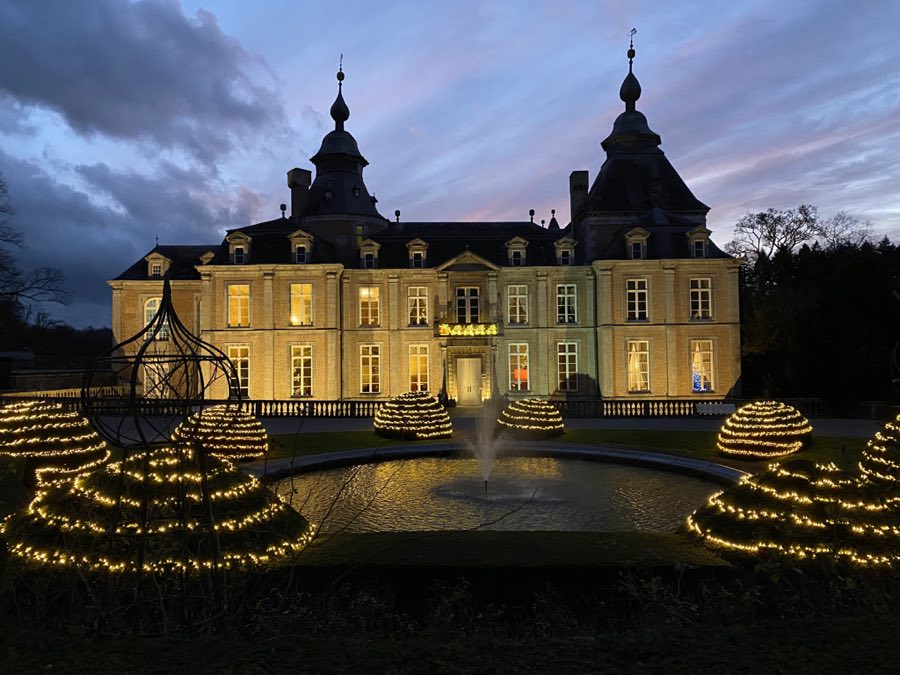
See all castles in BelgiumChâteau de Modave in Modave, Belgium, began as a medieval fortress built by local feudal lords during the 13th century. Its earliest fabric dates to that century, and the site later acquired a major 17th-century identity when the residence was rebuilt in a French high-Baroque manner associated with the early reign of Louis XIV. The position on a rocky spur above the Hoyoux valley, the long ownership by notable nobles, and an ambitious system for lifting water all contributed to the château’s regional importance from the late Middle Ages through the early modern period.
From the 1200s until the mid-1500s the estate belonged to the family of Modave. The lordship then passed by inheritance to the Saint-Fontaine family. In January 1642 the seigneury and castle changed hands in a sale to Jean de Marchin, the date recorded as either 20 January or 23 January 1642. Jean-Gaspard de Marchin undertook extensive rebuilding of the residence from about 1655, with major works beginning in 1657; some records place the principal phase between 1659 and 1667. He remodelled the house in a dignified French country style of that era, and his status at court is marked by the display of the Order of the Garter motto above the main entrance.
After the de Marchin period the château passed through a succession of high-ranking proprietors. Maximilian-Henri of Bavaria, who served as prince-bishop and elector, held it from 1682 to 1684. Cardinal Guillaume-Egon von Fürstenberg and his heirs owned the property from 1684 until 1706. By 1706 Baron Arnold de Ville was the proprietor; between 1706 and 1720 he rebuilt the estate’s water-raising machinery. Ownership then passed through Arnold de Ville’s daughter to Anne Léon, associated with the Montmorency family in the 18th century, with variations in how that branch is recorded.
During the 19th century the château moved into private hands outside the traditional nobility, passing among the Lamarche, Braconier and Van Hoegaerden families. In March 1941 the Brussels Intercommunal Water Company, known today as Vivaqua, bought the grounds to protect important water catchment areas within the park. That company has conserved and restored the building and its fittings and remains the owner. The estate has since been opened to the public on a seasonal basis and has been used for concerts and receptions.
The château occupies a compact, axial arrangement on a rocky promontory above the Hoyoux valley. The house presents a central corps de logis flanked by lateral wings, a balanced composition associated with 17th-century French country houses. A formal forecourt before the principal façade contains a central basin with water jets, and a small bridge leads over surrounding moats to the main approach, creating a carefully staged arrival sequence.
A low defensive outer wall that follows the rock’s edge gives the impression of an earlier fortified enclosure. Masonry openings were cut into that wall to provide light and access, while other elements record the site’s medieval origin. The main entrance bears the de Marchin arms and the motto of the Order of the Garter above the doorway, an archaeological and heraldic feature tied to Jean-Gaspard de Marchin’s ownership.
Interior spaces retain an exceptional group of 17th- and 18th-century finishes and furnishings. A grand guards’ hall displays a high-relief ceiling decoration showing the family tree of Jean-Gaspard de Marchin across five generations and near life-size mounted figures of the count and three other knights. Stucco ceilings attributed to Jan-Christian Hansche survive in important rooms. Named rooms include a Salon of Hercules, a large dining room that houses a Gien porcelain service of more than 1,130 pieces, a room hung with Gobelins-style tapestries, a smoking room, and distinctive bedrooms such as the baron de Montmorency’s raised alcove bed behind a balustrade. A small bath known as “le trou” is carved directly into the bedrock under the house.
The chapel was rebuilt after the French Revolution and is preserved though it is no longer used for religious services. Below the principal floors the basements contain wine cellars arranged within former dungeon spaces, where vaulted storage and cool natural conditions were employed for long-term preservation of wine.
Water-raising installations form a major technological component of the site. An early machine, erected around 1668, lifted water from the Hoyoux a vertical distance of roughly fifty metres and worked with a single driving wheel, two crank mechanisms and two groups of four pumps, completed originally with a wooden conduit. That initial installation later gave way to a reconstruction carried out between 1706 and 1720. A 19th-century pumping machine still survives; its piston was driven by a waterwheel nearly six metres in diameter and 1.80 metres wide. In 1935 that installation was recorded as delivering two litres per second up to a height of seventy metres while the wheel consumed more than six cubic metres of water per second to turn. A small electrical power plant was added in the later historic period, and today electric pumps lift water from the Hoyoux to serve the château’s needs.
No. 13812
No. 83277
No. 32182
No. 70282
Comments
Comments for Château de Modave will require a verified account before posting.
We'll send a verification link before your first comment is published.