No. 41725
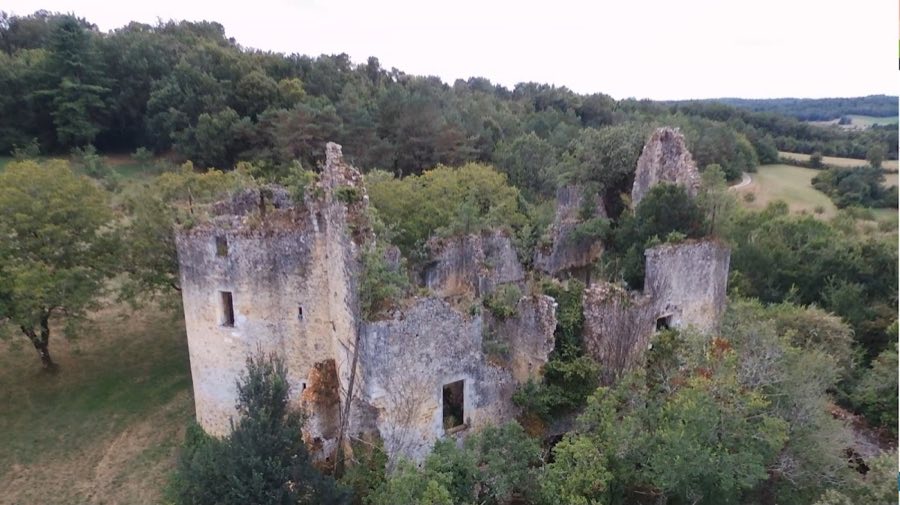
Château de la Renaudie
France
ChâteauRuin15th century
No. 57540
No. 57540 · 45.588 N, 1.018 E
Quick summary
Château de Vieillecour is a château in France with origins associated with the 12th century.
See all castles in FranceThe Château de Vieillecour stands near the village of Saint-Pierre-de-Frugie in France. It was originally constructed during the 12th century by the medieval builders of that era.
The site of the château carries an important religious association, as it may be linked to the birthplace of Saint Vaast, a notable Christian figure. In 1199, the château is historically connected to Richard the Lionheart, an English king and warrior. After being seriously injured during the siege of the nearby fortress at Châlus, Richard reportedly sought shelter within the château’s walls six days before his death.
During the turbulent period of the Hundred Years’ War between England and France, the château played a military role. In 1372, Bertrand Du Guesclin, a prominent French commander, stationed a garrison there for several weeks shortly after reclaiming Saint-Pierre-de-Frugie from English control.
From the 15th to the 17th century, the château underwent significant transformation. Originally designed primarily for defense, it was gradually remodeled into a more comfortable residence intended for leisure rather than warfare. Throughout this time, ownership of the estate frequently changed hands. In 1576, Jehan de Maulmont sold the property to François de Laige. Later, in 1598, it was acquired by Louis de Stuard de Caussade, followed by Jean du Glenest in 1650 and Jean Mosnier de Planeau in 1665.
In the 20th century, the château came into the possession of Marie Sohier (1885–1963), who was the granddaughter of a local prefect named Adrien Sohier. Later, ownership passed to Armand Lejeune (1918–2006), an architect who presumably contributed to its preservation. Recognizing its historical importance, French authorities officially designated the château as a protected monument historique on October 4, 1946.
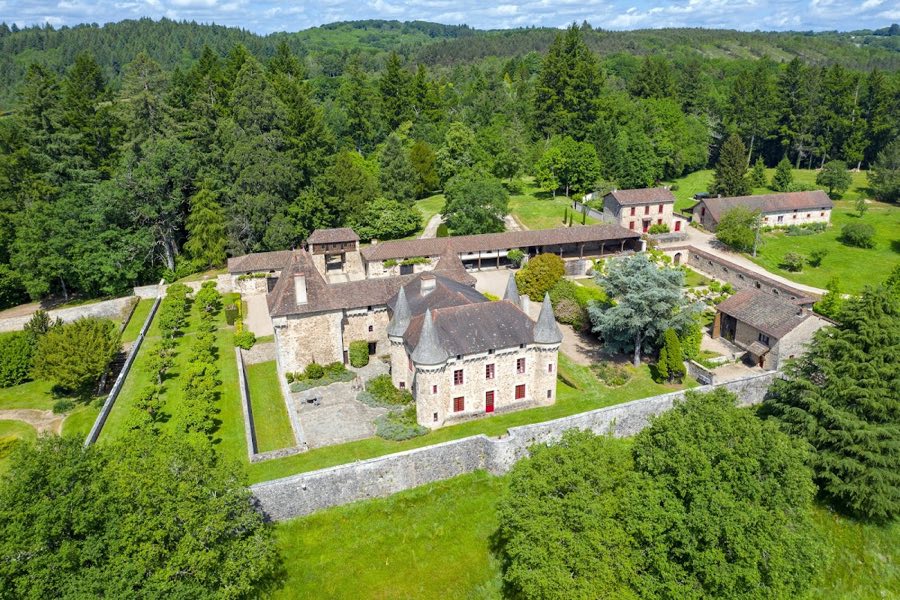
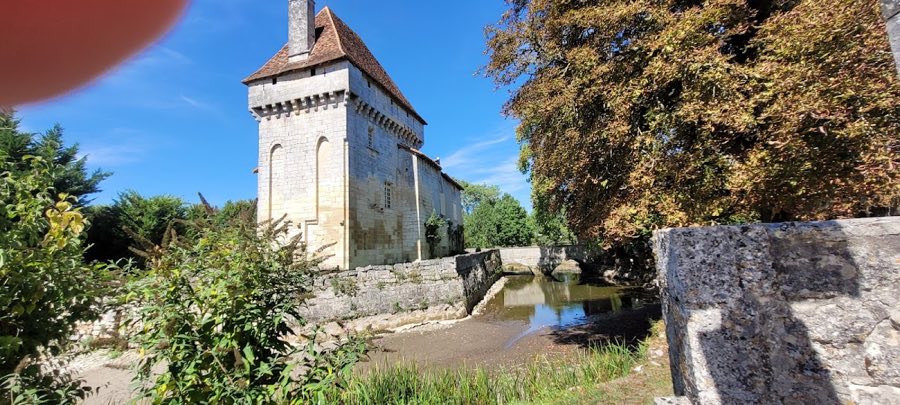
The Château de Vieillecour lies about two kilometers northeast of Saint-Pierre-de-Frugie, close to a small stream called the Valouse. Its design forms an incomplete quadrilateral courtyard, bordered by dry moats on two sides—a defensive feature typical of medieval fortifications. The presence of moats, although dry, reflects measures taken to protect the château from attack.
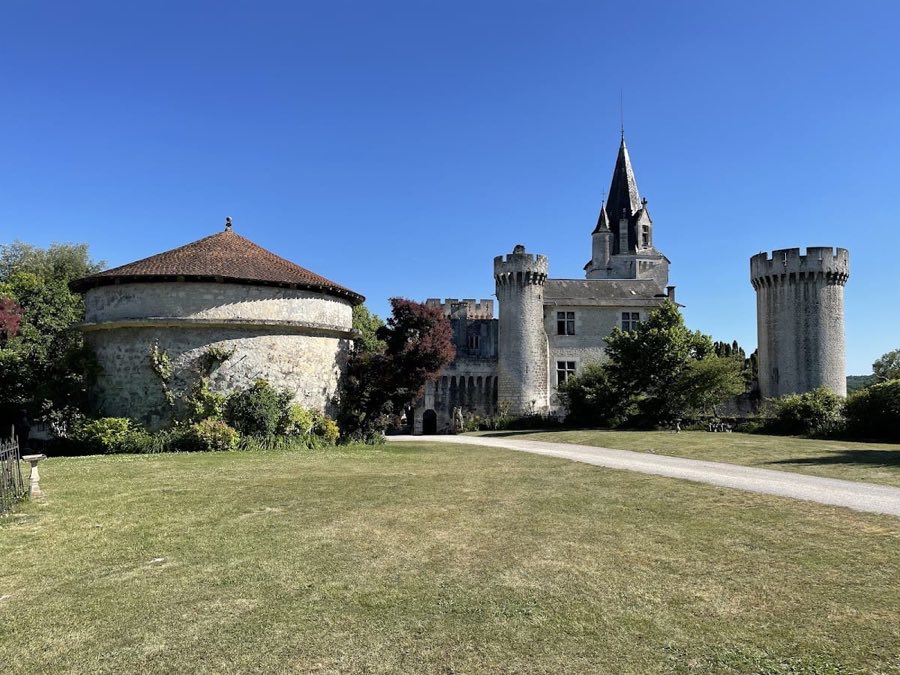
Surrounding the enclosure are six towers, five of which are circular while one is square in shape. These towers date from the château’s original defensive phase and retain their machicolations—openings in the floors of the towers or walls that allowed defenders to drop objects or pour substances on attackers below. This architectural detail highlights the château’s initial military purpose.
The main residential structure dates from the medieval period and features four round towers integrated into its rectangular plan. Besides this core building, there is a separate round tower and the distinctive square tower positioned nearby, both contributing to the defensive perimeter and overall layout.
Today, the château remains under private ownership and is preserved as a historic monument. Its key defensive elements, such as the towers with machicolations and the dry moats, survive largely intact, offering tangible evidence of its original fortress character as well as later adaptations into a residential estate.
No. 41725
No. 91005
No. 37660
No. 73679
Comments
Comments for Château de Vieillecour will require a verified account before posting.
We'll send a verification link before your first comment is published.