No. 62850
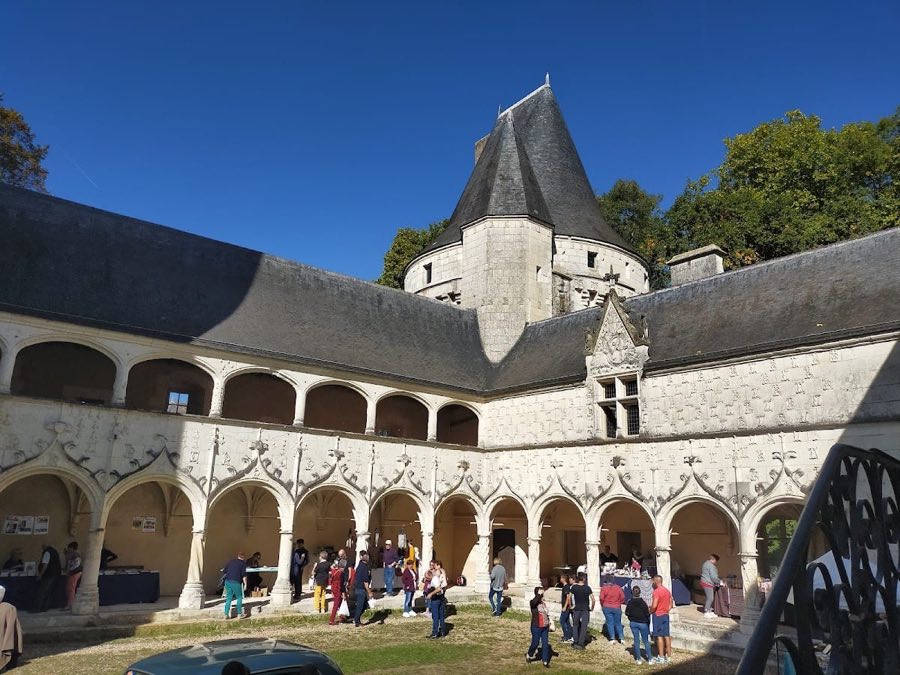
Château d'Argy
France
ChâteauRuin11th century
No. 97113
No. 97113 · 46.721 N, 1.174 E
Quick summary
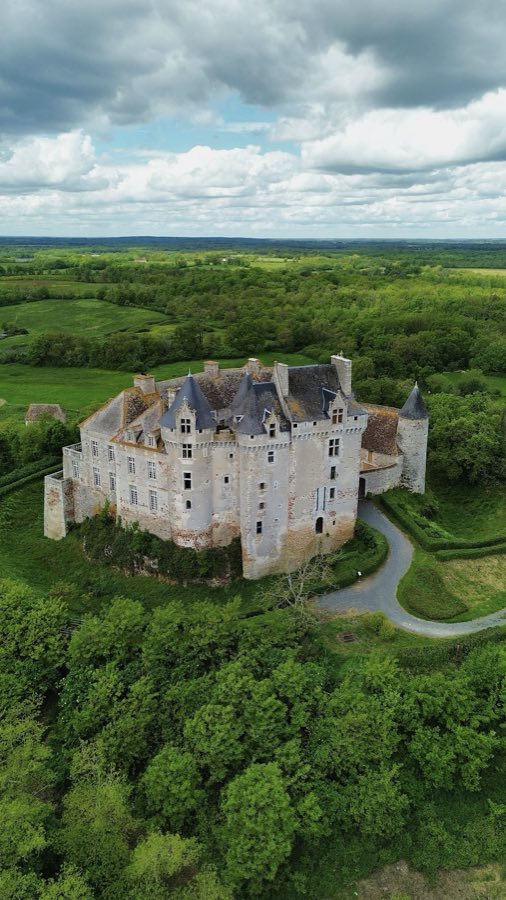
Château du Bouchet is a château in France with origins associated with the 12th century.
See all castles in FranceChâteau du Bouchet stands in Le Bouchet, France, established by medieval French feudal lords. Excavations in 1921 revealed a Gallo-Roman chamber near the castle, indicating occupation at the site before the medieval period.
Documentary records place a fortified residence here from the 12th century, when the estate belonged to the Sénebaud family. Guy Sénebaud is named among the earliest identified owners and was a companion of King Philip Augustus. His son Aimery is recorded as joining Saint Louis on the Seventh Crusade.
From the 14th century, during the Hundred Years’ War, control passed to Pierre de Naillac of Gargilesse. After his death around 1360 the property transferred to his widow Héliotte de Prie-Buzançais and then moved through several hands, including Artaud d’Ussel and English partisans such as Gautier Mellot and Jannequin Durant and members of Durant’s household. Around 1370 Pierre d’Oradour captured the stronghold from English control, and King Charles V confirmed this possession in March 1371.
The d’Oradour family retained the site until 1451, when Marie d’Oradour married Geoffroy Taveau and the estate passed by marriage to the Taveau family of Morthemer de Lussac. A legal entry of 1447 records that Louis d’Oradour, called Sandebaud, suffered from leprosy, that his wife Jeanne de Maillé sought refuge with her uncle Geoffroy Taveau, and that Louis died in 1449; Jeanne later married Guy Frotier, lord of La Messelière. Geoffroy Taveau and Marie d’Oradour conveyed the estate to their descendants.
From 1519 the château belonged to the Rochechouart de Mortemart family. Members of that house included Gabriel de Rochechouart, born in 1600 and later created the first duke of Mortemart. Religious warfare affected the area in 1569 when the Protestant commander Wolfgang of Bavaria–Deux-Ponts plundered Catholic possessions nearby. In the 17th century the Rochechouarts removed the south-west portion of the medieval fortress and replaced it with a country residence.
The French Revolution changed ownership when the duke Victurnien de Mortemart emigrated in 1789 and revolutionary authorities seized the property. In 1796 Pierre Huard de La Vignauderie purchased the château with the intention of restoring it to the returning duke, who resumed possession in 1802. In March 1808 the duke sold the estate to Victor Hérault de la Véronne, mayor of Rosnay. That family line continued to occupy the house into the twenty-first century. In 1960 the small salon fireplace and the medallion above it were placed under official historic protection by arrêté of 4 January. The château is also listed in the national cultural inventory. In 2018 the estate passed to the Durand family.
The château occupies the summit of a red sandstone mound north of the Étang de la Mer Rouge de Douadic, within the Brenne. Buildings close together form a continuous ring around a central courtyard. Construction visible today reflects work carried out from the 14th through the 17th centuries, with the complex set within surrounding defensive moats.
The principal dwelling block and two towers to the right of the main approach date to the 13th century. Those towers, one used historically as a dovecote and the other as a prison tower, remain joined by a curtain wall that carries a wall-walk. A substantial keep stands to the left of the entrance and belongs to the 14th century phase. A smaller keep, known as the English keep, was erected by English forces during the later stages of the Hundred Years’ War in the 15th century.
Access to the interior was once controlled by a single bridge that could be raised for foot and mounted traffic, and a few traces of that drawbridge are still visible. Within the enclosed courtyard there are courses of projecting stones which supported timber galleries, and the doorways that opened onto those galleries have since been closed. The south-west quarter of the castle was demolished in the 17th century to make way for a residential block; remnants of that demolition are observable in the courtyard beside the English keep.
Seventeenth-century additions include two wings expressed in the architectural manner of that century, linked to the older medieval wall and incorporating a covered gallery and an elevated terrace that faces the Étang de la Mer Rouge and the surrounding Brenne landscape. The small salon contains an ornate fireplace capped by a medallion, and both elements were officially protected in the 1960 arrêté. The Gallo-Roman room found during the 1921 excavations lies close to the château and confirms an earlier phase of human presence on the site.
No. 62850
No. 96610
No. 18706
No. 94283
Comments
Comments for Château du Bouchet will require a verified account before posting.
We'll send a verification link before your first comment is published.