No. 71514
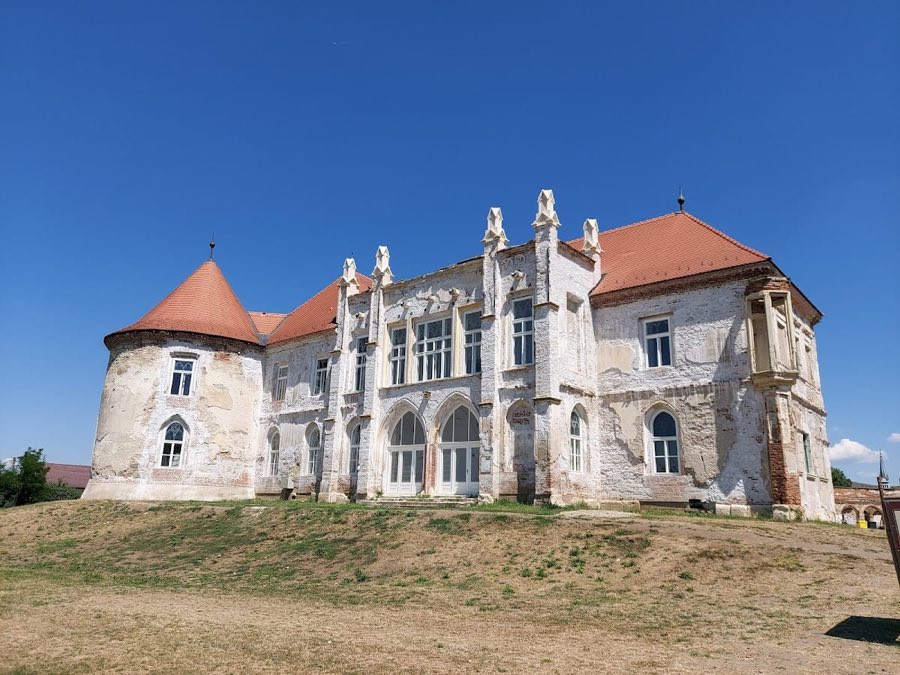
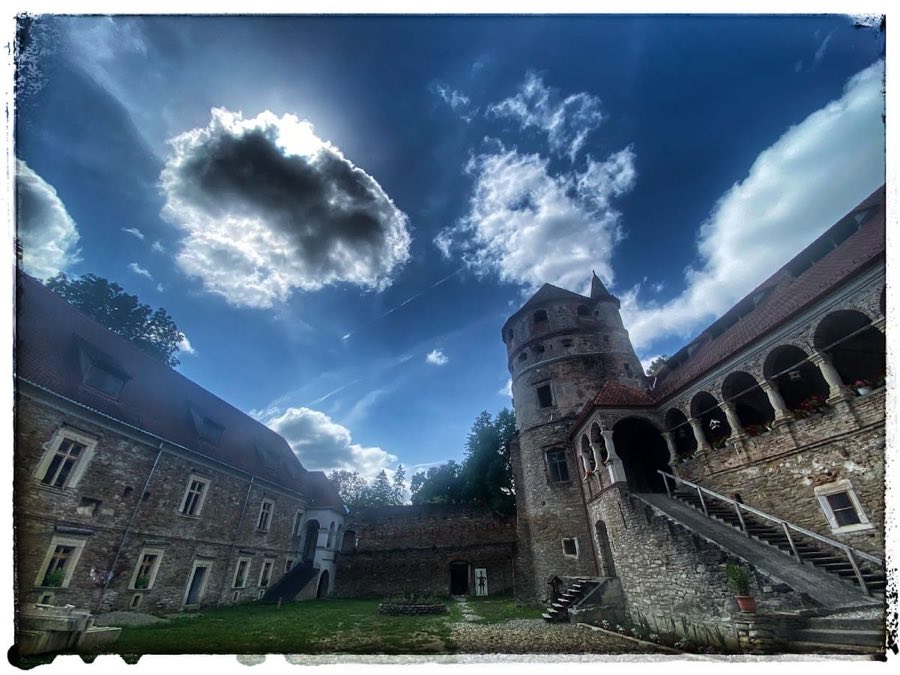
Bonțida Bánffy Castle
Romania
CastleRestored14th century
No. 80736
Palace · Romania
No. 80736 · 46.771 N, 23.590 E
Quick summary
Cluj-Napoca Bánffy Palace is a palace in Romania with origins associated with the 18th century.
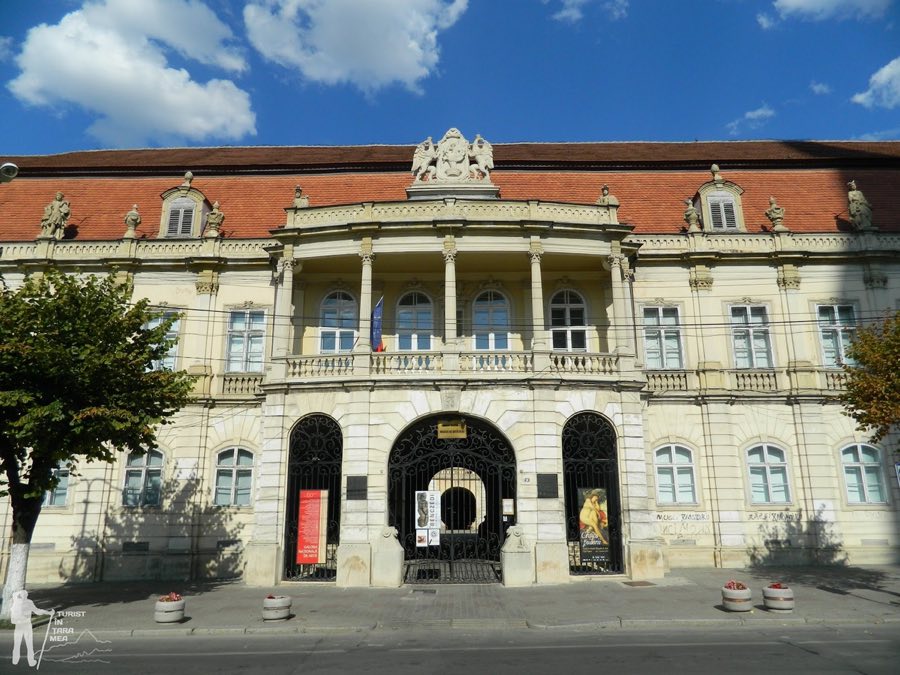
See all castles in RomaniaCluj-Napoca Bánffy Palace in Cluj-Napoca, Romania is a late 18th-century Baroque urban palace built for the Bánffy family during Habsburg-era Transylvania. Erected in the last decades of the eighteenth century, the building served as the principal city residence of an important noble household and hosted imperial and cultural guests, giving it a prominent role in the political and social life of the region.
Construction began in the 1770s and was carried out across the late 18th century, with one account dating work to 1774–1775 and another extending construction to 1785. The completed house became the property of Count György Bánffy (1746–1822), who later served as governor of Transylvania from 1787 until 1822. The original building expense is recorded as 40,000 Austro-Hungarian gulden.
During the 19th century the palace received distinguished visitors. Emperor Francis II of the Holy Roman Empire, known as Francis I of Austria, and his wife Caroline Augusta stayed in the palace from 18 to 27 August 1817. Emperor Franz Joseph I visited on 2–4 August 1852 and again on 22–24 September 1887. The composer Franz Liszt stayed at the palace in 1879. The house and the family’s Răscruci castle also appear in wartime recollections written by Florence Tarring, an English governess who worked for a branch of the Bánffy family during the First World War, 1914–1919.
After the Second World War the palace remained in Bánffy ownership until expropriation by the communist authorities in 1949–1950, when the family relocated to a house on the town’s outskirts. Following nationalization, parts of the building were assigned to a company named Gazind while the larger portion passed to the municipal (People’s) Council. In February 1951 the city council cleared the palace to establish an art museum; conservation work was completed in the summer of 1954 and the restored museum opened on 30 December 1965. Other accounts record the palace becoming the Museum of Arts in 1956, at which time a major restoration began. A further restoration campaign began in 2005 and had not been finished at the time it was reported. An interior cinema that occupied the courtyard was removed in 1974.
The palace presents a rectangular, two-storey Baroque block arranged around a central courtyard (cour d’honneur, meaning a central ceremonial courtyard). The building footprint measures about 66 by 48 metres, enclosing an inner court roughly 26 by 26 metres. Side wings are laid out as a single line of rooms, while the front and rear ranges include two rows of rooms, producing a formal, hierarchical plan around the open court.
The courtyard is ringed by upper-level covered walkways, or loggias, supported by columns whose capitals bear the supporting loads of stacked gallery levels. These columns and two-tiered galleries open inward onto the courtyard and provide circulation and a theatrical setting for arrivals at the principal entrance. The main façade is centered on a ceremonial gate topped by a balcony with colonnades; the central projecting section contains the entry and, above it, a loggia articulated by seven pillars.
Figural sculpture and heraldry articulate the exterior decoration. Statues representing Mars, Minerva, Apollo, Diana, Hercules and Perseus adorn the façade, while the Bánffy family coat of arms, flanked by gryphons and recorded without a crown, surmounts the central composition. The cornice and overall decorative scheme combine mythological motifs with alternating urns and figures drawn from classical Roman and Greek tradition.
The palace occupies a principal position on Union Square, the city’s largest plaza, and a stone inscription at the balcony level commemorating the 1817 imperial visit is reported as still visible. The courtyard had been altered in the 20th century by the insertion of a cinema, which was later demolished in 1974. Conservation and restoration interventions took place in the 1950s as the building was prepared to house an art museum, and a later restoration effort began in 2005 and remained unfinished at the time it was noted.
No. 71514
No. 99072
No. 83365
No. 52643
Comments
Comments for Cluj-Napoca Bánffy Palace will require a verified account before posting.
We'll send a verification link before your first comment is published.