No. 56678
Middachten
Netherlands
CastleRestored12th century
No. 31564
Castle · Netherlands
No. 31564 · 51.894 N, 5.999 E
For rent
Doornenburg Castle is marked for bookable castle accommodation. Nightly pricing, sleeps count, stay rules, and amenities are displayed only when public operator data is available.
Rental type: Hotel / bookable stay, Short-stay rental
Short-term availability: Bookable accommodation signal
For events
Doornenburg Castle is marked as a château or castle venue lead. Capacity, indoor/outdoor spaces, catering rules, and accommodation options are published only after public verification.
Event types: Weddings, Private events, Cultural gatherings, Filming and photography
Ceremony spaces: Ceremony setting to verify
Accommodation: Accommodation signal present
Quick summary
Doornenburg Castle is a castle in Netherlands with origins associated with the 14th century.
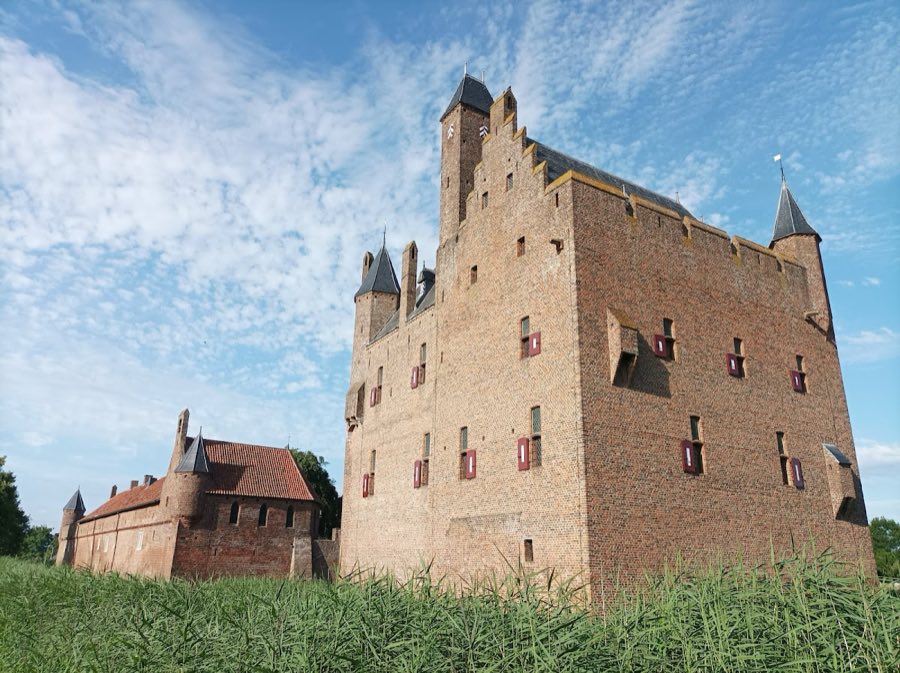
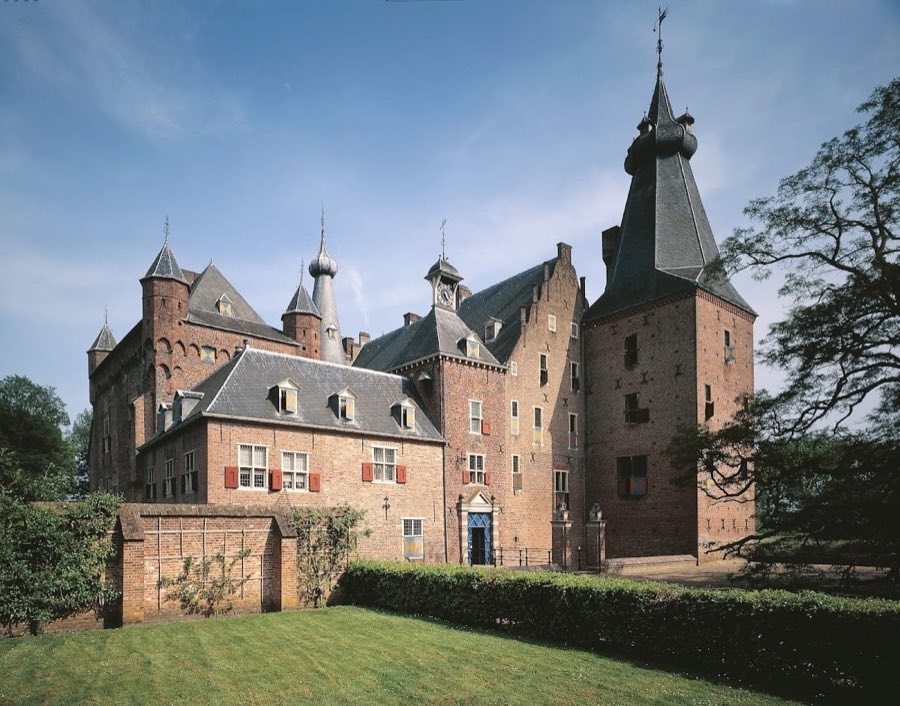
See all castles in NetherlandsDoornenburg Castle in Doornenburg, Netherlands, is a medieval water castle whose surviving plan and main structures were shaped in the fourteenth and fifteenth centuries. The site grew from an early fortified residence into a substantial brick stronghold set in moats supplied by the river Linge, and it later became notable as one of the largest and most intact water castles in the country. Over many centuries the complex served as a noble residence, a farm centre and a defensive site, giving it a continuous local presence from the Middle Ages into the modern era.
The earliest occupation recorded on the site was a fortified house in the ninth century. During the thirteenth century a modest stone castle replaced that early dwelling. Work on the core buildings that define what visitors see today began in the 1300s and was finished during the 1400s, a period that produced the square, brick-built citadel and the separate enclosed outer courtyard that provided living space, a chapel and agricultural buildings.
A fortified outer courtyard was added in the fifteenth century and came to include domestic chambers, a chapel and an attached farmstead; the presence of a working farm inside this courtyard has been described as unusual for Dutch castles. The complex remained in private hands through the early modern period and served as a family residence into the nineteenth century. By the mid-1800s parts of the site had fallen into neglect, and some buildings were used for storage or were left empty.
Ownership passed through many hands over the centuries, beginning with named medieval proprietors such as Willem van Doornick senior, recorded to 1313, and continuing in a succession of private owners until the twentieth century. In 1936 the Stichting tot Behoud van den Doornenburg, the Foundation for the Preservation of Doornenburg, was established and took ownership of the property. The foundation launched a restoration programme in 1937 and carried out work into the early 1940s; the restoration had been planned to reopen the castle in 1941, but the outbreak and course of the Second World War prevented that opening.
Near the end of World War II the castle sustained catastrophic damage and was almost completely destroyed. For decades this destruction was attributed to explosives set by retreating German troops, but later evidence showed that a British bombing raid struck the site in March 1945. Reconstruction took place between 1947 and 1968, during which the moats were cleaned and repaired and the main buildings were rebuilt. The restored complex reopened in 1968. Since then the site has occasionally served as a setting for film and television, including the 1968 Dutch television series Floris, where it stood in for a medieval stronghold, and the 2019 children’s film Waar is het grote boek van Sinterklaas?. The castle is recorded under monument number 8942 with the national cultural heritage agency. In its present arrangement the outer courtyard accommodates a hotel, a café with an open terrace and a restaurant, while the principal building is used for weddings, ceremonies and seminars.
The castle occupies two rectangular artificial islands separated by wide water-filled moats supplied from the river Linge. The smaller, southern island is entirely taken up by the square main building, commonly called the citadel, while the larger, northern island contains the fortified outer courtyard. A narrow wooden bridge provides the only direct connection between the two islands, and the islands sit within broad circulation moats that were restored during the post-war rebuilding.
The citadel is built of brick and presents a compact square footprint on its island. Each corner is marked by a small turret capped with a conical roof, and the upper wallline is finished with battlements that recreate the fifteenth-century appearance. Windows are relatively narrow and evoke the vertical slits once used for defence, giving the towered block a distinctly medieval aspect. The main building was rebuilt after wartime destruction and stands today in the restored form completed in 1968.
The fortified outer courtyard, hereafter called the outer bailey, is surrounded by its own brick perimeter wall and retains several towers along that enclosure. Two round towers were placed at the northern side to guard the approach and the drawbridge there. Within this enclosed space are domestic rooms, a chapel and an agricultural complex including a barn; a keep (donjon, or principal defensive tower) and a chapel are attested in descriptions and images of the site. A working farm located inside the outer courtyard was a notable feature for a Dutch castle.
Access across the moats was controlled by two lifting bridges that spanned the surrounding water. Entry to the citadel could only be made from the outer courtyard, reinforcing the staged defensive arrangement. The moats themselves are fed from the river Linge and were cleaned and restored as part of the post-war reconstruction programme. Today the rebuilt masonry, repaired towers and cleared waterways present a largely restored ensemble that preserves the island arrangement, the bridge links and the principal defensive and domestic structures.
No. 56678
No. 38604
No. 66783
No. 55308
Comments
Comments for Doornenburg Castle will require a verified account before posting.
We'll send a verification link before your first comment is published.