No. 78845
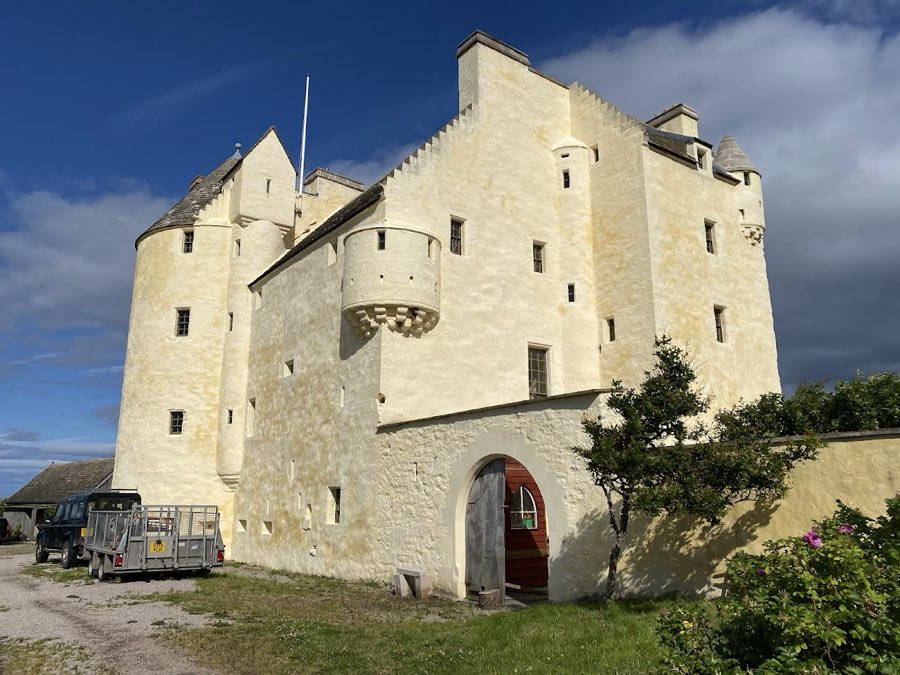
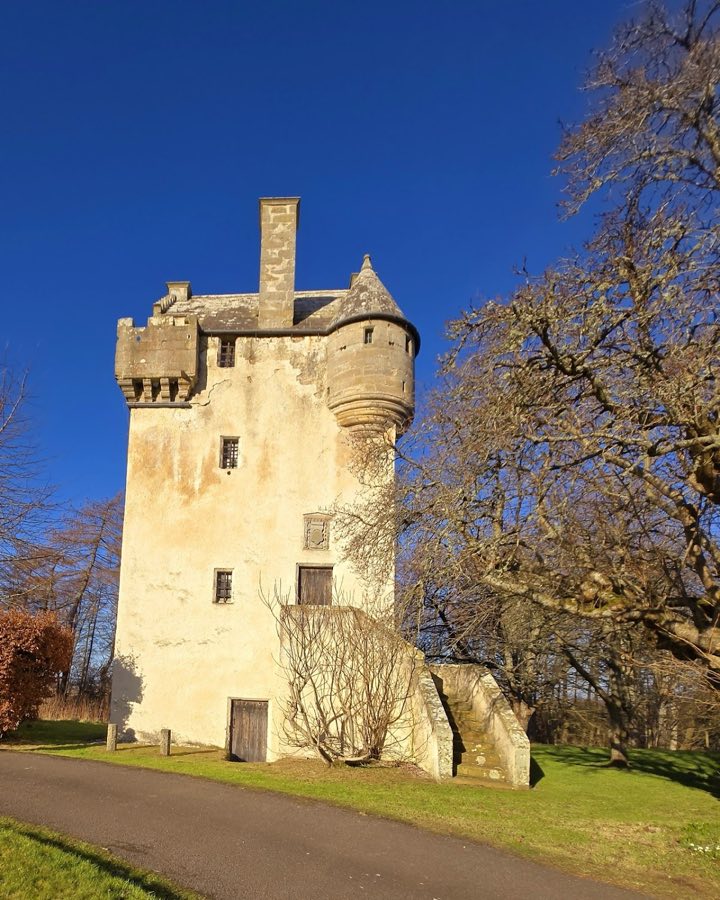
Ballone Castle
United Kingdom
Tower houseRuin16th century
No. 38318
Castle · United Kingdom
No. 38318 · 57.880 N, 4.030 W
For rent
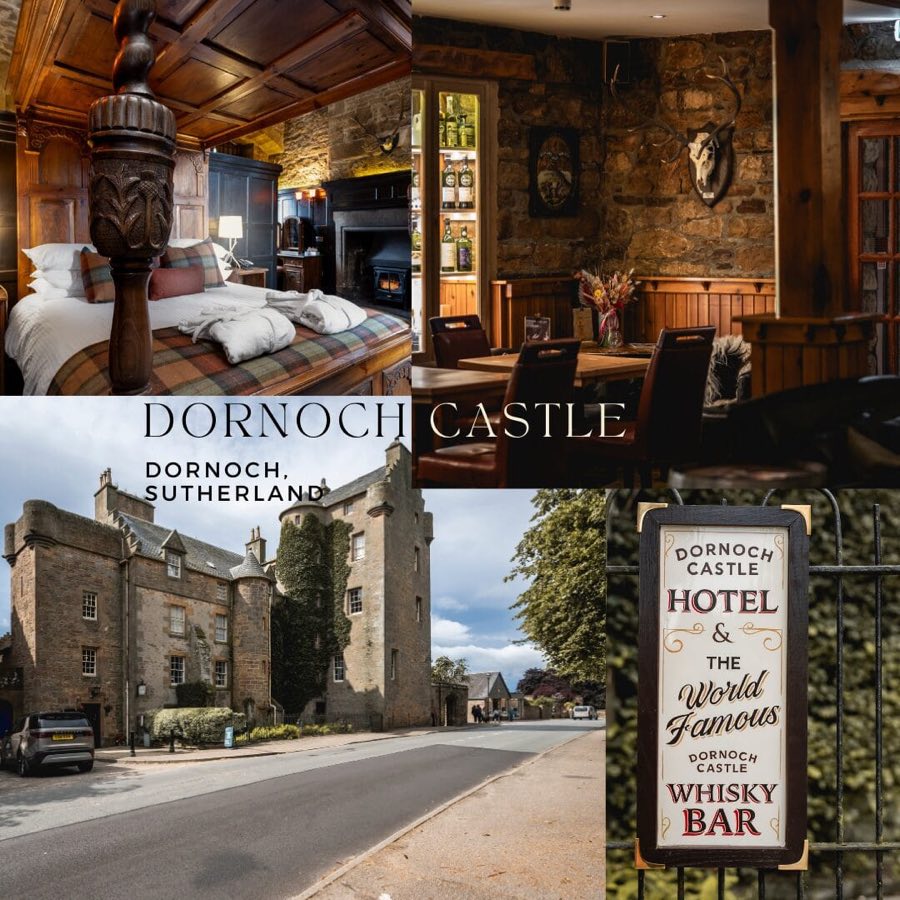
Dornoch Castle is marked for bookable castle accommodation. Nightly pricing, sleeps count, stay rules, and amenities are displayed only when public operator data is available.
Rental type: Hotel / bookable stay, Short-stay rental
Short-term availability: Bookable accommodation signal
Quick summary
Dornoch Castle is a castle in United Kingdom with origins associated with the 18th century.
See all castles in United KingdomDornoch Castle is situated in the town of Dornoch in Scotland and was originally built by the medieval Scottish Church around the year 1500. It served as the residence for the bishops of Caithness, reflecting its origins in the ecclesiastical authority of the region.
In 1557, the castle changed hands when Bishop Robert Stewart transferred ownership to John Gordon, the 11th Earl of Sutherland. This marked a shift from its religious function toward noble stewardship. However, the castle suffered serious damage in 1570 during a violent conflict between the Mackay and Murray clans, when it was deliberately set on fire. Following this attack, the structure was restored, and notably, the upper part of the tower was added during the rebuilding phase. This upper section included a spiral staircase, which later provided access to a courtroom utilized in the early 1800s.
Throughout the 18th century, the castle’s condition declined until restoration work was carried out between 1813 and 1814. After repairs, it served civic purposes as both a school and a prison. Further transformation took place in 1859–1860, when architect William Fowler undertook extensive remodeling. These changes prepared the castle for its role as a courthouse and as the sheriff’s headquarters for the Sutherland area.
Around 1880, the castle underwent additional modifications. The south-west block was raised in height and a three-storey tower was added on the eastern side. Following these alterations, the building became a hunting lodge that accommodated visiting sportsmen, reflecting its adaptation toward private leisure use.
In the 20th century, Dornoch Castle was sold to a private developer in 1922 and later converted into a hotel in 1947. As of 2021, it operates as a family-run hotel offering 24 guest rooms, including suites and garden rooms added during the 1970s. The castle also holds the status of a category B listed building, recognizing its regional architectural and historical importance. Local tradition tells of a ghost haunting the castle, believed to be Andrew McCornish, a 17th-century covenanter who was executed for stealing sheep.
Dornoch Castle, located opposite the town’s cathedral, presents a multi-phased layout reflecting its long history of construction and reuse. Its earliest known fabric dates to around 1500, originally built to house bishops of Caithness. The castle’s defining vertical element, a tower with a spiral staircase, was added during the post-1570 restoration following the fire caused by clan conflicts. This staircase historically led to an early 19th-century courtroom, indicating an internal division adapted for legal proceedings during the castle’s period as a courthouse.
By the late 19th century, the south-western block of the castle was heightened, and a new three-storey tower was built on the eastern side, which expanded the castle’s footprint and possibly reflected its new function as a hunting lodge. The materials and decorative details used in these phases are not specifically recorded, but the structural changes exhibit a pattern of adaptation from ecclesiastical residence to civic building and, eventually, private leisure use.
The castle’s present form contains 24 guest rooms, incorporating suites and garden rooms installed in the 1970s. These additions represent modern interventions within the historic fabric of the building. The castle’s designation as a category B listed building confirms its preservation and protection due to its regional architectural and historical significance.
Local legends enhance the castle’s character, especially the reputed haunting by Andrew McCornish, whose historical execution as a covenanter links the building to Scotland’s religious and social history of the 17th century. This tale remains part of the cultural identity surrounding the castle, although it relates to individuals rather than to the structure’s physical features.
No. 78845
No. 33487
No. 31692
No. 95235
Comments
Comments for Dornoch Castle will require a verified account before posting.
We'll send a verification link before your first comment is published.