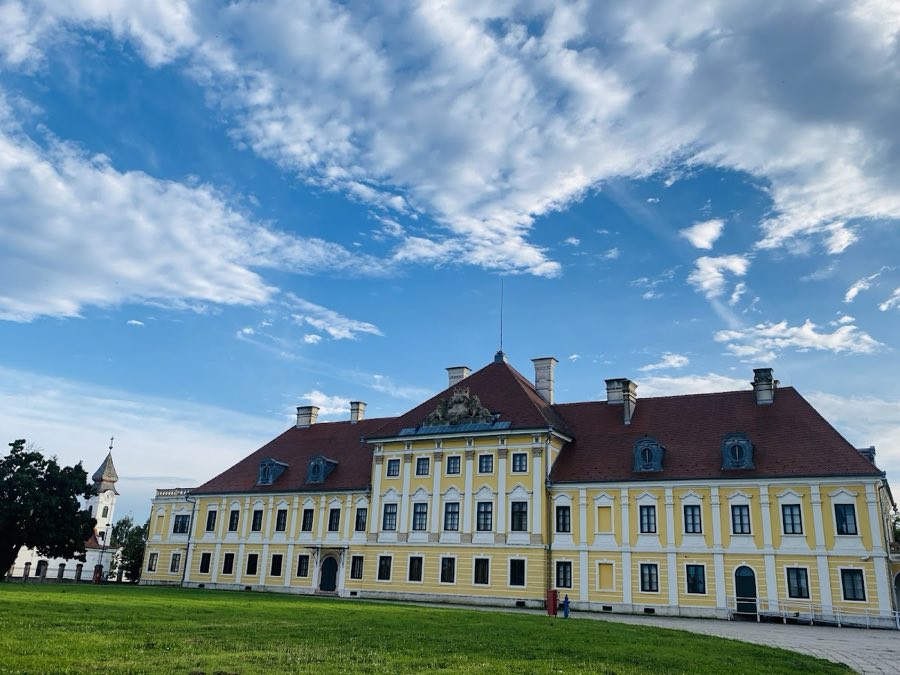
No. 19916
Eltz Manor, Vukovar
Vukovar, Croatia
Manor houseRuin18th century
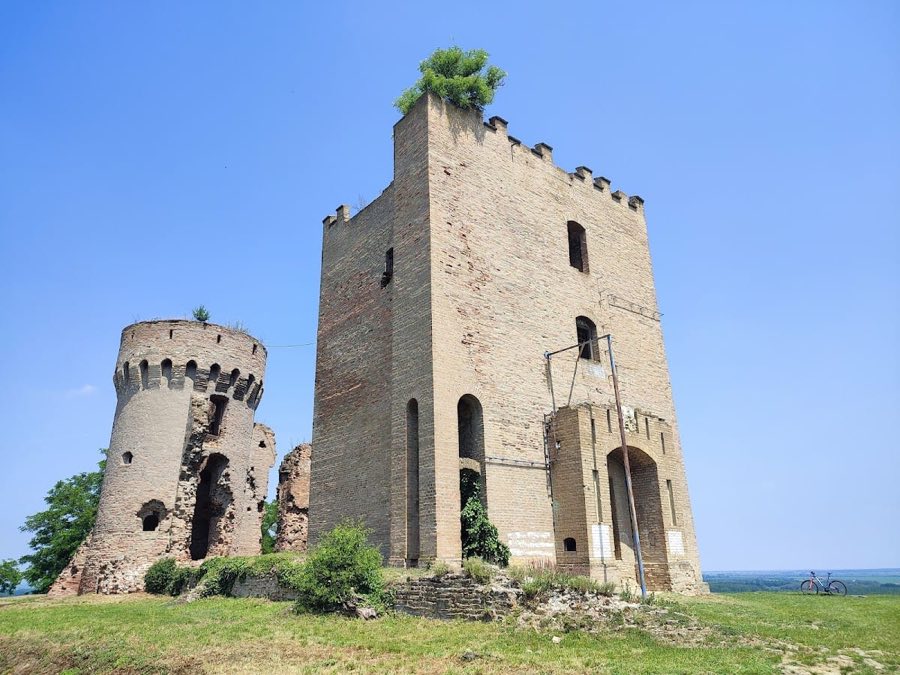
No. 35053
Castle · Croatia
No. 35053 · 45.527 N, 19.064 E
Quick summary
Erdut Castle is a castle in Croatia with origins associated with the 14th century.
See all castles in CroatiaErdut Castle stands on a bluff within the municipality of Erdut in Croatia. It was established during the 14th century by local builders seeking to capitalize on the site’s commanding height and strategic location overlooking the Danube River. Throughout its existence, the castle’s fortunes were closely tied to the turbulent history of the region.
The settlement and fortress first appear in historical records in 1335 under the name “Ardud.” From the 15th century into the 17th century, ownership fluctuated, with notable holders including the Titel provost and the Bánffy family. These changing hands occurred alongside periods when the region was under Ottoman Turkish control. The Ottomans seized the castle following their victory at the Battle of Mohács in 1526, incorporating it into their defensive network. The castle remained under Ottoman occupation until 1687, a time marked by military conflict involving Hungarian and Habsburg imperial forces attempting to reclaim the area.
After the castle was liberated from Ottoman rule in 1687, it passed to imperial administration. German-commanded troops were stationed there, but the fortress suffered partial collapse during this period. Some sections were dismantled deliberately to reduce its military value, a common practice aimed at preventing enemy use. Ownership shifted several times during the 18th century, ultimately coming into the possession of the Adamovich family and later the Szentkatolnai Cseh Ervin family, who chose to reside in a nearby manor instead of the aging fortress.
In the late 20th century, Erdut Castle again faced adversity when it was hit by artillery fire in July 1991 during the Croatian War of Independence. Croatian authorities promptly informed military leaders of the castle’s status as protected cultural heritage under international law. In recent years, efforts to preserve the ruins have gained support through a reconstruction initiative funded by the European Regional Development Fund, announced in 2022 with a budget of approximately 1.3 million kunas.
Erdut Castle is situated on a steep bluff at the northeastern edge of the town, providing wide views over the Danube’s large bend and the surrounding landscapes, including the Bácska Plain and nearby vineyards. Despite its relatively small footprint, the castle once combined defensive and residential functions within its walls.
Constructed rapidly following the collapse of Constantinople in 1453, Erdut Castle’s walls are thinner than typical fortifications, measuring just under one meter thick. To compensate for this, the builders included numerous large openings for cannons and narrow arrow slits, enhancing the castle’s defense capabilities. The heart of the fortress is a tall residential tower, which originally featured multiple wooden floors, though later modifications over the centuries have obscured its initial interior arrangement.
Traces of the castle’s role as a noble residence remain visible in wide stone staircases, fireplaces, and fragments of wall paintings. Notably, a chapel stood on the second floor of the main tower, serving religious functions within the castle complex. Along the northwestern edge, the outer wall of the palace wing still stands but leans noticeably, likely due to ground movement over time. Adjacent to this is a well-preserved corner tower featuring Italian Renaissance stylistic influences, highlighting a period of architectural refinement.
Below the main castle, some 40 meters downhill, lies another tower sharing similar design elements. Scholars debate whether this lower tower has shifted down the slope following an 1860 landslide or if it was originally built as part of the castle’s outer defensive ring. Today, Erdut Castle remains a substantial ruin, its significant remnants allowing visitors and researchers to piece together its historical and architectural narrative despite the ravages of time and conflict.
No. 19916
No. 37799
No. 64275
No. 16189
Comments
Comments for Erdut Castle will require a verified account before posting.
We'll send a verification link before your first comment is published.