No. 77835
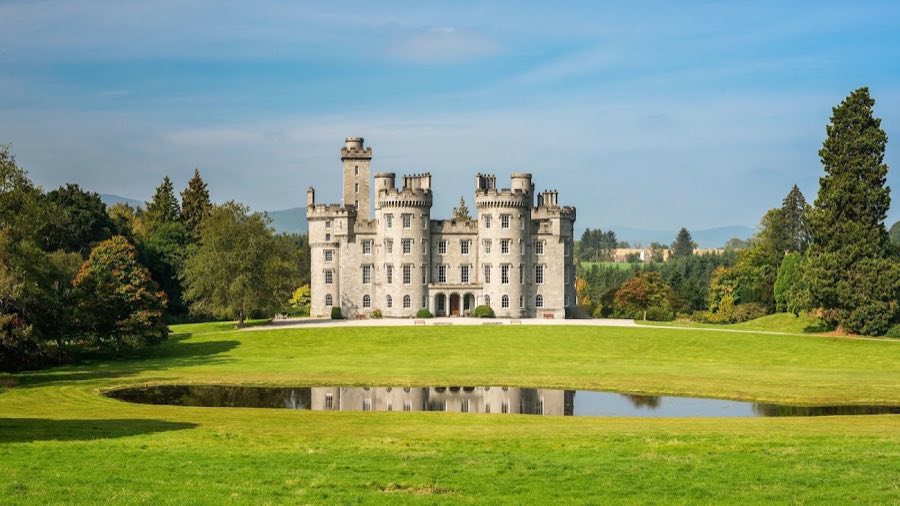
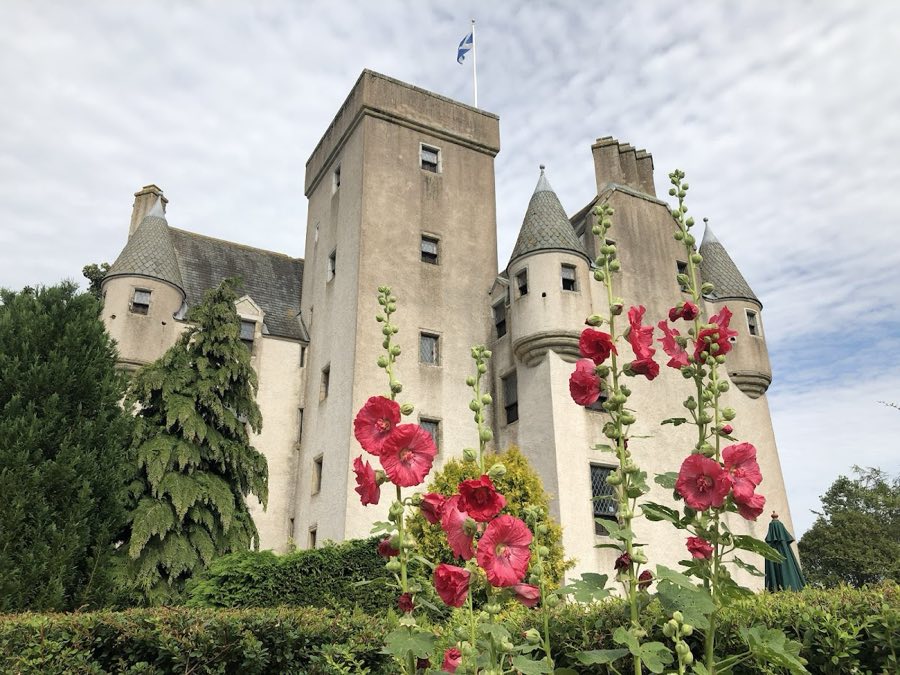
Cluny Castle
United Kingdom
CastleRestored14th century
No. 46324
Castle · United Kingdom
No. 46324 · 57.244 N, 2.460 W
Quick summary
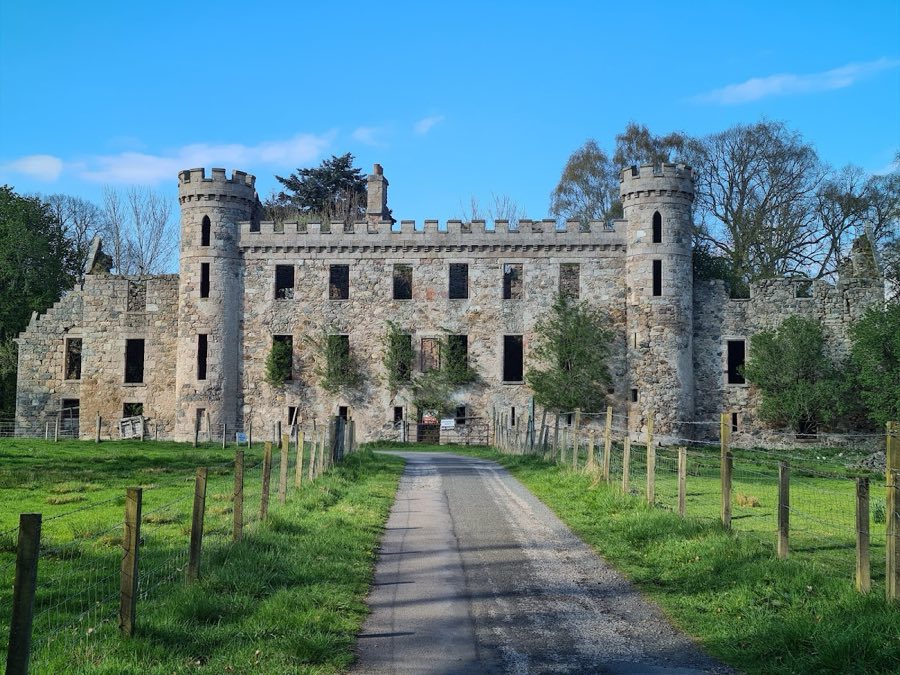
Fetternear Palace is a castle in United Kingdom with origins associated with the 12th century.
See all castles in United KingdomThe palace occupies a sloping platform above the Marshes Burn close to where that stream meets the River Don, facing the settlement of Kemnay. Excavation has shown that the medieval complex sat within a water-filled enclosure, and that the enclosed ground was drained by a ditch leading downhill to the Marshes Burn. The enclosed platform and its water management formed the primary layout on which later buildings were placed.
Evidence indicates the earliest palace buildings on the platform were timber. Excavators recovered the sole plate of a timber trestle bridge that once served as the southeastern entrance, demonstrating how visitors approached the site across water. Inside the former enclosure an oak palisade was identified, showing how wooden defensive or boundary fencing lined the interior edge of the moat. These timber elements were revealed in archaeological layers and remain represented by the timbers and their impressions in situ and by the single bridge sole plate excavated in 2009.
A kitchen area associated with the palace was explored in excavations in 2005 and 2006 in the south‑west corner of the enclosed platform. The investigations exposed structural remains and deposits consistent with food preparation and service functions; the kitchen was examined archaeologically and its features survive as sub-surface remains documented during those seasons.
Shortly south of the later tower-house, excavation in 2010 uncovered surviving lengths of masonry identified as the south and east walls of a chapel. The walls are part of a stone-built place of worship that stood a short distance from the palace core, and excavation showed how a visitor entering over the wooden bridge would have turned right to reach the chapel entrance. The chapel’s standing masonry survives as fragmentary wall sections recorded in situ.
Parts of the site later took on new construction and reuse. A ruined tower-house and the post-medieval mansion called Fetternear House were erected on portions of the palace area and represent later phases of occupation; these later buildings and their ruins form visible fabric atop and beside earlier medieval remains. In the late nineteenth century a local laird remodelled foundations that had been visible at ground level, altering their appearance. Early in the twentieth century an architect reported seeing moulded stonework recovered from these disturbed areas and described those fragments as finely carved; those stone fragments have been noted in the record of the site.
No. 77835
No. 23774
No. 87506
No. 52554
Comments
Comments for Fetternear Palace will require a verified account before posting.
We'll send a verification link before your first comment is published.