No. 99903
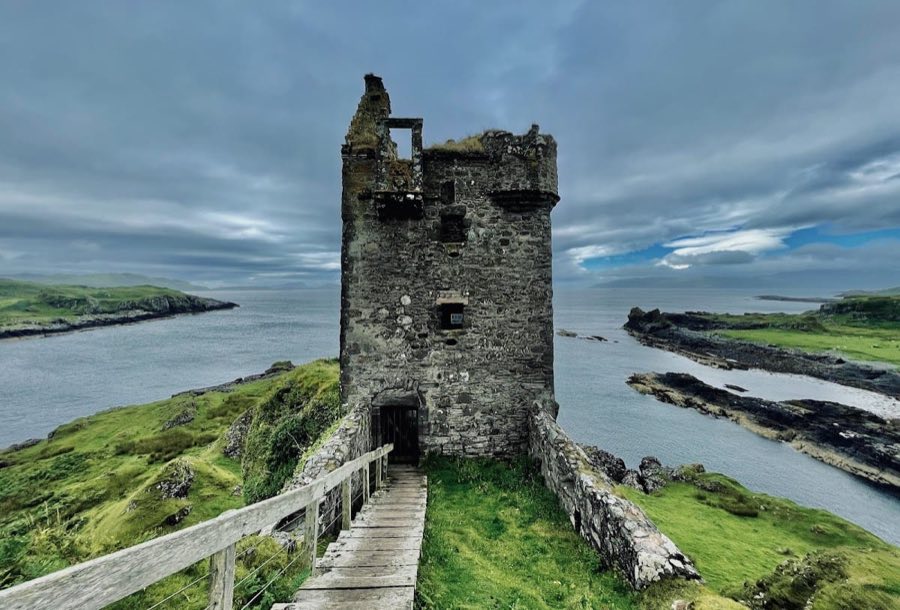
Mingary Castle
United Kingdom
CastleRuin14th century
No. 88935
Castle · United Kingdom
No. 88935 · 56.636 N, 6.177 W
For events
Glengorm Castle is marked as a château or castle venue lead. Capacity, indoor/outdoor spaces, catering rules, and accommodation options are published only after public verification.
Event types: Weddings, Private events, Cultural gatherings, Filming and photography
Ceremony spaces: Ceremony setting to verify
Quick summary
Glengorm Castle is a castle in United Kingdom with origins associated with the 19th century.
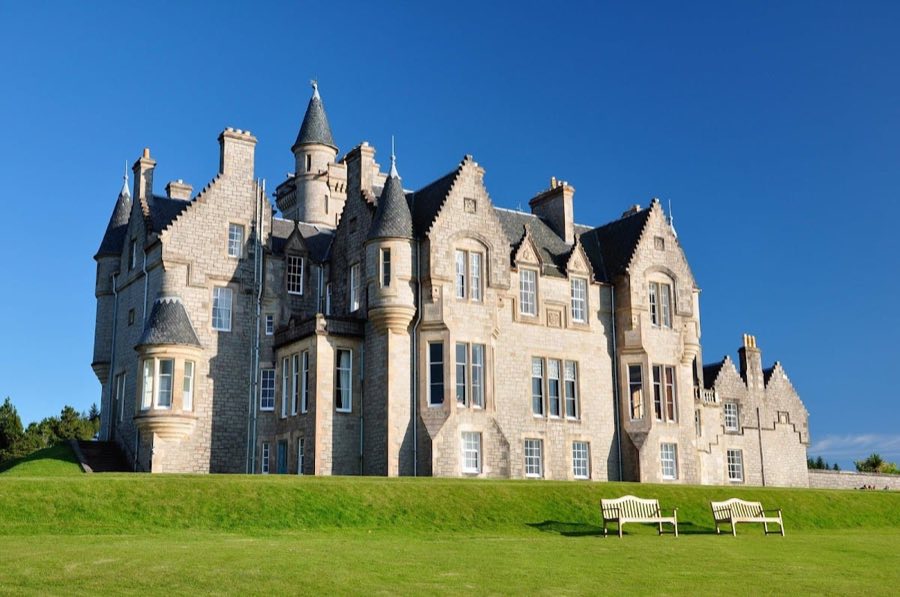
See all castles in United KingdomGlengorm Castle is located near Tobermory on the Isle of Mull, Scotland. It was established in the 19th century by a Scottish landowner during a period of significant change in the Highlands.
The estate where Glengorm Castle stands was bought in 1856 by James Forsyth of Quinish. Shortly after acquiring the land, Forsyth cleared the small township known as Sorne to make way for his new residence. This clearing involved evicting the local population and taking control of the land titles, a process that was deeply unpopular with the community and sparked stories of curses and other folklore related to the castle and its owner. These local tales eventually connected Forsyth’s fate to ominous predictions about the house.
Construction of the castle itself was completed in 1860, but Forsyth died soon after in 1863 due to a riding accident. His untimely death occurred before he could live in the finished building, confirming a local prophecy that he would never occupy the house he had built. This event added to the legends surrounding both Forsyth and the castle, whose alternative name, Castle Sorne, preserves the memory of the former settlement cleared from the land.
Over time, Glengorm Castle has seen changes in its use. In more recent years, it served as a guest house and a venue for weddings. The former stables on the estate have been adapted into a café and shop to support these activities. Currently, the castle functions as a private family home. Recognizing its cultural and architectural importance, the building is protected as a Category B listed structure by Historic Scotland. This status safeguards its preservation as a significant example of 19th-century Scottish country house design.
Glengorm Castle is a substantial stone building constructed in the Scots Baronial style, which was popular in 19th-century Scotland. It features hallmark elements such as turrets and battlements, giving it a distinct appearance reminiscent of traditional Scottish castles. The house is prominently situated on a coastal promontory overlooking the Atlantic Ocean, offering expansive views of nearby islands including Coll, Rùm, Canna, Barra, and Uist, as well as the Scottish mainland on clear days.
The estate also includes ancillary buildings, most notably the former stables. These stables have been thoughtfully repurposed into a café and shop, demonstrating the adaptive reuse of estate structures. This conversion maintains the practical use of the site while preserving its historical context.
Nearby the castle grounds are standing stones, which indicate the presence of prehistoric or historic landscape features in the area. While these stones are not directly connected to the castle’s architecture, their proximity suggests a continuity of human activity on the site dating back much earlier than the castle’s construction. The stones contribute to the historical ambiance of the estate and connect it to a broader narrative of the region’s past.
Together, these features reflect a layered history of the site, combining 19th-century architectural ambition with earlier cultural landmarks within the surrounding landscape.
No. 99903
No. 28671
No. 33598
No. 55120
Comments
Comments for Glengorm Castle will require a verified account before posting.
We'll send a verification link before your first comment is published.