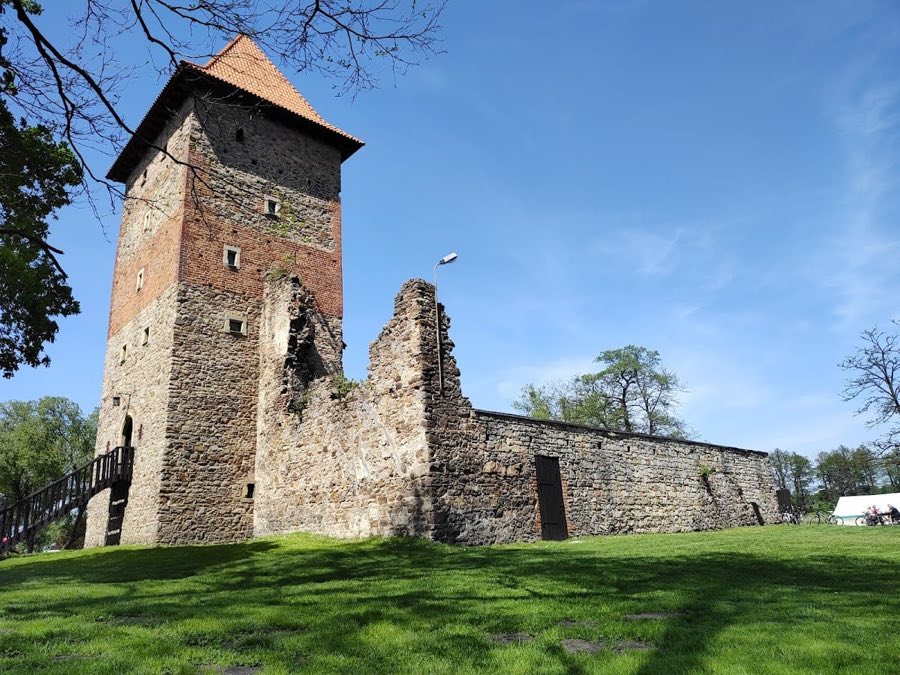
No. 29339
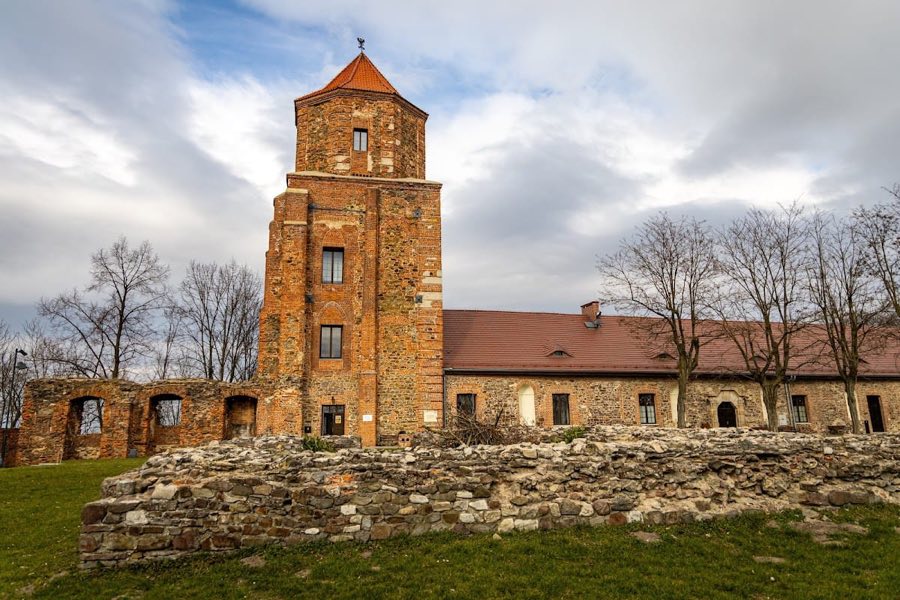
Chudów Castle
Poland
CastleRuinFor events16th century
No. 81281
Castle · Poland
No. 81281 · 50.293 N, 18.666 E
Quick summary
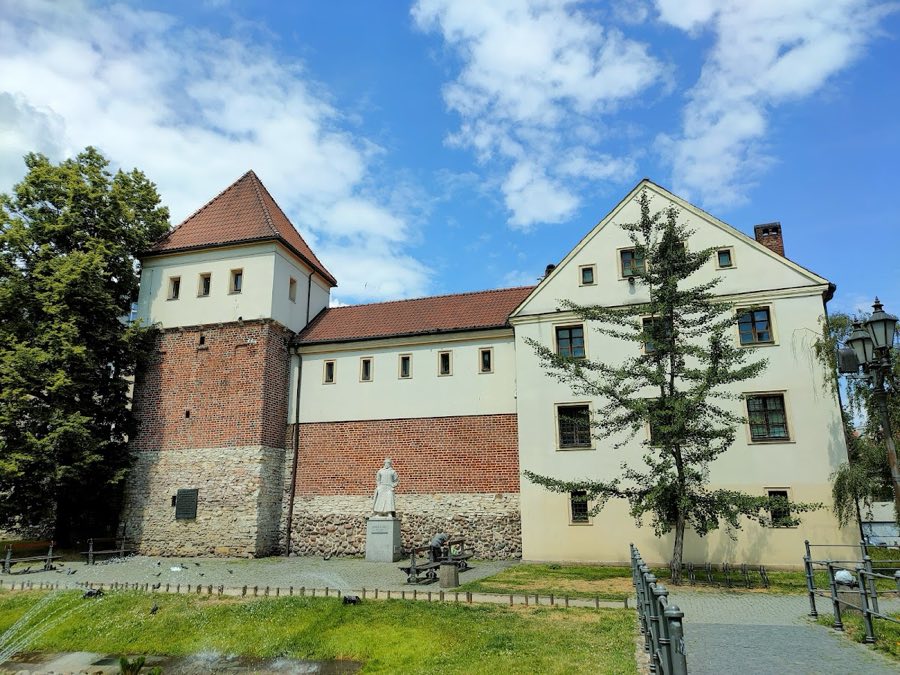
Gliwice Castle is a castle in Poland with origins associated with the 16th century.
See all castles in PolandGliwice Castle stands in the town of Gliwice, Poland, and was erected by the medieval community responsible for the town’s defenses.
The complex began in the mid-1300s as two towers that formed part of the town’s defensive wall. The original role of the structure has not been determined; it was not used as a Piast ducal residence. Over time the towers and the adjoining curtain of the wall became the core of a larger stone building.
In 1561 the owner Fryderyk (Frederick) von Zetritz carried out a substantial enlargement, transforming the existing Gothic stone-and-brick fabric and introducing Renaissance details. The defensive tower and the adjoining section of wall were remodeled to serve as the residence of the town lord Friedrich von Czettritz during these works. During later centuries the complex served a variety of administrative and military purposes; it is documented as an arsenal, and it functioned as a prison from the early 1500s until the end of the second decade of the 1900s. One record also describes use of the site as a farmyard.
Before 1945 the building was commonly known by its German name Zetritzhof, with other historic names recorded as Dwór Cetrycza and Stockhaus. After 1945 locals referred to it as “zameczek,” and in 1983 it received the name “Zamek Piastowski.” The castle was restored and adapted in 1959 and incorporated into the Museum in Gliwice. A thorough renovation took place between 2005 and 2008, and from 2008 the interior spaces have displayed collections of archaeology, history and ethnography, housing the museum’s archaeology and history departments. A monument to Stefan Batory was unveiled on the square beside the castle on 30 September 2014 as a gift from the Hungarian town Salgótarján. The site is listed in the national register of monuments (reference dated 2022).
The complex retains a compact layout that reflects its origin as two defensive towers linked to the town’s fortification. The surviving construction shows a blend of medieval masonry and later additions: the earliest work is stone and brick built in a Gothic manner, while the 1561 phase added features associated with the Renaissance. A visible fragment of the medieval town wall has been retained and incorporated into the structure, so that the building still reads as part of the former defensive line.
The original towers survive in their locations and are recognisable as former defensive elements. These towers were built of stone and brick and later altered when one defensive tower and its adjoining wall were reshaped to form living quarters in the sixteenth century. That residential conversion reused the earlier defensive fabric, integrating new masonry work with the older walls; these phases remain evident in the masonry and plan.
Later reuses left clear physical marks. Evidence of the building’s use as an arsenal and its long-standing role as a prison survives in the layout of interior spaces adapted for storage and confinement, a function documented from the early 1500s until the end of the second decade of the twentieth century. A record of agricultural use as a farmyard is also associated with the site, indicating episodes of pragmatic reuse beyond military or administrative roles.
Mid-twentieth-century and early twenty-first-century interventions have altered the silhouette and condition of the remains. The 1959 rebuilding included the addition of a tower, and a comprehensive conservation and renovation campaign between 2005 and 2008 stabilised and refreshed the fabric. Today the restored interiors accommodate museum exhibitions, while the incorporated fragment of the town wall and the modified tower forms remain in situ as visible elements of the castle’s layered history.
No. 29339
No. 86541
No. 43937
No. 75861
Comments
Comments for Gliwice Castle will require a verified account before posting.
We'll send a verification link before your first comment is published.