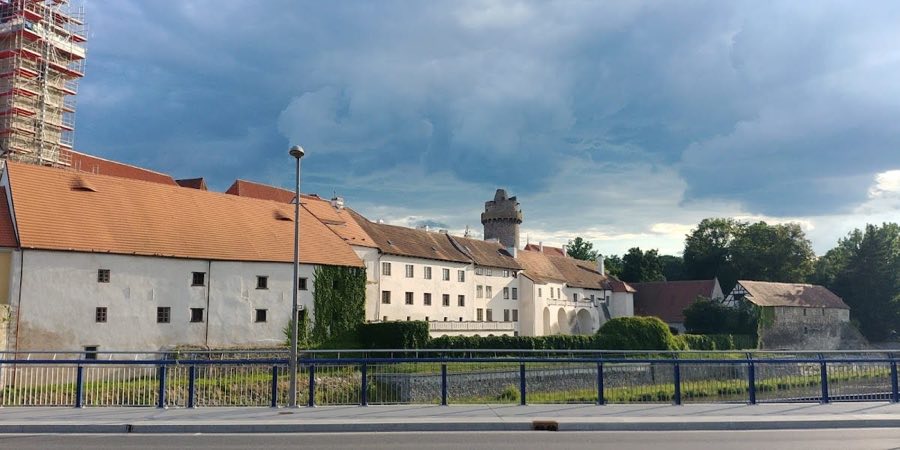
No. 27321
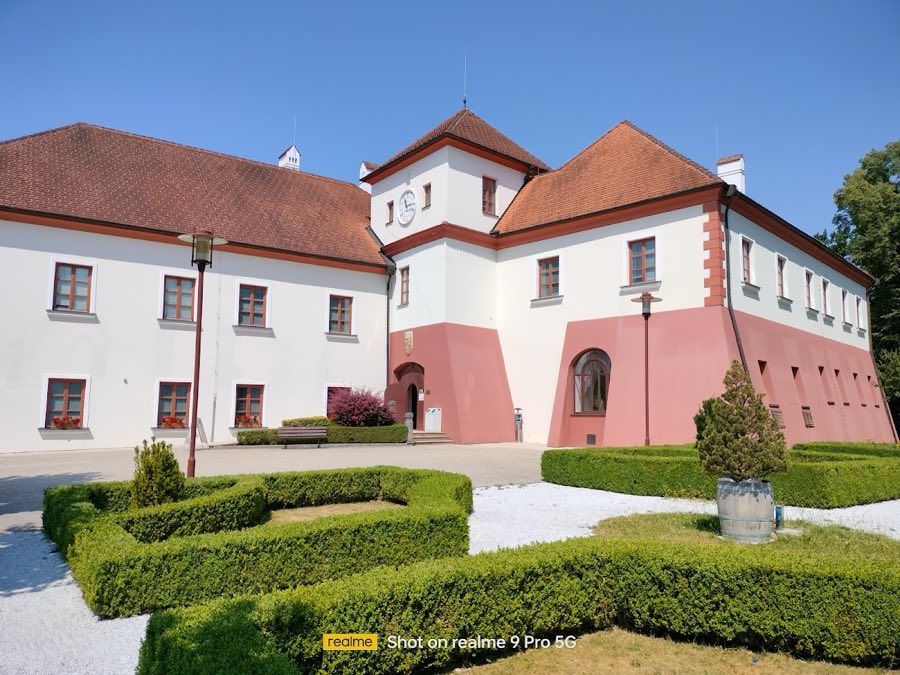
Strakonice Castle
Czechia
CastleIntactFor events13th century
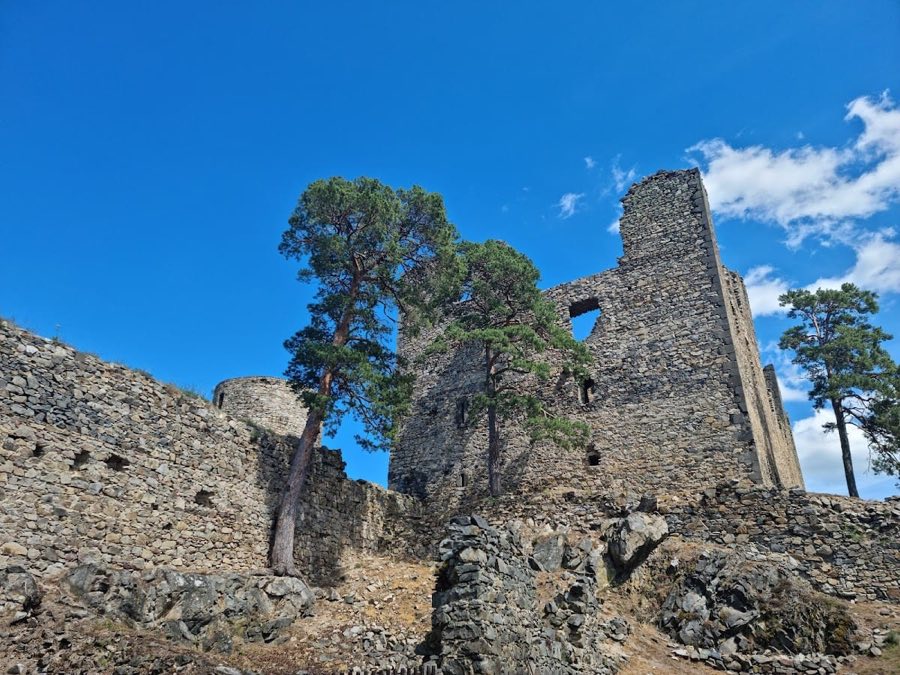
No. 14134
Castle · Czechia
No. 14134 · 49.136 N, 14.006 E
Quick summary
Helfenburk Castle is a castle in Czechia with origins associated with the 14th century.
See all castles in CzechiaHelfenburk castle stands near the modern municipality of Bavorov in the Czech Republic. It was established in 1355 by members of the Rožmberk family, a noble lineage prominent in the region, who constructed the fortress as a stone replacement for an older wooden stronghold. This building project was authorized by King Charles IV as a reward for the Rožmberk brothers’ military support during his coronation journey to Rome. Positioned at the edge of their western estates, the castle functioned as a fortified administrative center overseeing nearby lands.
During the late 14th and 15th centuries, Helfenburk became involved in the turbulent politics of Bohemia. It provided refuge to Archbishop Jan II of Jenštěn when he opposed King Václav IV, hosting key negotiations between rival factions at a time of widespread unrest. The castle also played a role in disputes connected to the Hussite Wars and later conflicts during the reign of King George of Poděbrady, signaling its continued strategic importance in regional affairs.
In 1475, ownership shifted when the castle was sold to the Knights Hospitaller. Soon after, the Rožmberks’ control was interrupted once more when Václav Vlček of Čenov acquired Helfenburk. Between 1477 and 1483, Vlček made significant improvements to its defenses, adapting the castle to withstand advances in military technology. The Rožmberk family regained possession in the early 16th century, but by that time Helfenburk’s role as a military fortress was fading.
By the late 1500s, the castle transitioned into a residence serving administrative purposes rather than defense. It was abandoned in the 1590s and sold to the nearby town of Prachatice in 1593. Following the decisive Battle of White Mountain in 1622, the castle was confiscated by the authorities and passed through the hands of the Eggenberg and later the Schwarzenberg families. In the 20th century, the site was nationalized in 1922, marking another shift in its stewardship.
Efforts to stabilize the castle ruins began in the 1930s, aimed at preserving the remaining structures. In 1977, one of the defensive towers on the south side was adapted for use as a lookout. Since the 1990s, the town of Bavorov has maintained the ruins, which are recognized as a cultural monument reflecting centuries of regional history.
Helfenburk occupies a sandstone plateau rising approximately 70 meters above the Hrádecký důl valley, at an elevation of 310 meters above sea level. The castle initially featured timber constructions, but the significant phase under Archbishop Jan Očko saw the complex rebuilt mostly from stone. This
No. 27321
No. 72901
No. 59291
No. 85345
Comments
Comments for Helfenburk Castle will require a verified account before posting.
We'll send a verification link before your first comment is published.