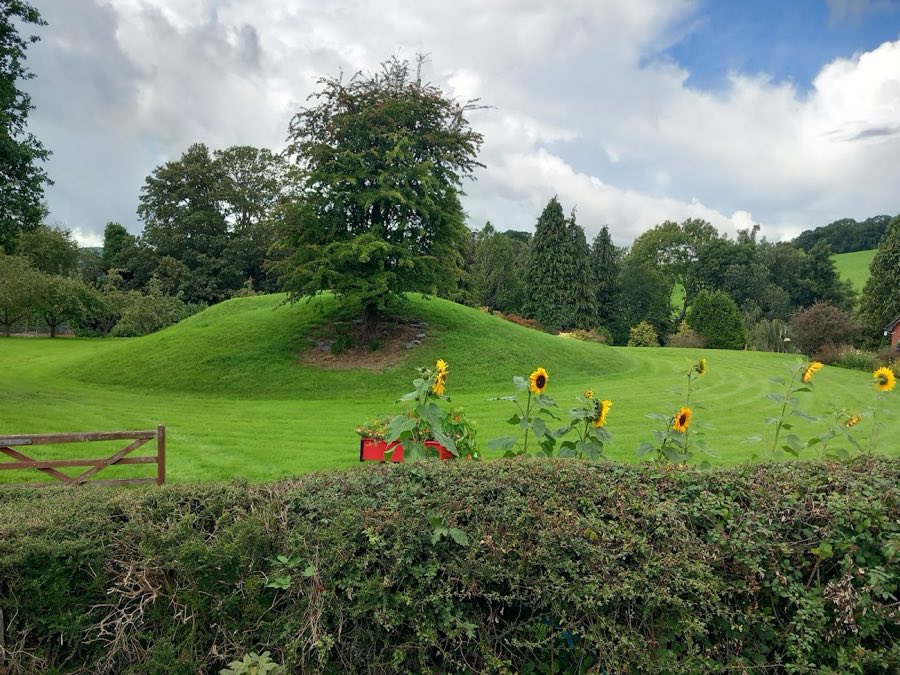
No. 63741
Llanthomas Motte
United Kingdom
CastleIntact12th century
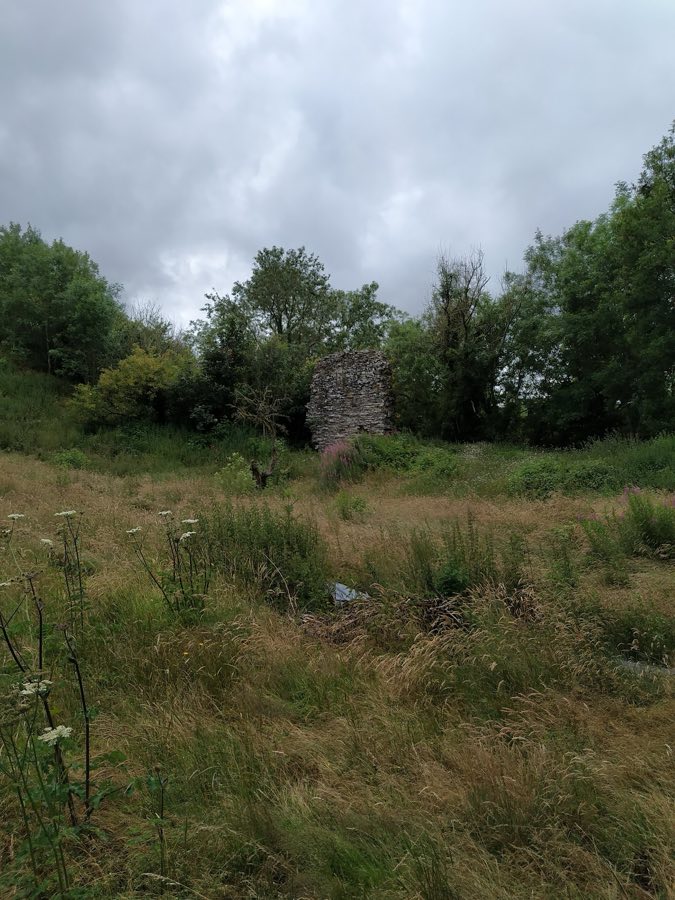
No. 23527
Castle · United Kingdom
No. 23527 · 52.178 N, 3.100 W
Quick summary
Huntington Castle is a castle in United Kingdom with origins associated with the 13th century.
See all castles in United KingdomHuntington Castle occupies a commanding hilltop in the medieval Marches between England and Wales. It was established in the early 13th century by the de Braose family as a successor to nearby Kington Castle, which was likely destroyed in 1215–1216. Reginald de Braose is recorded as appropriating oak for building between about 1217 and 1224, and construction of timber and early stone defences dates to this period. After Reginald’s death King Henry III seized the site in July 1228; the castle later returned to the de Braose line and passed by marriage into the de Bohun family, who retained it until the death of their last male heir in 1372.
During the baronial conflicts of the 1260s rebel forces besieged Huntington in July 1264, but the garrison held out. The castle was later granted to Roger Mortimer by the future Edward I and used as a base after the royal victory at Evesham. In the later 14th century Mary de Bohun married Henry, then Earl of Derby and later King Henry IV; the property remained with him until his accession in 1399, when ownership passed to Edmund Stafford, 5th Earl of Stafford. Edmund fell at the battle of Shrewsbury in 1403, and his widow, Anne, Countess of Stafford, refortified the castle against the uprising led by Owain Glyndŵr, appointing John Sment as constable. Glyndŵr’s followers raided local stock and burned a nearby mill after the skirmish at Bryn Glas, but Huntington itself was not taken in that action.
Use of the site declined in the 15th century and by the reign of Henry V it was no longer maintained as a modern fortress. The castle returned to Crown hands by 1564 and passed through several private owners thereafter. By the outbreak of the English Civil War in 1642 the site was a ruin as a fighting stronghold, though a stone keep was still reported standing in 1670. Today the location is heavily overgrown; only earthworks and fragments of masonry survive, and the site is recorded on Historic England’s Heritage at Risk Register as being in poor condition.
The castle is arranged as a motte-and-bailey complex occupying the hilltop and overlooking the valley. Its defensive concept relied on the natural slope of the ground and a nearby watercourse, augmented by engineered banks, ditches and a fed ditch that acted as a moat on the lower sides. The principal circuit comprises a raised motte and an adjacent inner court enclosed by banks and trenches.
Archaeological evidence attributes the main 13th-century works to the de Braose period, when timber structures and early stone defences were erected. The motte is an artificially raised earth mound intended to support a stronghold, and the inner court would have contained domestic and service buildings. A southern and eastern trench was fed by a brook, forming a wet defence that controlled access from the valley floor.
Surviving masonry indicates that stone replaced or reinforced earlier timber defences in later medieval phases. Earth banks, ramps and patches of worked stone and mortar mark the former walls; a fragmentary semicircular tower survives in the masonry record, and a substantial stone keep was still reported in 1670 but no longer survives above ground. Early 15th-century repairs carried out when Anne, Countess of Stafford, prepared the castle against Welsh attack are reflected in the mixed character of earth and stone at the site. Today the remains are overgrown and fragmentary, with terraces, banks and scattered stonework recording the footprint of the medieval castle.
No. 63741

No. 39515
No. 58512
No. 18198
Comments
Comments for Huntington Castle will require a verified account before posting.
We'll send a verification link before your first comment is published.