No. 14775
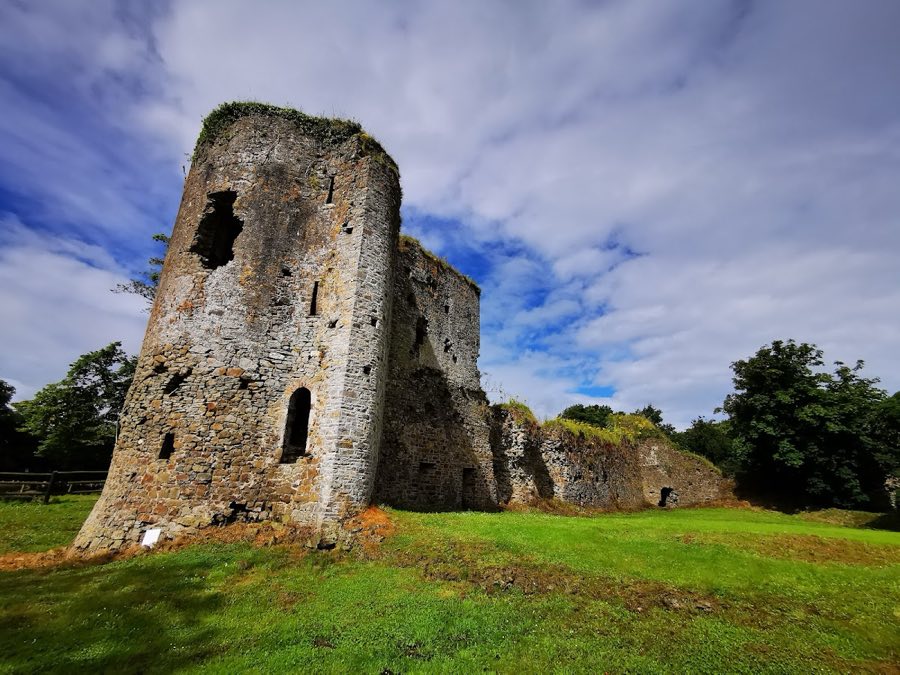
Kilbolane Castle
Ireland
CastleRuin13th century
No. 23127
No. 23127 · 52.352 N, 8.956 W
Quick summary
Springfield Castle is a castle in Ireland with origins associated with the 15th century.
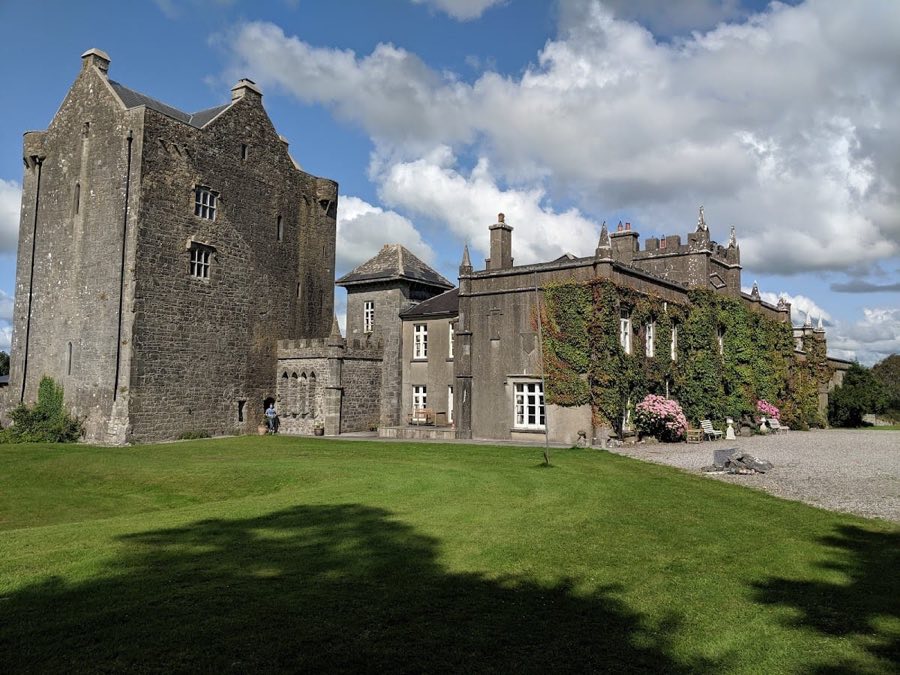
See all castles in IrelandSpringfield Castle is situated near Newcastlewest in the municipality of Springfield, located in what is now the country of Ireland. This site was originally settled in 1280 by the Norman Fitzgerald family, who established themselves in the area after marrying into the local Gaelic ruling Ó Colleáin clan. Through this alliance, they adopted the hereditary title Lords of Claonghlais.
During the 15th century, the Fitzgerald descendants constructed a stone keep at the site, further solidifying their presence. In the 17th century, the family became patrons of the Irish poet Dáibhí Ó Bruadair, who lived from 1625 to 1698, and he composed an elegy in their honor. However, the political landscape shifted dramatically after 1691, when their lands were confiscated under English authority. Consequently, the Fitzgerald family left Springfield and relocated to France.
Following their departure, William Fitzmaurice, who was a younger son of the 20th Lord Kerry, acquired the estate. His son, John Fitzmaurice, then added a significant Early Georgian mansion adjacent to a medieval keep thought to date from the 13th century. This large three-storey house marked a new phase in the site’s development. In 1780, Ann Fitzmaurice, the sole heiress of the estate, married Sir Robert Deane, the 1st Baron Muskerry, linking the castle to the Deane family.
In 1921, during the Irish War of Independence, the Georgian mansion was devastated by fire. Following this event, Sir Robert Deane, the 5th Baron Muskerry, undertook rebuilding efforts, which included the restoration of the servants’ wing and renovations to other parts of the complex. Today, Springfield Castle remains a family residence on an estate of roughly 200 acres, owned and occupied by descendants, presently under Robert Deane, 9th Baron Muskerry.
The Springfield Castle complex is arranged around a central courtyard and showcases a mixture of medieval and later architectural elements. The ensemble includes two principal stone towers from distinct periods: one originally built in the 15th century and the other constructed in the 18th century. The older tower, a keep, was recently restored and is notable for containing a mural staircase—a staircase embedded within the thickness of one of the external walls—an architectural feature that demonstrates the use of space in medieval fortifications.
Aside from the towers, the site includes a variety of ancillary buildings such as workshops and stables, which would have served the functional needs of the complex throughout its history. Following the 1921 fire that destroyed the large Georgian mansion next to the 13th-century keep, portions of the servants’ wing from the 18th century were modernized and preserved during later renovations.
The castle stands on an estate that spans about 200 acres (81 hectares), incorporating several lodges where family members reside. The ongoing maintenance and adaptation of the complex reflect its continuous occupation and the layered history embedded within its walls.
No. 14775
No. 82993
No. 85306
No. 38567
Comments
Comments for Springfield Castle will require a verified account before posting.
We'll send a verification link before your first comment is published.