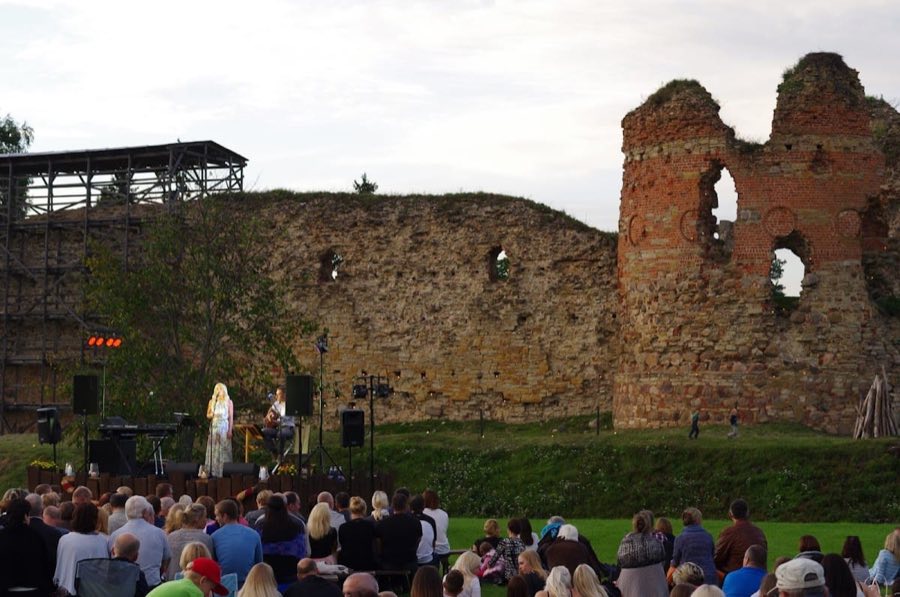
No. 14125
Vastseliina Castle
Estonia
CastleRuin14th century
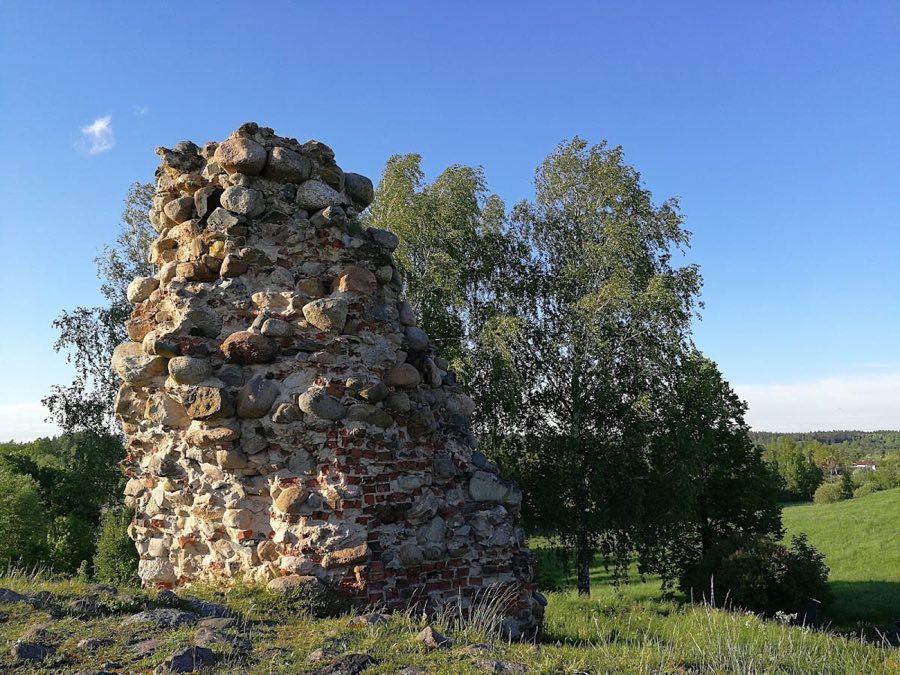
No. 79397
Castle · Estonia
No. 79397 · 57.862 N, 26.992 E
Quick summary
Kirumpää Castle is a castle in Estonia with origins associated with the 13th century.
See all castles in EstoniaKirumpää Castle is located in the municipality of Kirumpää, Estonia. It was originally built by the medieval Livonian Church authorities as a stronghold on the eastern frontier of the Bishopric of Dorpat, a religious and political territory centered in present-day Tartu.
The earliest written mention of Kirumpää Castle dates back to 1322, when it suffered destruction at the hands of Lithuanian forces led by Prince Gediminas. Archaeological excavations conducted in 2005 suggest the castle’s foundation likely belongs to the mid-13th century, which aligns with the period when the Bishopric was expanding its influence in the region. Initially, the site consisted of a small fortified tower-house designed to control the nearby Võhandu River crossing. This river served as a natural boundary and key artery along the important Tartu–Pskov trade and military route.
During the 15th century, the castle underwent significant expansions transforming it into a larger fortification with a more complex layout. Around 1500, new defensive features such as a round cannon tower and an outer bailey were added, reflecting advances in military technology and the castle’s continuing strategic importance. Throughout its active history, Kirumpää was involved in several military conflicts. It played a role in the Estonian Peasant’s War during 1343–1345, notably serving as a command post for the forces led by Dietrich von Rambow. The building was repeatedly besieged and damaged during conflicts including the Livonian War in the mid-16th century, when Ivan IV’s forces in 1558 and Lithuanian troops in 1579 attacked the site.
In the 17th century, Kirumpää was again involved in warfare, sustaining damage during the Russo-Swedish War of 1658 and the Great Northern War beginning in 1701. After the mid-1600s, the castle’s military significance declined. The adjacent settlement that had grown under the castle’s protection was destroyed during the Russo-Swedish War of 1656–1661 and never rebuilt. Later developments, such as the founding of the nearby town of Võru in 1784, further diminished Kirumpää’s prominence. Although the castle fell into ruin by the 18th century, local residents intervened to save it from total destruction following a fire during the Livonian War. Archaeological remains and historic castle plans preserved in the Swedish National Archives offer insight into its layout and usage. The site remains a protected cultural monument today under the stewardship of the Võru rural municipality.
Kirumpää Castle sits atop a low oval hill on the high bank of the Võhandu River, strategically overseeing a vital trade and military route. Constructed primarily from fieldstone and brick, the castle’s core occupies an area roughly 42 by 45 meters arranged in a square plan. Three sides of the square feature rooms arranged around a courtyard with a trapezoidal shape adjacent to the building complex. The oldest standing section is a residential wing measuring approximately 14 by 10 meters, notable for its thick walls and containing a chapel space, indicating the castle’s religious as well as defensive function.
The main entrance was located on the western side and accessed through a gatehouse built into the western wall. Before this gate stood a small pentagonal bastion, a defensive projection designed to protect the entry. Other defensive structures included a rounded tower added later in the southwestern corner, suitable for mounting cannons, and smaller four-sided towers at the northeast and southeast corners which served as watch and defensive posts. A moat surrounded the castle, encircling it with water supplied—according to local tradition—by a natural spring that has since dried up, enhancing the overall defense.
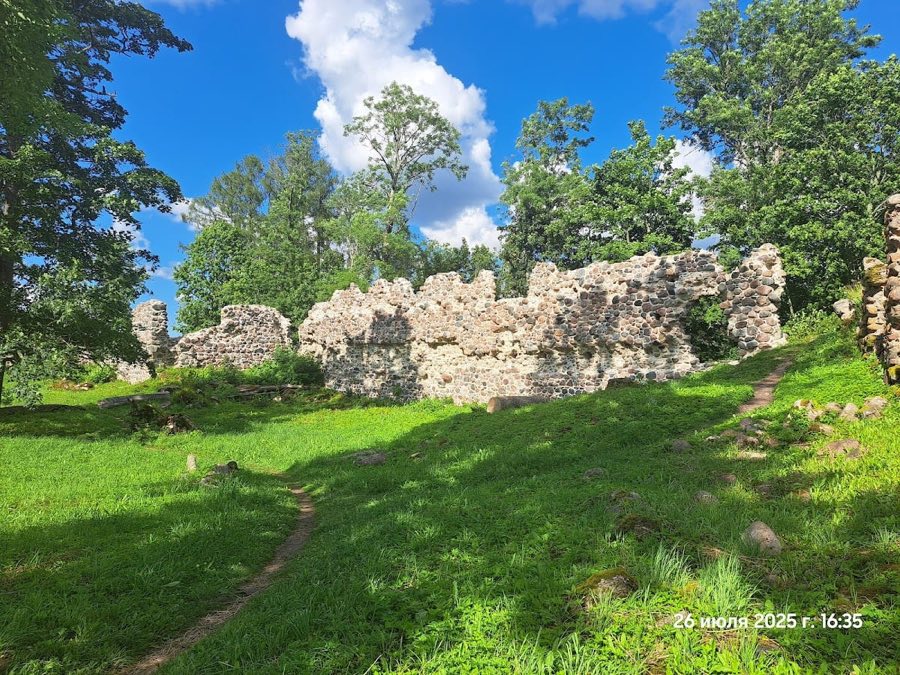
The castle was likely three stories in height with a basement level. The northern wing is believed to have housed a larger hall area, possibly used for gatherings or official functions. Today, the remains include partial walls and several tall masonry pillars that once supported the main tower. These ruins can be seen from the nearby Võru ring road, particularly when the surrounding trees are without leaves. Among the remnants grow small-leaved lime trees that were planted in 1940, which now intermingle with the stonework, marking the enduring presence of this medieval site.
No. 14125
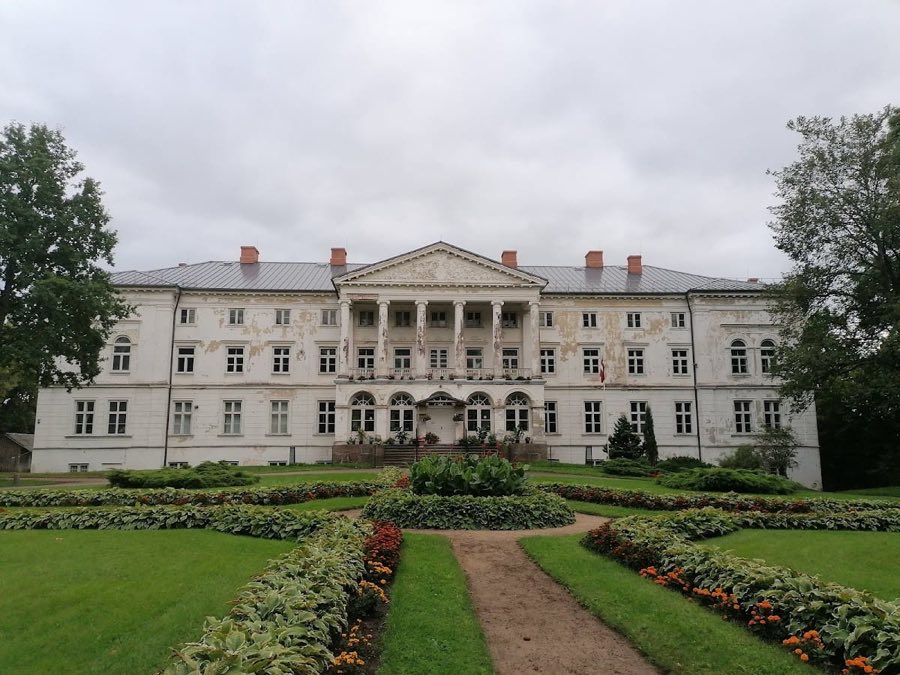
No. 30220
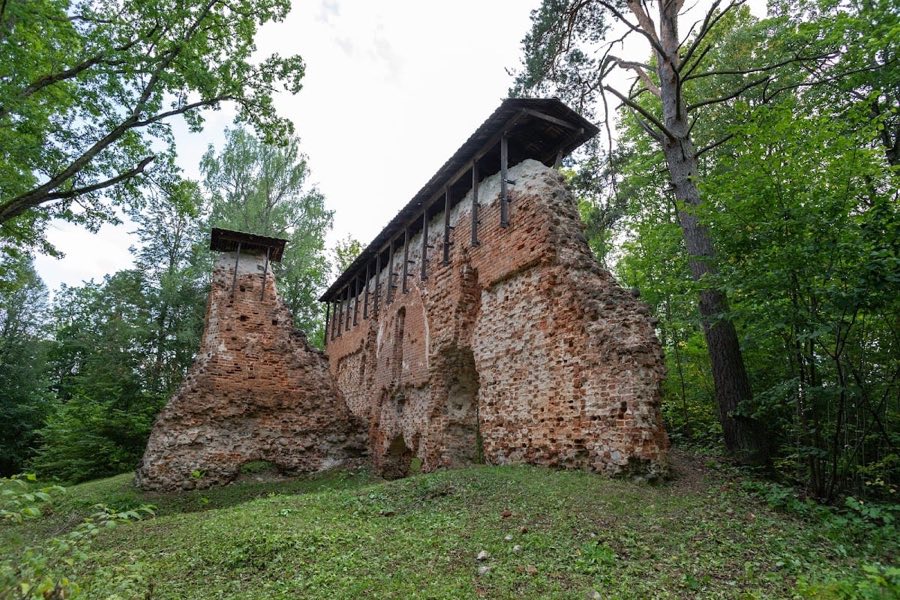
No. 16146
No. 34324
Comments
Comments for Kirumpää Castle will require a verified account before posting.
We'll send a verification link before your first comment is published.