No. 11582
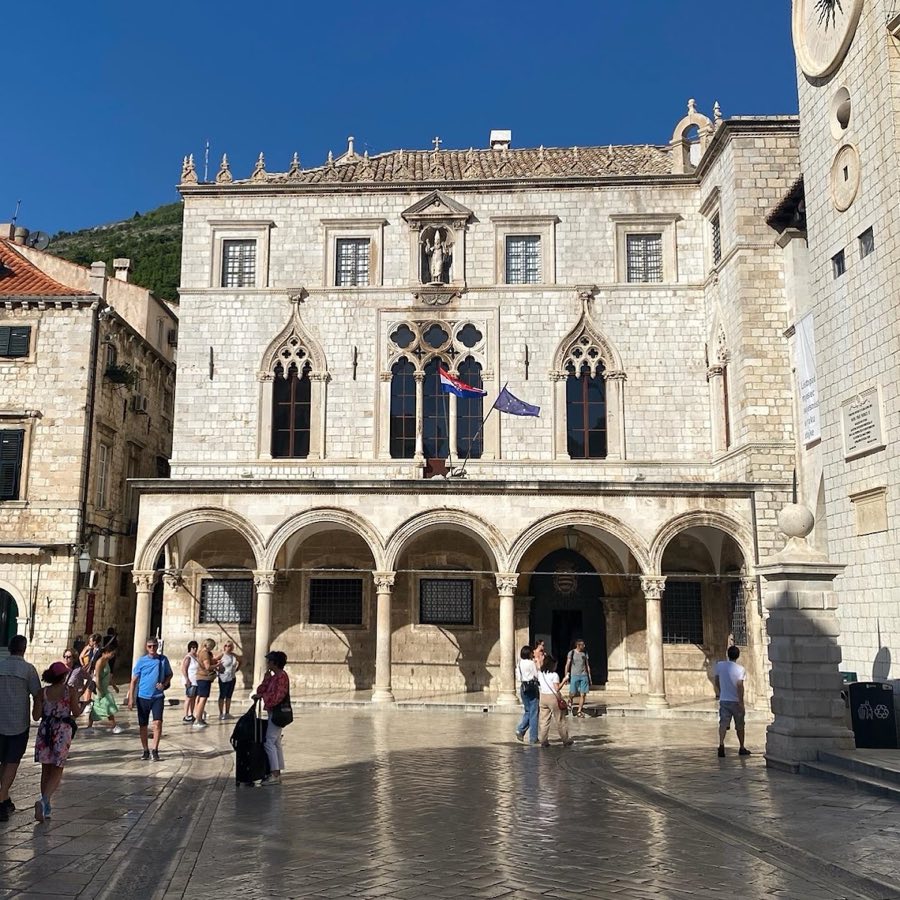
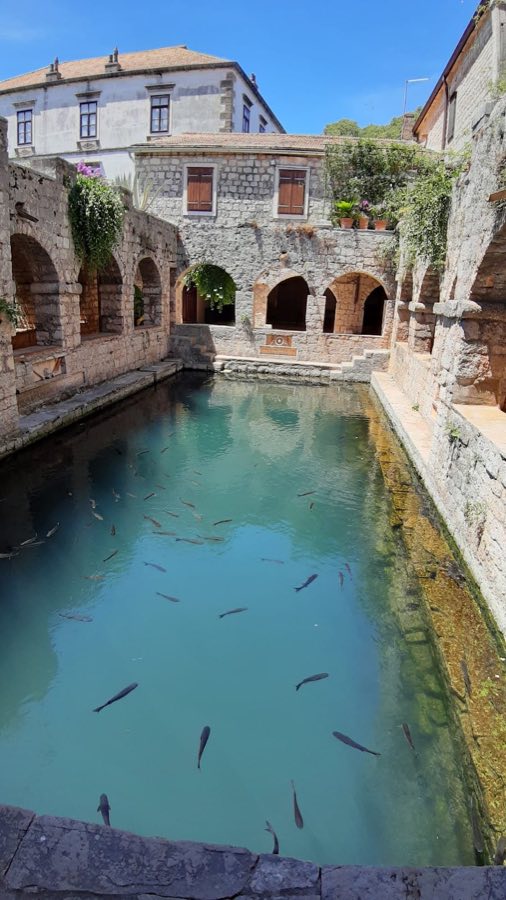
Sponza Palace, Dubrovnik
Dubrovnik, Croatia
PalaceIntact16th century
No. 78946
Castle · Bosnia and Herzegovina
No. 78946 · 43.093 N, 18.489 E
Quick summary
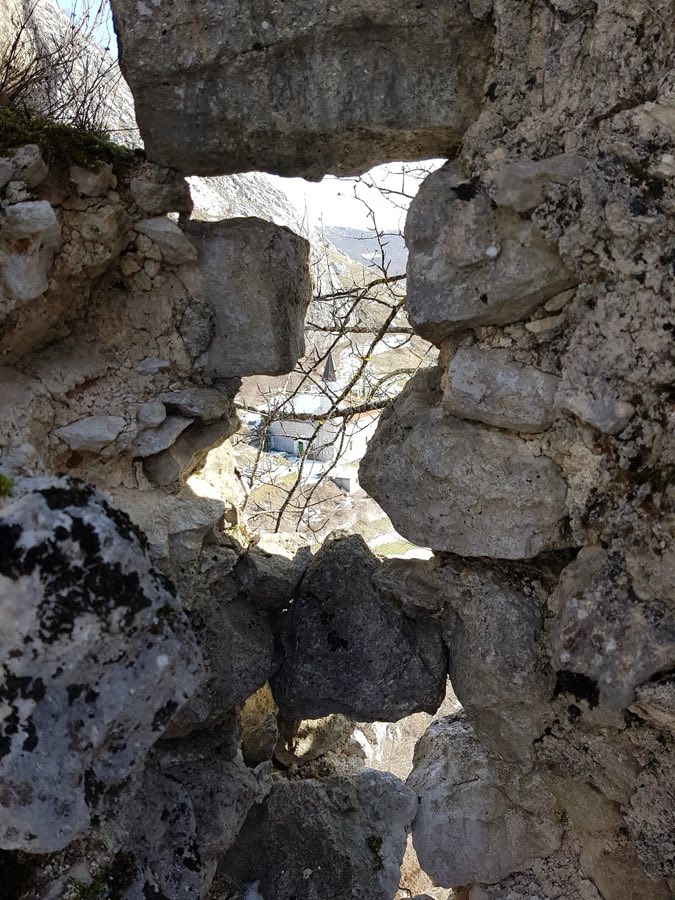
Ključ Castle is a castle in Bosnia and Herzegovina with origins associated with the 15th century.
See all castles in Bosnia and HerzegovinaKljuč Castle stands in the municipality of San Martino Valle Caudina, Bosnia and Herzegovina; the identity of its original builders is not recorded.
By 1426 the site functioned as a regional power center and served as the principal residence of Grand Duke Sandalj Hranić, who issued most of his charters from Ključ. During this period the fortress acted as an administrative hub for the duke. Stjepan Vukčić Kosača is recorded as having stayed at Ključ and received missions there, although by his visits the fortress had already lost some of its earlier favour.
The castle appears in legal and commercial records through the mid-15th century. An August 1434 lawsuit names the place as Cluz, and a tomb inscription records that Radonja Ratković died beneath the town while serving Duke Sandalj Hranić. Documentary evidence shows activity around the site’s market: a mid-February 1449 entry records Radassin Stanchouich of Sotocliuç entering four years of service and apprenticing to the weaver Vlakota Mihačević. Administrative listings show the fortress under the form Glutsch in 1448 and again as Cluz with its castle and possessions in 1454. In these records Ključ supervised the neighbouring settlement of Cernica and monitored traffic along the Dubrovnik–Goražde trade route.
Following the collapse of the Bosnian kingdom in the 1460s the fortress resisted Ottoman advance longer than most residences in Herzegovina. In July 1463 an Ottoman incursion was checked by a short re-annexation to the duke’s territories. Vlatko, the duke’s son, exercised direct control of Ključ from 1464 until 1468. Ottoman forces led by Ajas Pasha captured the fortress in 1469, after which Ključ ceased to hold the same strategic role and began to fall into ruin. Visitors in the 16th century, among them the Venetian Benedetto Ramberti in 1533, recorded the stronghold as destroyed. By the late 19th century the newly established town of Koriti had assumed the local functions once held by Ključ. The site has been declared a National Monument of Bosnia and Herzegovina. Immediately after the Austro-Hungarian occupation in 1878 engineer Hugo Jedlička investigated the ruins, directed archaeological work, removed two cannons to the National Museum in Sarajevo, and brought medieval stećak (medieval tombstone) monuments from the nearby hill Ćućenica to the same museum.
Ključ occupies a compact, elongated position on the far southwestern flank of Babe mountain beneath Rudi brdo (1,167 metres). The fortress is set where limestone boulders constrain the outer defenses and where steep rock protects the eastern rampart of the upper enclosure. A small mosque stands on a prominent knoll called Begova bašča about fifty metres from the old fortifications, marking a close relationship between the settlement and the hilltop stronghold.
The surviving layout encloses an interior courtyard measuring roughly 51 by 19.2 metres. The principal entrance retains door frames that measure about 1.70 metres high and 0.80 metres wide; the ground immediately before the lower threshold was levelled, and a short flight of steps above it led onto the patrol walkway. The upper town is ringed by an outer rampart that reaches approximately seven metres in height and narrows to a maximum thickness near 3.5 metres. Access to the upper ward’s main gateway was made through a side wall opening whose clear dimensions are recorded as about 2.00 by 1.40 metres.
A main tower rises on a square base of about eight by eight metres, its walls almost 1.8 metres thick, and this tower shows a limited number of embrasures intended for hand-held firearms and edged weapons. South of the primary entrance stands a square tower reported with dimensions of seven by forty metres that served as a dungeon. Several curtain walls are between 0.8 and 1.0 metre thick and incorporate a supervised concealed exit leading down toward the lower town. The northeastern ramparts preserve openings for cannon and numerous narrow vertical slits designed for close defence.
On the approach to the dungeon there are remains of a residential structure whose exact function has not been identified. During the period of Herzegovina’s control the walls received reinforcement built as irregular stonework—stones set without regular courses and packed with small fragments—bound in lime mortar, a construction technique characteristic of the medieval phase of repair. The site today survives as a ruin. Following investigations after 1878, two artillery pieces from the site were taken to the National Museum in Sarajevo, and medieval stećak tombstones from the nearby hill Ćućenica were also transferred to that museum, forming part of the material record associated with Ključ.
No. 11582
No. 11429
No. 29369
No. 27195
Comments
Comments for Ključ Castle will require a verified account before posting.
We'll send a verification link before your first comment is published.