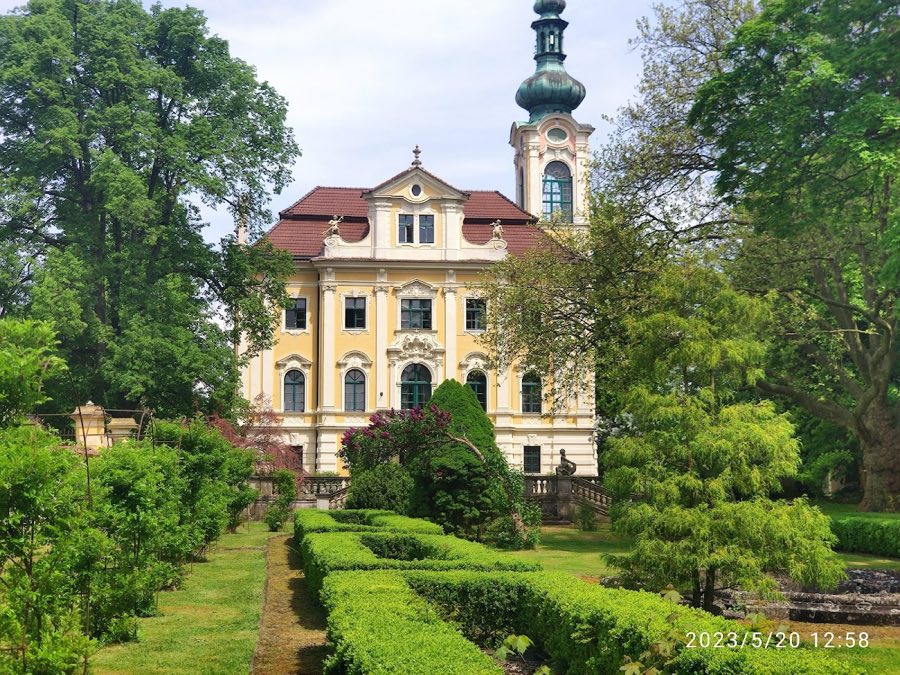
No. 96082
Zámek Horní Vidim
Czechia
CastleIntact15th century
No. 74003
Castle · Czechia
No. 74003 · 50.440 N, 14.577 E
Quick summary
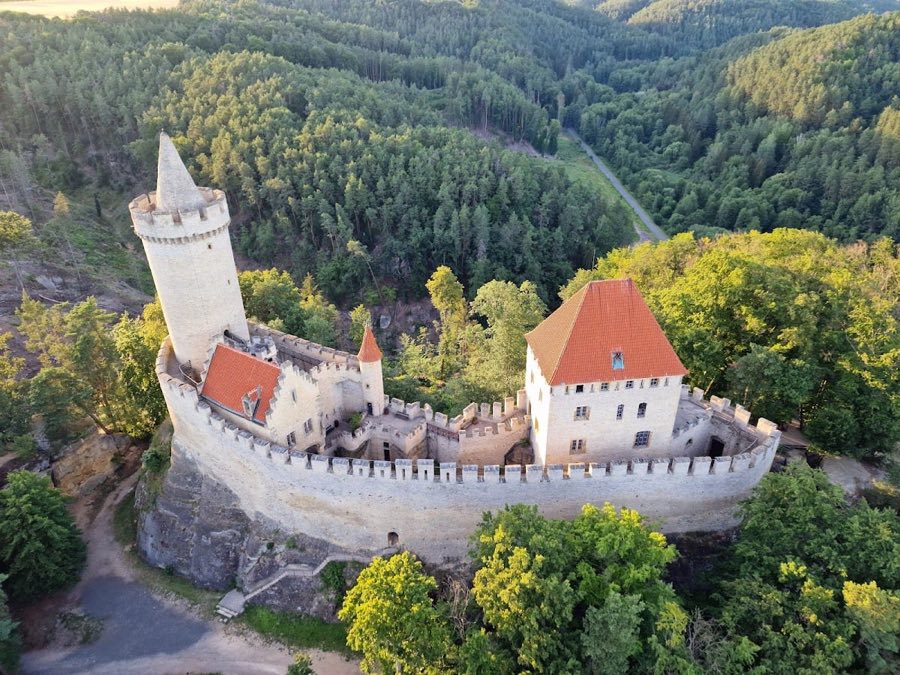
Kokořín Castle is a castle in Czechia with origins associated with the 15th century.
See all castles in CzechiaKokořín Castle is located in the municipality of Kokořín in the Czech Republic. It was constructed after the year 1320, most likely by Hynek Berka of Dubá, who served as a burgrave of Prague. The castle was built by a medieval Bohemian noble family as a fortified residence, strategically placed on a sandstone rock formation overlooking the Kokořín mining region.
The castle played a role during the Hussite Wars of the early 15th century. In 1426, Hussite forces attacked, captured, and destroyed the fortress, marking a significant turning point in its early history. After this destruction, Kokořín Castle underwent reconstruction and subsequently passed through the hands of various noble owners. These included the Berks of Dubá, descendants or relatives of the original builders; Jan Řitka of Bezdědice; the Lords of Klinštejn; the Beřkovští of Šebířov; and later the Kaplíř family of Sulevice.
From the early 1500s, the castle ceased to be regularly occupied and entered a phase of gradual decline. By 1544, records already described it as abandoned. Later, during the rule of Emperor Ferdinand II, Kokořín Castle was officially labeled a “cursed castle.” The emperor prohibited any maintenance or restoration, fearing its potential use against royal authority. This decree hastened the fortress’s decay.
Following the Battle of White Mountain in 1620, a decisive episode in Czech history, the castle was acquired by Albrecht von Wallenstein, a powerful military leader who incorporated it into his northern Bohemian estates. After Wallenstein’s assassination in 1634, his properties, including Kokořín, were confiscated and transferred to General Jan Böck in 1636. Throughout the Thirty Years’ War and afterward, the castle lost its military significance and soon fell into ruin.
In the 19th century, Kokořín Castle became an inspiration for artists of the Romantic period such as Karel Hynek Mácha, Josef Navrátil, and Antonín Mánes, who were drawn to its picturesque remains. The ruins were purchased in 1894 by Václav Špaček. His son, Jan Špaček, spearheaded a Neo-Gothic restoration between 1911 and 1918, with architect Eduard Sochor redesigning the castle in a style evocative of medieval romanticism.
The castle was nationalized in 1951 under the Czechoslovak socialist regime but was returned to the Špaček family in 2006 after being declared a national cultural monument in 2001. Throughout these changes, Kokořín Castle has remained a prominent historical site reflecting various chapters of Bohemian history.
Kokořín Castle is built directly upon a sandstone rock formation which shaped its distinct crescent-like layout. This natural foundation dictated the castle’s crescent-shaped central core, which is enveloped by a tall stone curtain wall topped with a battlement walkway and several defensive towers.
No. 96082
No. 21505
No. 36583
No. 43345
Comments
Comments for Kokořín Castle will require a verified account before posting.
We'll send a verification link before your first comment is published.