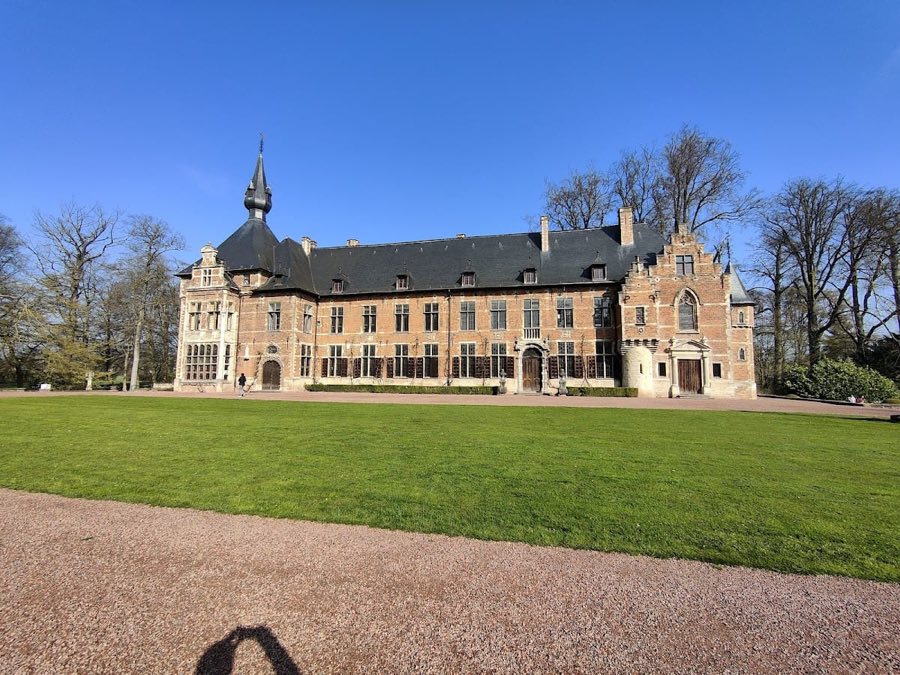
No. 52647
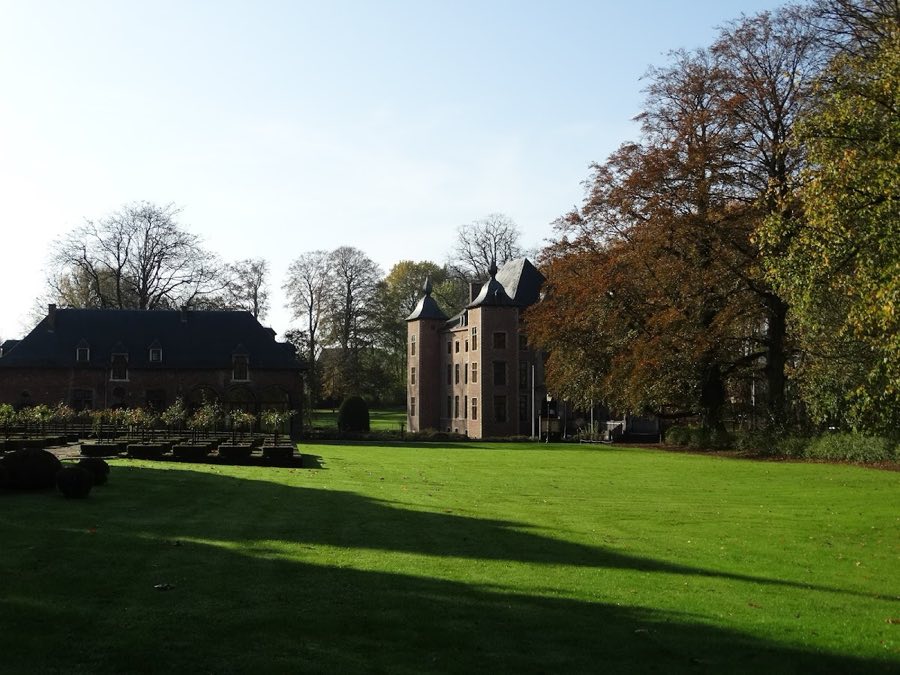
Groot-Bijgaarden Castle
Belgium
CastleRestored12th century
No. 33653
Castle · Belgium
No. 33653 · 50.871 N, 4.171 E
Quick summary
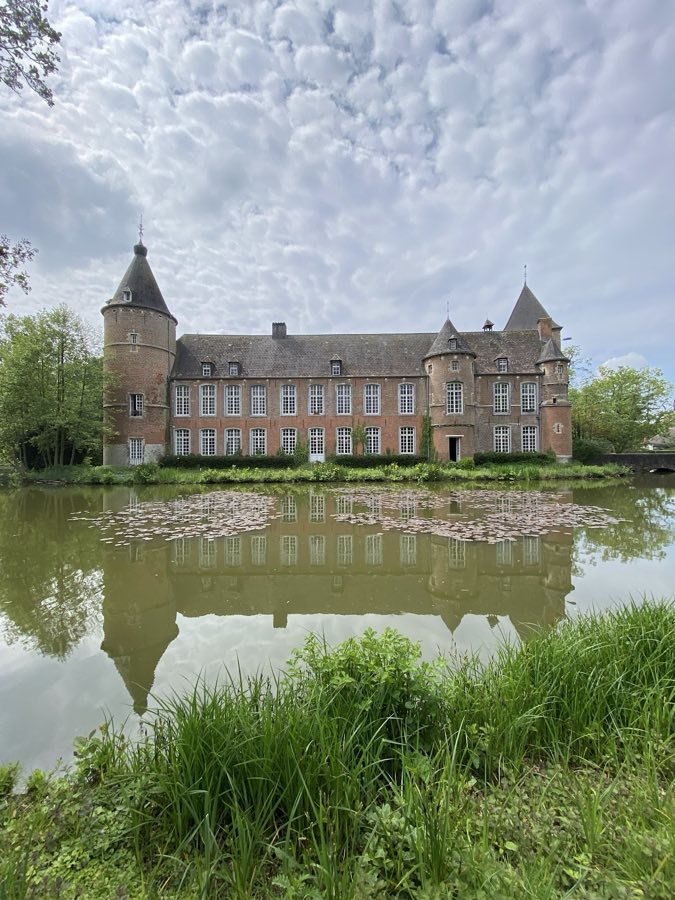
Kruikenburg Castle is a castle in Belgium with origins associated with the 12th century.
See all castles in BelgiumKruikenburg Castle in Ternat, Belgium, is a medieval fortress established by the lords of Wezemaal within the Duchy of Brabant. Its origins reach back to the early 1100s with a watchtower, later developing into a stronghold and a residence whose fabric dates from the later Middle Ages and which received major remodelling in the 1500s and again in the 1700s. The site mattered because of its position near the border with the County of Flanders and because it became the seat of locally important noble families and episodes of armed conflict.
In the early 12th century the lords of Wezemaal built a watchtower at what was then part of Wambeek, a construction that was recorded as having harmed the interests of the abbey of Nivelles and that may have been undertaken at the urging of the duke in Leuven. Positioned close to the Flemish frontier, the tower also carried strategic value for the Duchy of Brabant.
During the 14th century Everaard t’Serclaes, a Brussels knight and municipal official, acquired the lordship and made the site his home. In 1356 he expelled a Flemish garrison that had been sent by forces of Count Louis of Male, and he transformed the existing fortification into a moated residential castle. While resident at Kruikenburg he had an ice cellar constructed at the junction of Sterrelaan and Statiestraat and is associated with a covered passage linking the castle to Saint Gertrude’s church. Everaard later entered into a feud with Sweder d’Abcoude, lord of Gaasbeek, and was murdered; he was buried in the church opposite the castle.
From the 1500s to the 1800s the De Fourneau family lived at Kruikenburg, enlarging the defensive works and, in the 1700s, converting the complex into a more domestic residence. In 1662 the lord of Kruikenburg under the De Fourneau line was raised to the rank of count. Under French rule the county as an administrative entity was abolished, though the castle itself remained standing. In the early 20th century the De Lichtervelde family occupied the house. Later in the twentieth century the property was used by the Lassalian Brothers, who placed part of a primary school, De Brug, within the castle complex. The castle is now a protected monument and the surrounding park belongs to the municipality of Ternat. Local civic emblems preserve the site’s heraldic legacy: earlier municipal colours referenced the arms of Count t’Serclaes and the municipality’s post-1976 coat of arms displays the De Fourneau arms beneath an image of Saint Gertrude.
Kruikenburg stands in a U-shaped arrangement formed by three wings around a central courtyard, the plan produced by medieval construction and later rebuilding in the 1500s and 1700s. Cylindrical towers mark the corners while the gateway rises in a square tower. On the inner yard a series of rounded arches display characteristics of Romanesque (rounded-arch, early medieval style) workmanship, showing the survival of fabric from the castle’s earlier phases.
Parts of the outer perimeter wall date to older building campaigns and were renewed in the 1600s, at which time narrow openings were enlarged into wider window bays. At the main entrance metal hooks remain that once fastened a drawbridge, leaving visible evidence of the site’s former defensive arrangements. The castle was originally surrounded by water, a moat making it a watercastle (a castle encircled by water), but the surrounding water was later drained and the former moat area now contains a parking space and a children’s playground.
An ice cellar, called a glacière, stood at the junction of Sterrelaan and Statiestraat though that feature has been removed. A covered passageway linked the castle to Saint Gertrude’s church; this connection is now closed and repurposed as a wine cellar. Decorative details record local tradition: a roughly carved jug that once topped several towers has been replaced in recent years, and a gilded jug with a weather vane now crowns the entrance tower as a reference to those earlier elements.
Late in the twentieth century a primary school building was added alongside the castle and modest service structures such as toilets and storage have been inserted. A newly built stairwell provides permanent access to the upper floor because historically the upper level had been reached only by ladder through an opening in the ceiling. The castle stands as a protected monument and the park around it is municipal property, accessible to the public.
No. 52647
No. 14523
No. 78154
No. 72112
Comments
Comments for Kruikenburg Castle will require a verified account before posting.
We'll send a verification link before your first comment is published.