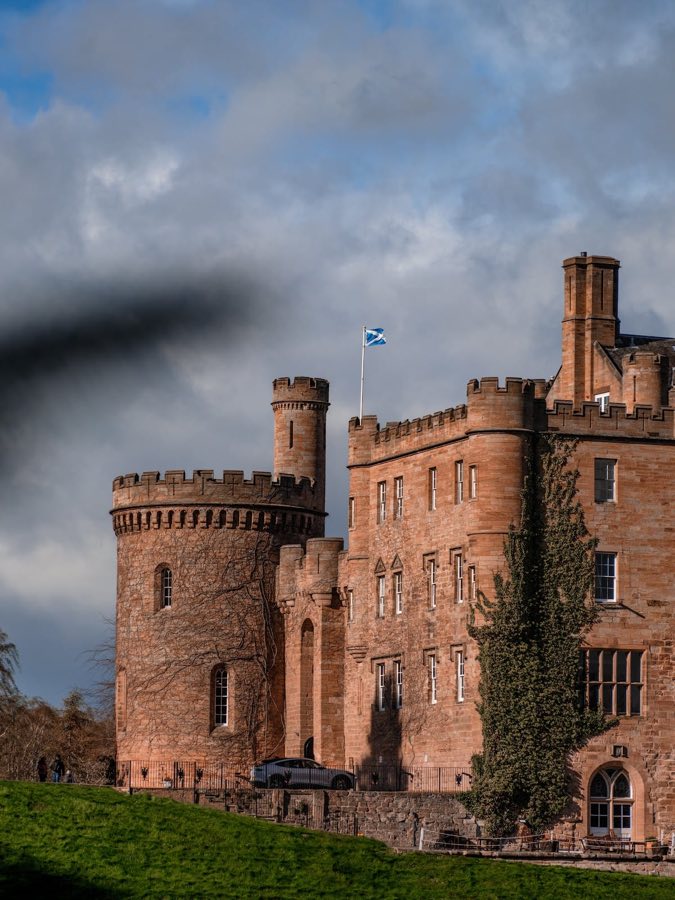
No. 21534
Dalhousie Castle
United Kingdom
CastleRestoredFor rent17th century
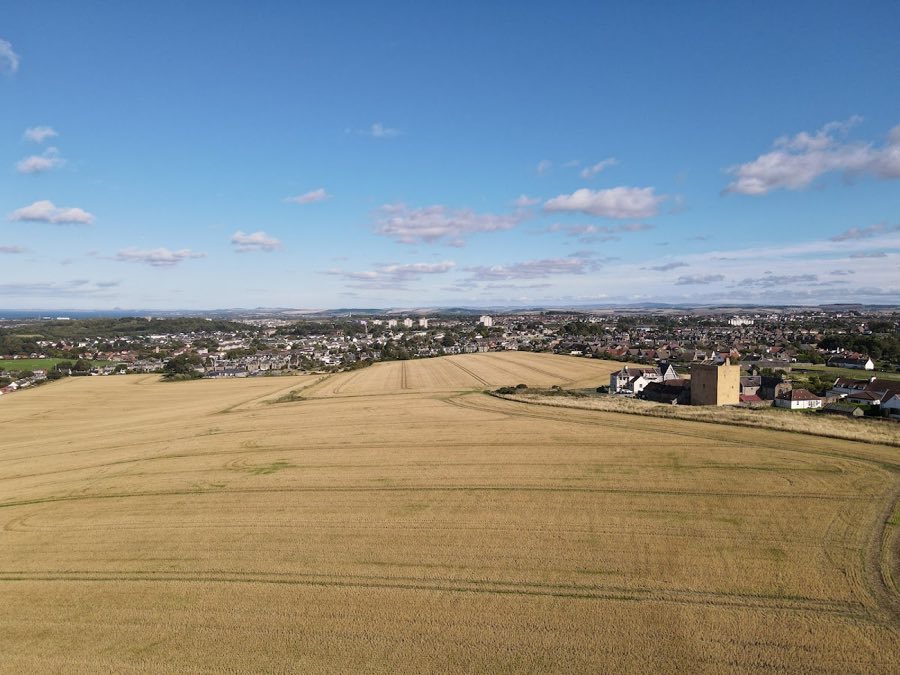
No. 36590
Tower house · United Kingdom
No. 36590 · 55.915 N, 3.177 W
Quick summary
Liberton Tower is a tower house in United Kingdom with origins associated with the 15th century.
See all castles in United KingdomLiberton Tower stands in Liberton, a suburb of Edinburgh, Scotland, and was constructed by Scottish builders during the 15th century. This four-storey tower house represents the type of fortified home common to Scotland’s nobility of the time.
The earliest recorded ownership of Liberton Tower dates to the Dalmahoy family, who held the property from at least 1453. The Dalmahoys’ presence is marked by their family coat of arms carved into a panel on the tower’s south wall, serving as a visible reminder of their connection to the site. Following the Dalmahoys, the estate passed to a branch of the Forrester family from Corstorphine, reflecting shifting ownership among local gentry.
In the late 16th century, ownership transferred to William Little, who twice served as Provost of Edinburgh, in 1586 and again in 1591. Little constructed nearby Liberton House and chose to abandon the tower as a residence in 1610. Afterward, Liberton Tower was adapted for agricultural purposes, showing a significant change in its role from noble dwelling to farm storage.
During the mid-17th century, evidence links the tower to the violent episodes of Oliver Cromwell’s invasion of Edinburgh amid the Anglo-Scottish War. Charcoal deposits, damaged structural elements, and cannonballs found in the fields nearby indicate the tower was involved in military action around 1650. The removal of the tower’s parapets likely resulted from this conflict, reflecting the physical impact of the fighting on the building.
In modern times, Liberton Tower has undergone restoration, most notably in 1994, and is recognized as a Category A listed building, a status granted in 1966 that marks it as a site of national historic importance.
Liberton Tower is a four-storey stone structure with a rectangular footprint measuring about 10.6 meters from east to west and nearly 7.9 meters from north to south. The tower’s design is characteristic of 15th-century Scottish fortified homes, featuring small windows placed asymmetrically and an exterior coated in yellow harling—a traditional lime-based protective render that gives the tower its distinctive, sober appearance.
Constructed with sturdy masonry, the tower retains much of its original fabric, demonstrating careful preservation and restoration efforts, especially those undertaken in 1994. Its exterior remains mostly plain and unornamented aside from the south wall, which prominently displays a carved panel bearing the Dalmahoy family arms. This decorative feature directly connects the building to its earliest known owners.
Among the surrounding landscape, archaeological findings include cannonballs discovered in nearby fields. These artifacts, alongside visible damage such as the removal of the original parapets (low protective walls lining the roof), imply the tower endured conflict in the 17th century. The structural wear and charcoal remains inside the building further attest to its involvement in the military actions of that period.
Today, the tower stands in a well-preserved state, with restoration having maintained its medieval form and character. While it no longer serves as a defensive residence, the stonework and surviving features offer a tangible link to its centuries-old history.
No. 21534
No. 27133
No. 10414
No. 23282
Comments
Comments for Liberton Tower will require a verified account before posting.
We'll send a verification link before your first comment is published.