No. 76081
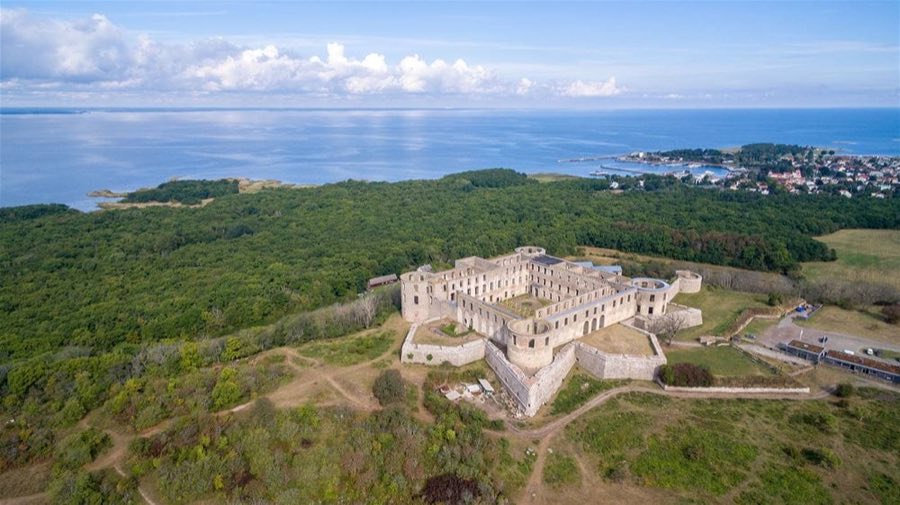
Borgholm Castle
Sweden
CastleRuin12th century
No. 42748
Castle · Sweden
No. 42748 · 57.321 N, 18.419 E
Quick summary
Lojsta Castle is a castle in Sweden with origins associated with the 20th century.
See all castles in SwedenLojsta Castle in Hemse, Sweden, is the ruined remains of a medieval fortified estate that stood on an island in one of the Lojsta Lakes. The site dates to the Middle Ages and functioned as a defensive stronghold rather than a palacelike manor. It became historically notable because it served as a base for the Vitalians, a group of pirates who backed the captured Swedish king Albert of Mecklenburg and used Gotland as their operating area.
During the medieval period the island stronghold was occupied and defended from the surrounding water, and access to the mainland was controlled by a bridge that could be drawn up. In 1404 the Teutonic Knights defeated the Vitalians and forced them to give up this fortress along with two other fortified sites on Gotland. After that military action the Vitalians no longer held control of Lojsta Castle.
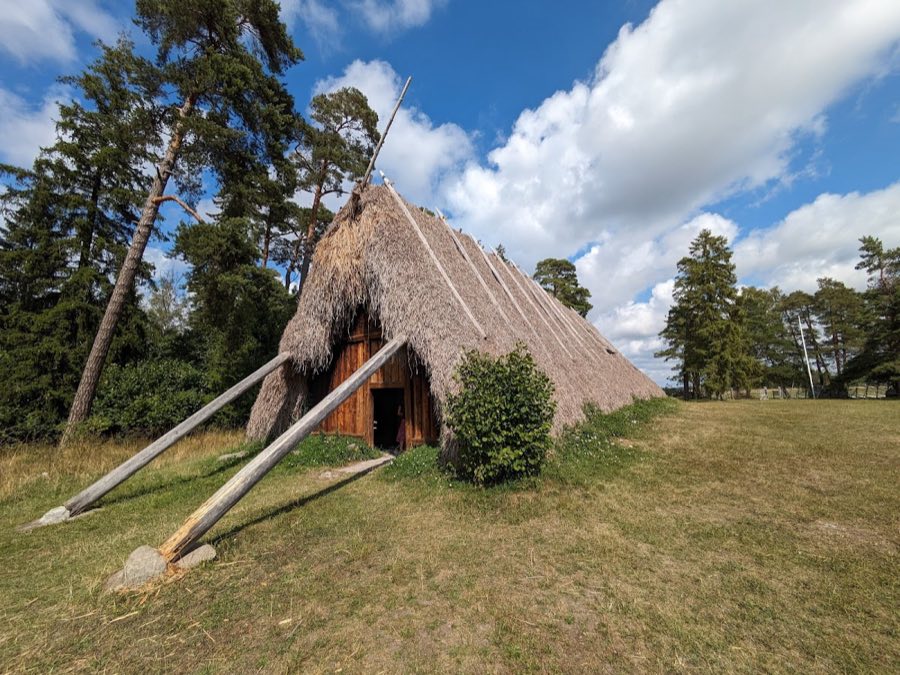
Early in the 20th century investigators examined the ruins, but some conclusions from those surveys, for example the claim of three house foundations inside the fortification, are now questioned. In 1929 an Iron Age building foundation about 150 metres northeast of the castle was excavated by John Nihlén, and on that foundation a reconstruction called the Lojsta Hall was erected in 1932. Finds from the foundation indicate occupation during the Migration Period; parts of two log boats were recovered, and the reconstructed hall was interpreted as a place where people lived together with animals, where livestock was kept, and where trade formed an important part of daily life.
The site presents the footprint of a timber-built estate protected by earthworks and water. The defensive arrangement combined a dug moat with an embankment and a timber palisade to separate an inner courtyard from the surrounding landscape. The moat was excavated to a length of roughly one hundred metres, its width varying between three and ten metres, and its maximum depth reaching about 1.7 metres. Portions of the bridge used to connect the island to the mainland remain visible, and the location that once required a drawbridge can now be reached on foot.
Within the enclosure the domestic buildings were wooden and are interpreted as long houses roughly twenty to thirty metres long and around ten metres across. The construction relied on timber rather than stone, and today no visible house structures survive above ground. Early twentieth-century surveys reported internal foundations, but those particular interpretations have been called into question in later assessments.
The fortress occupied an island that lay between what are now Slottsträsk and Broträsk lakes. Water levels have changed since the medieval period; the lake surface is estimated to sit about 2.5 metres lower than it did in medieval times, and the larger medieval lake has been divided into three smaller bodies of water. About 150 metres to the northeast a preserved foundation measuring thirty by sixteen metres supports the reconstructed Lojsta Hall. Excavation in 1929 recovered Migration Period material including parts of two log boats, and the 1932 reconstruction shows a reed-thatched building intended to reflect the house that once stood on that foundation. The interpretation for that hall emphasizes mixed human and animal occupation, livestock keeping, and active trade as aspects of life there.
No. 76081
No. 25508
No. 34330
No. 47220
Comments
Comments for Lojsta Castle will require a verified account before posting.
We'll send a verification link before your first comment is published.