No. 96238
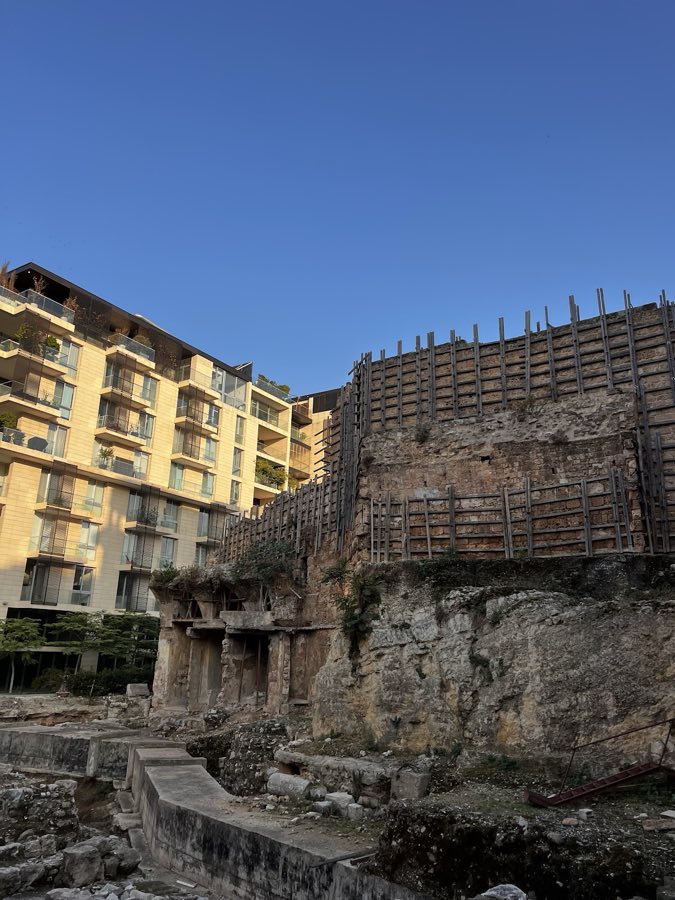
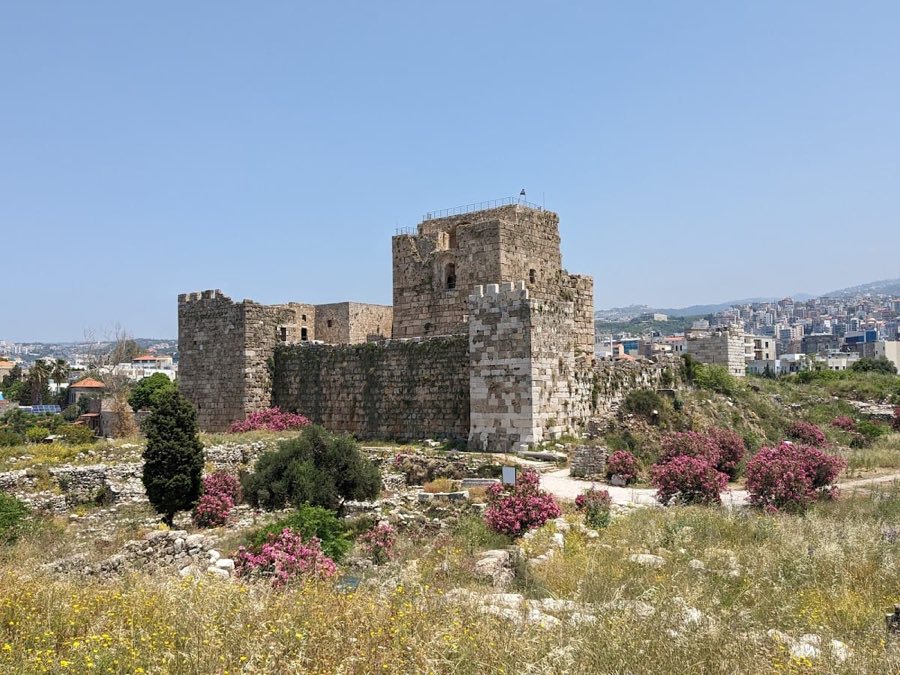
Beirut Castle
Lebanon
CastleRestored12th century
No. 15373
Castle · Lebanon
No. 15373 · 33.701 N, 35.584 E
Quick summary
Moussa Castle is a castle in Lebanon with origins associated with the 20th century.
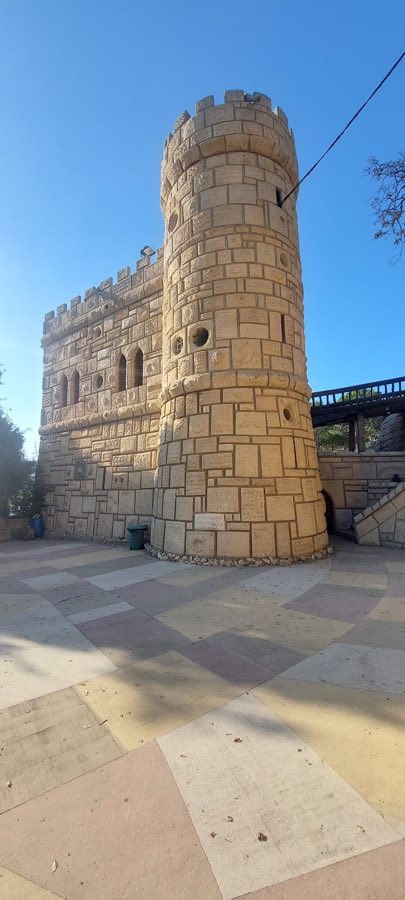
See all castles in LebanonMoussa Castle is situated on a hill between the towns of Deir el Qamar and Beiteddine in Lebanon. Unlike medieval castles which were built centuries ago by dynastic rulers or military leaders, this castle was constructed in the 20th century by a Lebanese individual inspired by historical architecture. It stands today as a unique example of a personal vision realized in stone during modern times.
The story of Moussa Castle begins with its creator, Moussa Abdel Karim Al Maamari, born in 1931. From a young age, Moussa was captivated by medieval castles and began dreaming of building one himself. This ambition was partly sparked by a local custom: A girl Moussa admired could only marry someone who owned a castle. Motivated by this personal challenge, Moussa dedicated much of his life to making that dream a reality.
Before embarking on the construction of his own castle, Moussa gained valuable experience over many years restoring historical buildings. Starting in 1947, he worked with Emir Maurice Chehab on renovating and excavating fortresses for Lebanon’s National Museum in Beirut. He later contributed to restoration projects at Beiteddine Palace under the leadership of Emir Bashir Chehabi II. These experiences deepened Moussa’s knowledge of traditional Lebanese and medieval structures and influenced the design of his own castle.
Moussa began laying the foundation stone of the castle in 1962 and continued to build and refine it over the next several years, completing the main construction by 1969. Throughout this time, the castle was a personal project reflecting Moussa’s ideals and beliefs, with each stone symbolically embodying aspects of his vision. Moussa chronicled his life story and the castle’s creation in his book, *Le Rêve de ma vie* (The Dream of My Life). Recognized for his dedication and craftsmanship, he received honors such as knighthood in Lebanon’s National Order of the Cedar and membership in the Patriarchal Order of the Holy Cross of Jerusalem. Moussa passed away in early 2018, leaving behind his lifelong work as a testament to individual creativity inspired by Lebanon’s cultural heritage.
Moussa Castle covers an area of roughly 3,500 square meters on a hillside between Deir el Qamar and Beiteddine, designed in a style reminiscent of medieval fortresses but created entirely by Moussa himself. The structure features towers, defensible ramparts, and a moat crossed by a functioning drawbridge, all constructed using traditional stone masonry. Moussa personally set approximately 6,500 stones during the castle’s construction, demonstrating meticulous craftsmanship and attention to detail.
Within the castle walls, visitors can find numerous clay sculptures crafted by Moussa that depict scenes from rural life in 19th-century Lebanon. These figures bring to life everyday moments through representations of community members such as a baker, a hookah smoker, and a schoolmaster, providing a window into historical village customs and occupations. The inclusion of these sculptures adds a narrative dimension to the castle’s interior, reflecting Moussa’s intent to capture cultural memory alongside architectural form.
The building materials and design choices prioritize Moussa’s personal vision rather than strict historical accuracy. While the castle evokes medieval architecture through its fortifications and defensive elements, its style is more interpretive than authentic, blending various influences filtered through Moussa’s individual creativity. Since its completion in 1969, the castle has remained well preserved in its original form, maintaining the integrity of its stonework and interior arrangements as an enduring example of a 20th-century homage to Lebanon’s architectural past.
No. 96238
No. 22684
No. 52216
No. 31562
Comments
Comments for Moussa Castle will require a verified account before posting.
We'll send a verification link before your first comment is published.