No. 73369
Aspelt Castle
Luxembourg
CastleRestoredFor events11th century
No. 89627
Castle · Luxembourg
No. 89627 · 49.633 N, 6.259 E
Quick summary
Munsbach Castle is a castle in Luxembourg with origins associated with the 18th century.
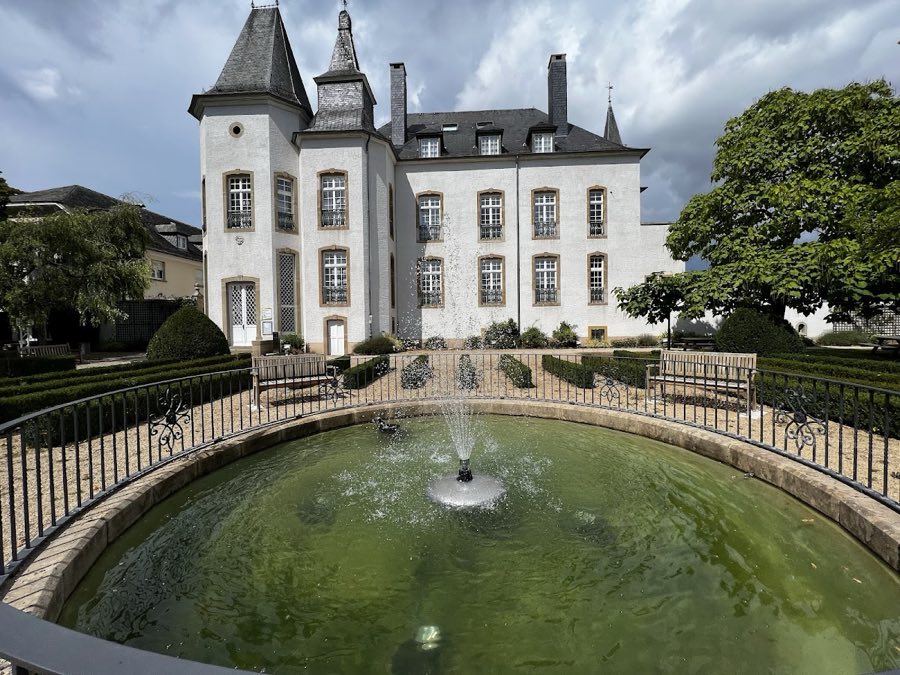
See all castles in LuxembourgMunsbach Castle in Munsbach, Luxembourg, is an 18th-century Baroque residence built in 1775. Erected as a manor house in the Baroque manner, the building later assumed the appearance and functions associated with a small castle, and over the centuries it served changing private and public roles that linked local industry, social welfare, and higher education.
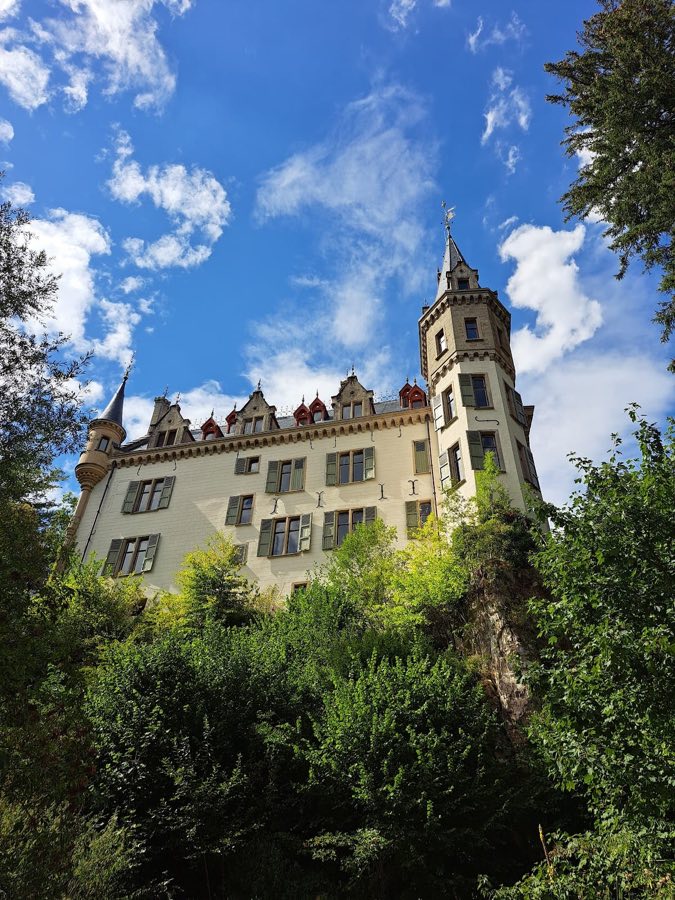
The house remained a manor through the 18th and 19th centuries. At the end of the 19th century the residence was altered to emphasize a castle silhouette, with two towers added and several separate outbuildings constructed around the main structure. These additions produced the compact complex that stands today, combining the original 1775 fabric with later, castle-like elements.
In 1927 ownership passed to the Zender-Angelsberg family, who ran a distillery on the premises and produced a liqueur known as Bernardine. During the Second World War the property changed hands again in 1943 when Gauleiter Gustav Simon acquired it and converted it into an orphanage. After the war the Luxembourg state continued to operate the orphanage until 1979.
From 1983 until 2006 the site was used by l’Institut d’Europe. Between 2002 and 2015 the buildings were administered by the Institut Universitaire International Luxembourg, which offered courses in business, European law and public sector management; a German account records that the institute retained its seat at the castle until 2018. The castle also hosted the European University Foundation Campus Europae, a university network promoting student exchange and multilingual study.
Today the castle functions as the administrative centre of the Centre for Social and Emotional Development. The centre developed the country’s first outdoor mindfulness trail, opened in 2021 by Claude Meisch in his role as Minister of National Education, Children and Youth, as a response to stress and emotional insecurity related to the COVID-19 pandemic. The property also accommodates the State Institute for Assistance to Children and Youth, described as the Service Treff-Punkt of the Ministry of Education. The main house itself is not open for public visits.
The ensemble comprises the late-18th-century main house set within a park, flanked by two towers and a number of separate service buildings that date from the late 19th-century conversion toward a castle form. The principal building retains its Baroque origin in overall date and style, while the towers and outbuildings reflect the later stage when the residence was reshaped into a castle complex. The complex has seen repeated reuse, serving industrial, welfare, and educational functions across the 20th and 21st centuries.
The grounds form a significant component of the site. The park contains a rose garden that preserves a collection of more than six hundred rose varieties, linked to Luxembourg’s early 20th-century rose-growing heritage when the country was a leading exporter. The rose beds are maintained and developed by volunteers from the Lëtzebuerger Rousefrënn association together with the local commune, and a Rose Fest is held there every September. The garden area is permanently open to the public without charge, while the castle building itself remains closed.
Several mature specimen trees within the park are listed on the official register of remarkable trees maintained by the Ministry of Environment. These include a chestnut, a purple-leaved beech, and a large oak, each identified by species name. In recognition of its cultural and landscape value, the park was entered on 8 September 2009 as an additional inventory item on the list of classified monuments. The site is also represented in historic paintings by Jean-Baptiste Fresez and Nicolas Liez, which record its appearance in earlier artists’ views.
No. 73369
No. 80930
No. 59544
No. 46236
Comments
Comments for Munsbach Castle will require a verified account before posting.
We'll send a verification link before your first comment is published.