No. 34835
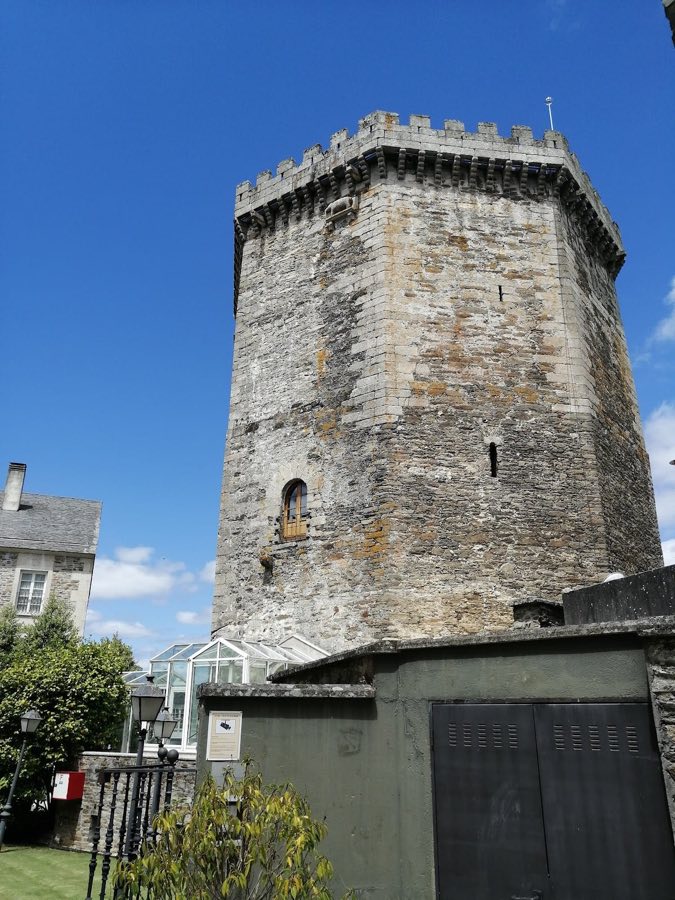
Castelo de Vilalba
Spain
CastleRestoredFor rent11th century
No. 51389
No. 51389 · 43.494 N, 8.059 W
Quick summary
Naraío Castle is a castle in Spain with origins associated with the 17th century.
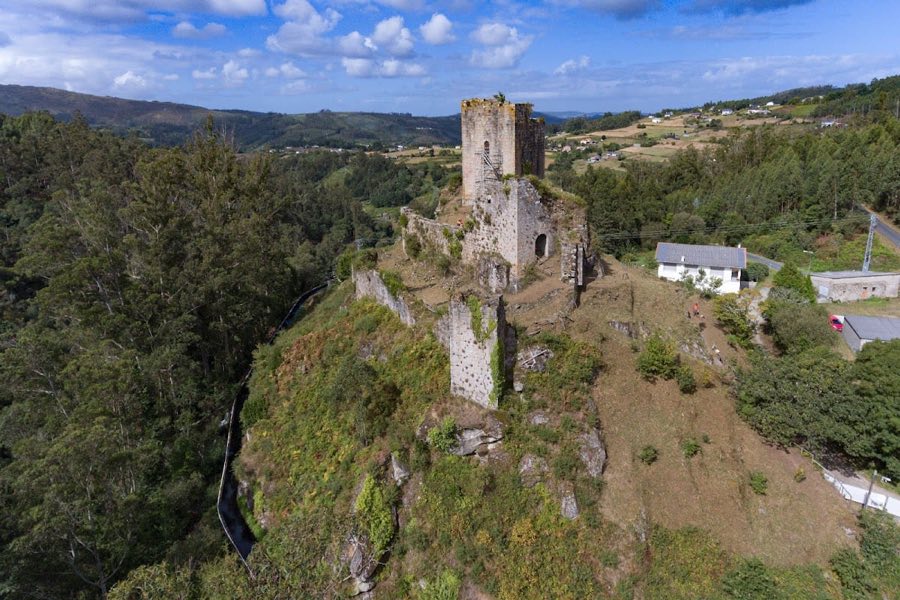
See all castles in SpainNaraío Castle is a medieval fortress located within the municipality of San Sadurniño in modern Spain. Constructed during the Middle Ages, it was established by the Galician nobility and has played a role in the regional power struggles of its time.
The castle originally belonged to Gonzalo Piñeiro, a nobleman who supported King Pedro I of Castile—often remembered as “Pedro the Cruel”—during the civil war against Henry II of Trastámara. Following Pedro I’s defeat, Henry II’s forces moved to consolidate control by pursuing the Piñeiro family. The last of the Piñeiro defenders met their end in a battle at Anca, marking the fall of their hold on the fortress.
As a reward for their allegiance, Henry II granted the castle and its surrounding lands to the Andrade family, a prominent noble house of Galicia. This change of ownership placed the fortress under new stewardship for several decades. However, historical records indicate that by 1527, the castle returned to the Piñeiro family, suggesting a recovery or restitution of their ancestral rights.
Over the 17th century, the castle lost its military relevance and was ultimately abandoned. Without ongoing maintenance or strategic importance, it gradually fell into ruin and became overtaken by surrounding vegetation along the riverbank.
Interest in the site resumed in the early 20th century when Andrés Avelino Comerma y Batalla, a Catalan engineer living in Ferrol, conducted the first modern study. He documented the layout of the castle and its surrounding groves, providing a basis for later archaeological work.
More recently, in 2007, a dedicated archaeological excavation and restoration project began under the leadership of Anxo Felpeto, an archaeologist based in Lugo. The castle was officially recognized as an Asset of Cultural Interest (Bien de Interés Cultural) in 1994. Today, the site remains under the ownership of the House of Alba, who have lent it to the regional government of Galicia for a thirty-year period to aid its preservation.
Naraío Castle’s ruins sit prominently on the banks of the Castro River, commanding views of the surrounding landscape. Its design reflects typical medieval defensive architecture, centered around a fortified courtyard known as the patio de armas, or inner courtyard, which would have been enclosed by walls providing protection for those inside.
Access to the fortress is gained by a staircase composed of stone and wood that leads visitors up to the surviving structures. The main entrance to the castle is a lintelled doorway that once served as the gateway for a drawbridge and a portcullis—a heavy, vertically sliding gate made of wood or metal designed for defense. Additional doorways are preserved in various states, some featuring rounded arches typical of Romanesque style, and others exhibiting slightly pointed or escarzano arches, a regional Gothic variation.
The keep, or tower of homage, remains a striking feature of the castle. This tower is divided into four distinct floors covered by a vaulted ceiling, a type of arched stone roof which was common in medieval construction to provide strength and fire resistance. The principal entrance to the keep is found high above the ground, approximately nine meters above the main gate level, which would have allowed defenders to control access. A smaller door opens on the lower floor, likely serving different internal functions.
On the southern wall of the tower stands a small twin window, split by a slender stone mullion supporting two semicircular arches, allowing light to enter but restricting enemy entry. Another notable feature is the latrine opening built into the tower’s walls and supported by corbels—stone brackets projecting from the wall. This provision shows attention to the inhabitants’ needs within the defensive structure.
Visitors crossing the original drawbridge would have entered directly into the courtyard, emphasizing a layered defense strategy, where attackers would be exposed within the enclosed space surrounded by walls and towers.
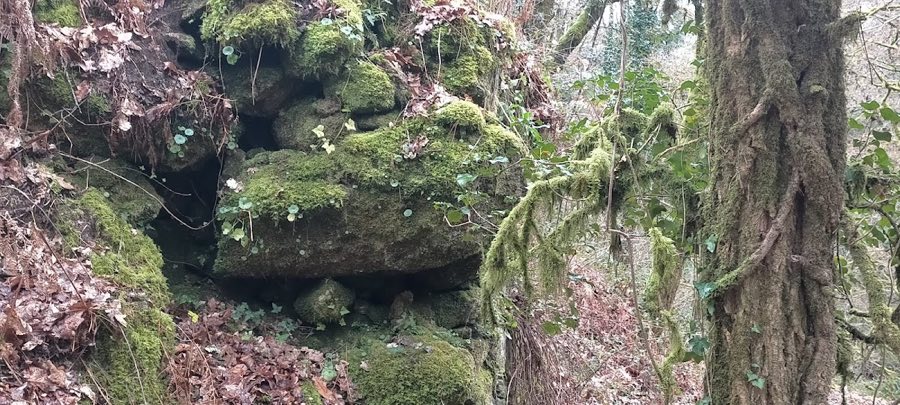
Today, the castle exists as a romantic, vegetated ruin, its stone remains blending with the natural riverside environment. Though fragmented, its surviving elements testify to its historical importance and medieval construction methods, preserved through modern archaeological study and conservation efforts.
No. 34835
No. 99623
No. 11334
No. 40787
Comments
Comments for Naraío Castle will require a verified account before posting.
We'll send a verification link before your first comment is published.