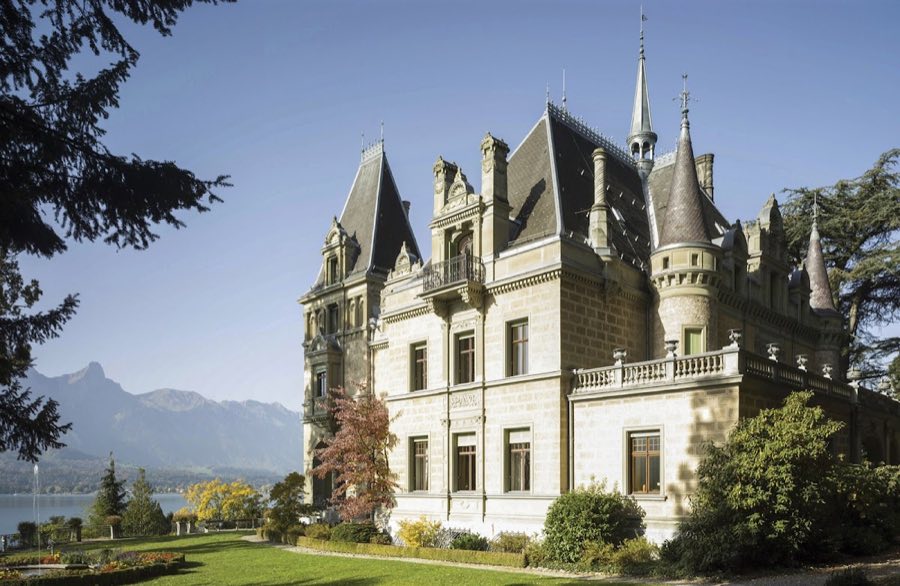
No. 23737
Hünegg Castle
Switzerland
CastleIntact19th century
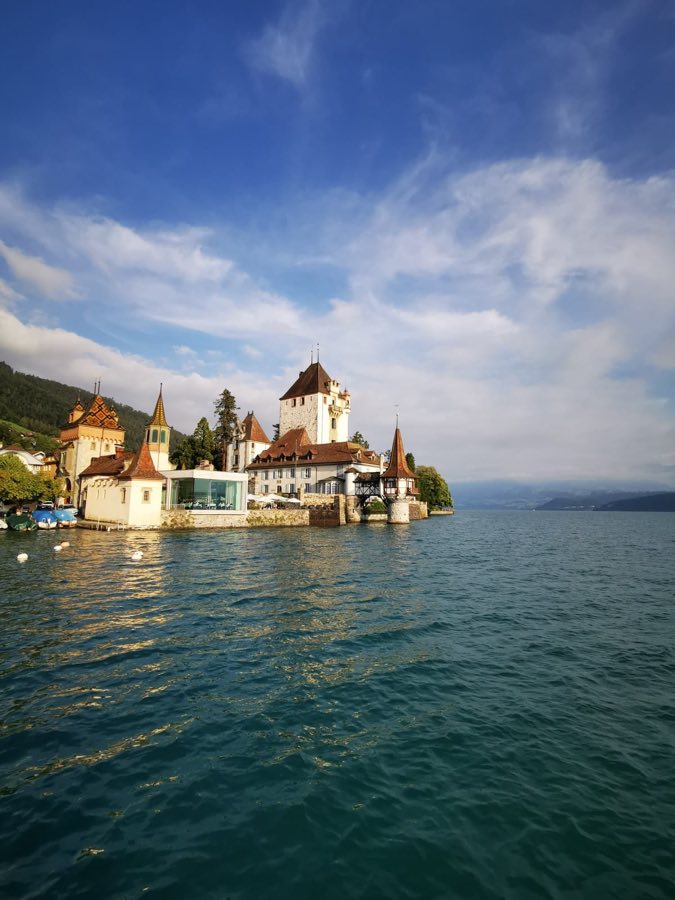
No. 29032
Castle · Switzerland
No. 29032 · 46.730 N, 7.669 E
Quick summary
Oberhofen Castle is a castle in Switzerland with origins associated with the 13th century.
See all castles in SwitzerlandOberhofen Castle is situated in the municipality of Oberhofen am Thunersee, Switzerland. It was originally established by medieval European nobility during the High Middle Ages.
The earliest recorded proprietor was Freiherr Werner von Oberhofen. Around the year 1200, his daughter Ita married into the von Eschenbach family. This family undertook the initial construction of a new moated fortress along the shores of Lake Thun in the 13th century, marking the foundational phase of the castle’s development.
In the early 14th century, specifically in 1306, the von Eschenbach family was forced to relinquish ownership, selling the castle and its lands to the Habsburgs. Under Habsburg rule, it was granted as a fief to Leopold I. Subsequent stewardship passed through a series of vassals, including the Kyburg family, reflecting the castle’s role within feudal governance.
Following the Habsburg defeat at the Battle of Sempach in 1386, the city of Bern moved to assert control over the territory. By 1397, Bern acquired all feudal rights to Oberhofen and transferred ownership to Ludwig von Seftigen, initiating a period where the castle changed hands among several Bernese patrician families. Prominent among these were the von Scharnachthal and von Erlach families.
When the male line of the von Erlach family ended in 1652, Bern assumed direct administration of Oberhofen. The castle became the official residence of the bailiff—the local administrator overseeing the bailiwick (an administrative district). This status continued until 1798, when French revolutionary forces invaded, resulting in political restructuring that ended Bern’s traditional control.
In the 19th century, the castle passed into private ownership. Between 1849 and 1852, the Pourtàles family carried out extensive renovations, reshaping Oberhofen Castle in the Romantic, or Neo-Gothic, style which was fashionable at the time. Later, in 1940, American lawyer William Maul Measey established the Oberhofen Castle Foundation to protect and manage the property. This foundation entrusted the castle’s care to the Bern Historical Museum in 1952, which subsequently opened the site to the public. Since 2009, the foundation has operated independently, continuing stewardship of the historic site.
Oberhofen Castle centers around a large fortified tower known as a bergfried, built around the year 1200. This keep measures approximately 11 by 12.5 meters, featuring robust stone walls about two meters thick, exemplifying medieval defensive architecture. The castle’s structure gradually expanded around this central tower through the centuries.
One key addition is the late medieval palas, a residential building that provided living quarters adjacent to the bergfried. On the side facing Lake Thun, a chapel was consecrated in 1473, reflecting the castle’s ecclesiastical functions during the late Middle Ages.
By the year 1680, the castle included a separate tower located directly in the lake, which was later dismantled after that date. The 19th-century renovations reinstated this water tower, rebuilding it in harmony with the castle’s overall aesthetic. During the same century, the castle underwent significant transformation in the Neo-Gothic style designed by architect James Colin. This involved adding distinctive corner towers, a clock tower, tiled roofs, battlements along the parapets, and extensive new outbuildings.
The water tower was specifically reconstructed and enhanced with a decorative spire at this time, contributing to the castle’s picturesque silhouette. Interior spaces were also lavishly updated between 1853 and 1855 by Bernese architect Theodor Zerleeder, who designed new features including an elegant dining hall, a grand hall for gatherings, a richly decorated library, and a Turkish-style smoking room inspired by affluent residences in Cairo.
South of the main buildings, a 2.5-hectare park was established during the 19th-century remodeling, creating landscaped grounds surrounding the estate. Today, the castle remains well preserved with its principal medieval and later elements intact.
Currently, the castle displays permanent exhibitions detailing its eight-century history alongside insights into the lives of the 19th-century household’s servants. Museum sections occupy the first and second floors, allowing comprehensive exploration of the site’s architectural and historical layers.
No. 23737
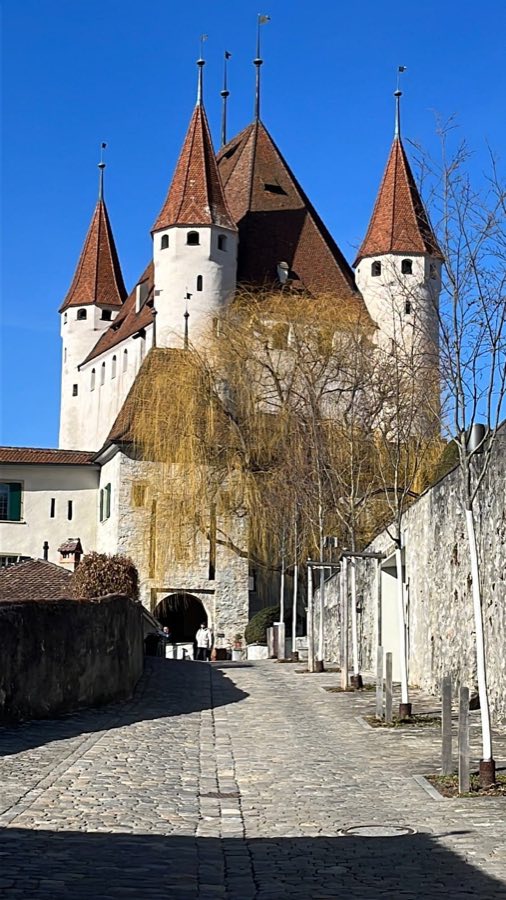
No. 30296
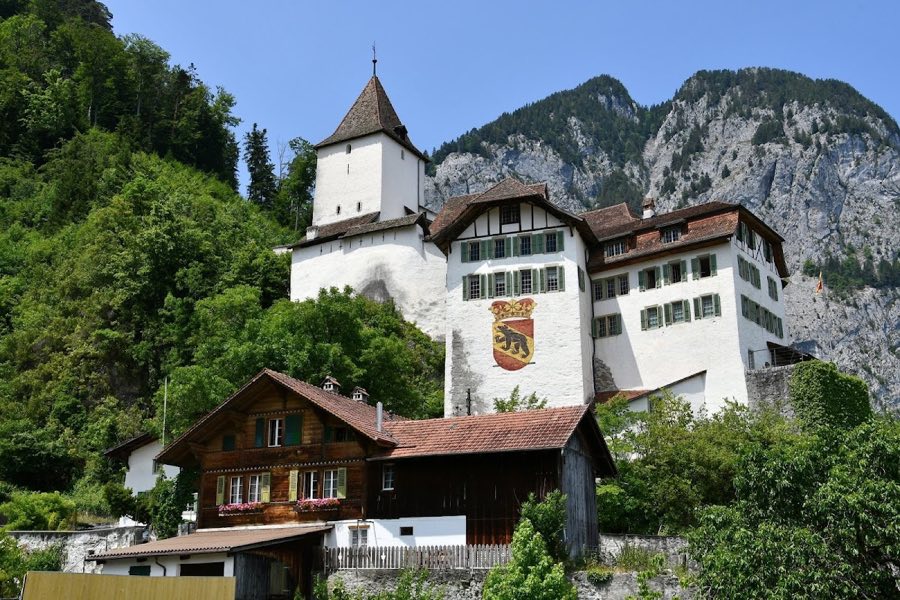
No. 80957
No. 29416
Comments
Comments for Oberhofen Castle will require a verified account before posting.
We'll send a verification link before your first comment is published.