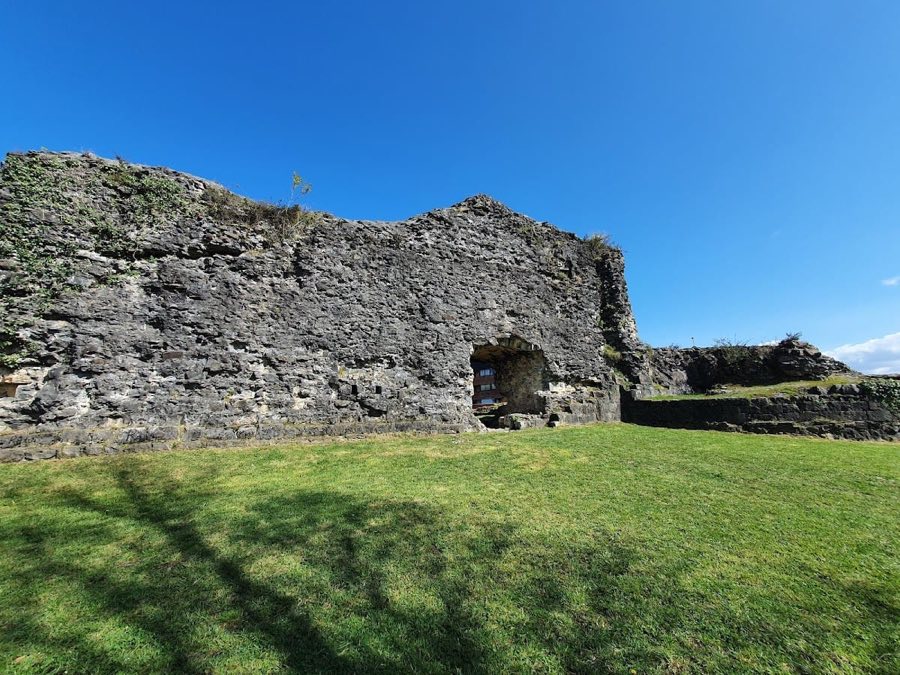
No. 46108
Gaztelu Zahar
Spain
CastleRuin16th century
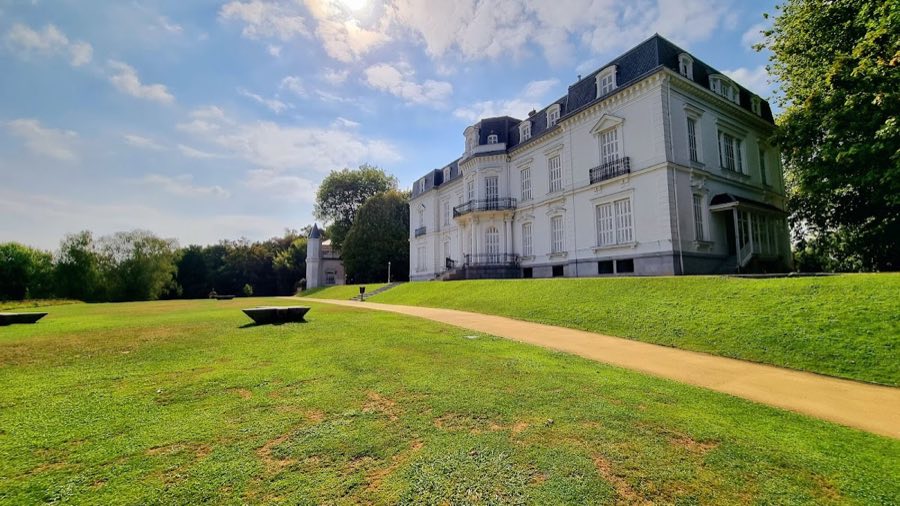
No. 72985
No. 72985 · 43.306 N, 1.992 W
For events
Palacio de Ayete is marked as a château or castle venue lead. Capacity, indoor/outdoor spaces, catering rules, and accommodation options are published only after public verification.
Event types: Private events, Cultural gatherings, Filming and photography
Quick summary
Palacio de Ayete is a palace in Spain with origins associated with the 19th century.
See all castles in SpainPalacio de Ayete in San Sebastián, Spain, is a 19th‑century residential palace built for Spanish aristocrats, the Dukes of Bailén, and executed in a neoclassical‑inspired manner. Erected in 1878 as a summer retreat, it quickly became part of the social and political life of the city because of its use by members of the Spanish royal family and later by the national government.
Work completed in 1878 produced a country house intended for seasonal use by its noble owners. Nine years after completion the municipal council attempted to acquire the property in order to offer it to the queen regent Maria Christina as a summer residence. During the late 19th century the building hosted royal personages: it served as a residence for Isabella II, Alfonso XII, Maria Christina and Alfonso XIII until the Miramar Palace was built in 1893. On 27 March 1889 the palace received Queen Victoria of the United Kingdom as a guest.
Through inheritance the house formed part of the Basa family’s dowry from the Travesedo marriage. The family vacated the building in 1939 because of the Spanish Civil War and relocated to Ondarreta, to a villa then known as Villa Emilia and later called Itxas‑ertz. In 1940 the heirs of the previous owner sold the property to the city council. The municipality passed it on to the Head of State, and Francisco Franco used the palace as his August residence from 1940 until 1975; national Councils of Ministers met there during that period. From the palace Franco left for his trip to Hendaye to meet Adolf Hitler, and in its salons he decided on a policy shift toward the United States.
After the Franco years the city undertook rehabilitation of the interior. The building now functions as a civic centre for peace and human‑rights work and the gardens and palace were formally protected as a Cultural Asset in the category of Monumental Ensemble by the regional government, the designation published in the official regional gazette on 13 November 2006. On 17 October 2011 the site hosted the International Peace Conference of San Sebastián (Aiete), attended by international figures including Kofi Annan, Bertie Ahern, Gro Harlem Brundtland, Pierre Joxe, Gerry Adams and Jonathan Powell, together with representatives of Basque political parties (Basque Nationalist Party, PSE, Eusko Alkartasuna), trade unions (ELA, LAB, UGT, CCOO) and major French parties (Union for a Popular Movement, Socialist Party, Democratic Movement).
The palace stands within an extensive cultivated landscape that was created to accompany the house. The main building dates to 1878 and reflects a nineteenth‑century neoclassical inspiration; its interior has been restored by the municipal authorities and adapted for use as a centre dedicated to peace and human‑rights activities.
Surrounding the house are gardens that cover 74,000 square metres and were laid out for the residence by a royal gardener educated in the French tradition. The planting follows a picturesque, irregular arrangement shaped to the slopes, with winding paths and small ponds. Built elements within the grounds include dovecotes, ornamental grottos and several small bridges. The scheme preserved existing trees, introduced exotic specimens and grouped plantings to create distinct spatial volumes and framed views, while opening a large lawn area toward the sea so that the house reads against that open prospect.
The city altered the northern sector of the grounds to insert a semi‑buried cultural building, changing the original boundary of the garden there. Today the principal historic components remain in use: the palace interior has been rehabilitated for the civic function, and the park with its winding routes, water features and garden structures survives as the designed setting for the nineteenth‑century residence.
No. 46108
No. 90137
No. 79083
No. 44549
Comments
Comments for Palacio de Ayete will require a verified account before posting.
We'll send a verification link before your first comment is published.