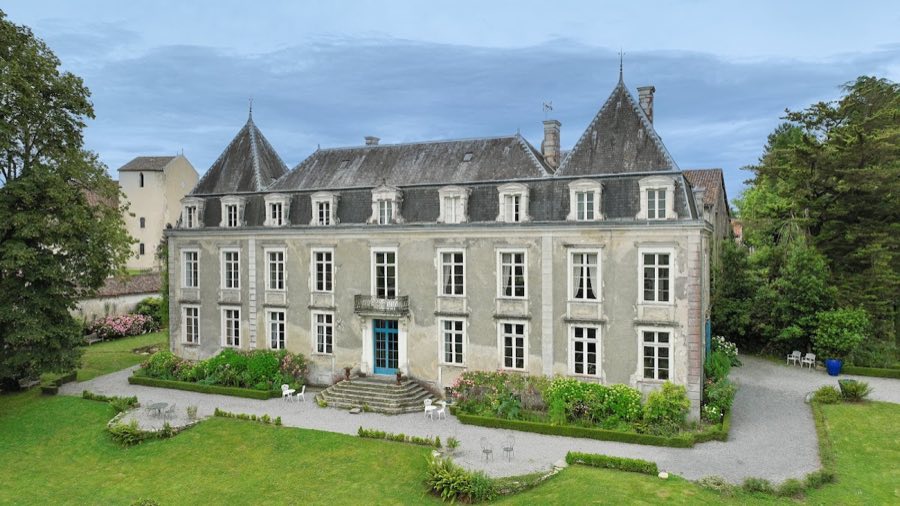
No. 95464
Château d'Estrac
France
ChâteauRestoredFor events14th century
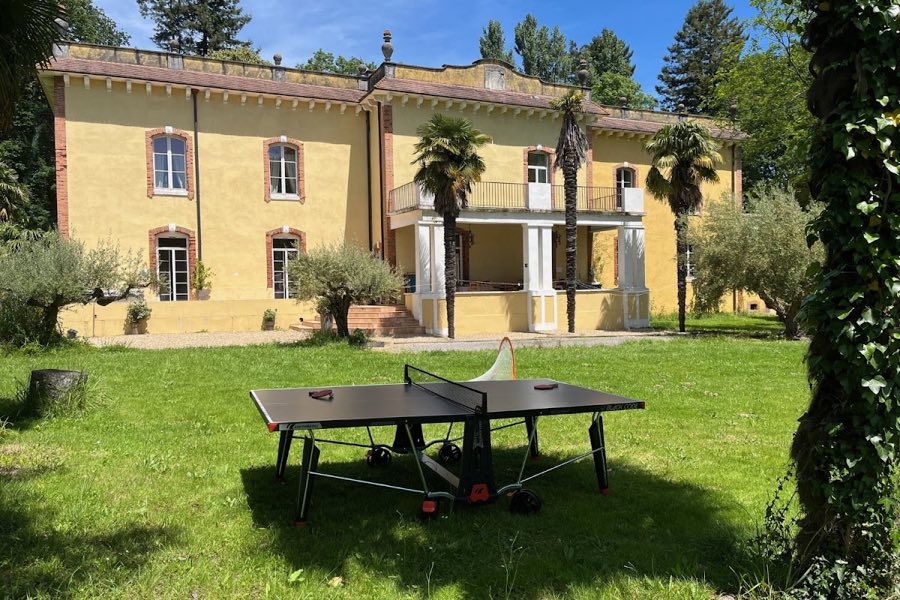
No. 44549
Château · France
No. 44549 · 43.535 N, 1.296 W
For events
Château de Larunque is marked as a château or castle venue lead. Capacity, indoor/outdoor spaces, catering rules, and accommodation options are published only after public verification.
Event types: Private events, Cultural gatherings, Filming and photography
Quick summary
Château de Larunque is a château in France with origins associated with the 19th century.
See all castles in FranceThe château de Larunque in Saint-Laurent-de-Gosse, France, is a historic country residence that emerged under French ownership in the late 19th century, and today reflects an Italian Renaissance-inspired appearance created during a late 20th-century rebuilding. The site began as a rural estate in the 1600s known as Larenque, a farm that was linked to the nearby Château de Lagurgue. Over centuries it remained part of local landed property before being transformed into a purpose-built residence in the 1800s.
Around 1870 Xavier de La Croix de Ravignan had a prestigious house erected on the land he had inherited, marking the estate’s transition from farming holdings to a gentleman’s home. In the early decades of the 1900s his daughter Marie-Antoinette, who married Raymond Merle de la Brugière de Laveaucoupet, adapted the property to serve as a secondary family residence, using it for leisure and seasonal use rather than primary domestic life. The estate remained in that family line until it was sold in 1957.
After 1957 the château passed through a series of private hands. Owners included a former colonial army colonel who had served in Morocco, a teacher active in French cooperation efforts in Africa, and later a real-estate developer from Bayonne. In 1977 a major fire gutted much of the building, and the house stood empty for an extended period following that damage.
In 1993 an entrepreneur with an interest in the arts bought the property and set about an ambitious restoration that reopened the site as a centre for artistic activity, taking visual cues from Italian Renaissance models. Work carried out between 1993 and 1995 rebuilt and reimagined the house and grounds, and the estate later changed hands again, first to a British businessman and then to a professional jockey. In 2021 new ownership refocused the property toward low-carbon lodging and meetings, and the site obtained the European Ecolabel in 2024. The château now operates as an environmentally minded retreat hosting themed stays, professional seminars, and cultural events.
The present complex is organized as a restored residence with park-facing grounds and elements added or altered during the 1990s rebuilding. The overall look dates to the post-1977 reconstruction phase, which reshaped the exterior and sequences of movement through the house to reflect Italianate compositional ideas. Large exterior terraces, statuary and formal stair access to the main floor were created at that time to link the house visually and physically with its landscaped setting.
A prominent interior stairway gives access to principal rooms and was installed as part of the late 20th-century work; it reads as a monumental staircase and serves both ceremonial and practical circulation functions. Roofline sculpture includes an acroterion (a decorative rooftop ornament), and several freestanding statues appear on the exterior cornice and terraces. These elements were introduced during the restoration and remain in place as part of the building’s current appearance.
Within the grounds an Italian-style theatre was created, originally conceived with a wooden balcony that provided a viewing gallery. Over time this performance space has been adapted for domestic use and now functions as a bedroom or a quiet room for meditation, showing how parts of the estate have been repurposed while retaining their staged, theatrical character. The theatre interior preserves its raised audience area and the wooden balcony structure, though its use has shifted.
Modern systems installed to support the estate’s environmental aims are integrated into the fabric of the property. A biomass heating system supplies low-carbon heat, and an electric vehicle charging point serves guest mobility needs. Waste reduction measures and onsite programs to raise awareness about the environment are implemented in the estate’s operations. These installations accompany the restored historic spaces and are active components of the site today.
No. 95464
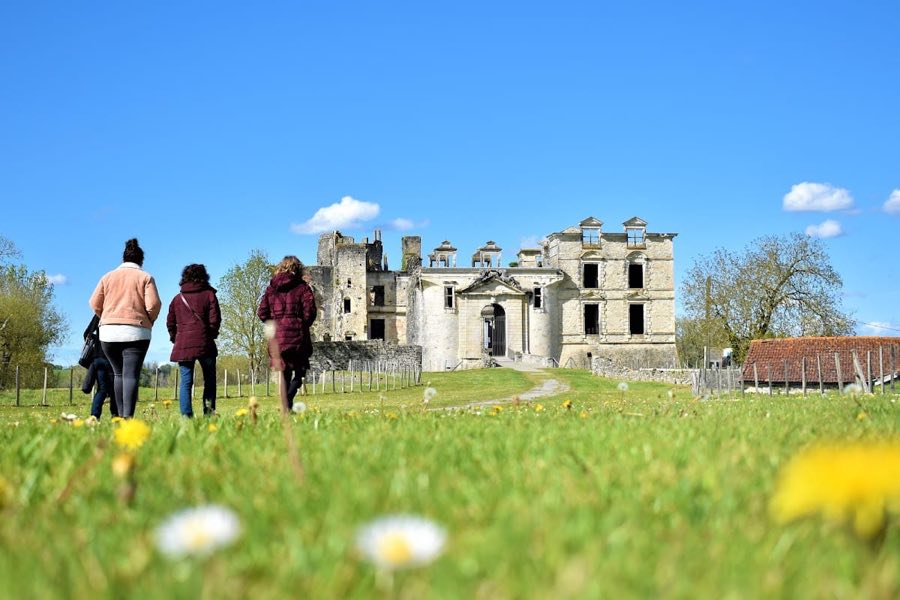
No. 35218

No. 56700
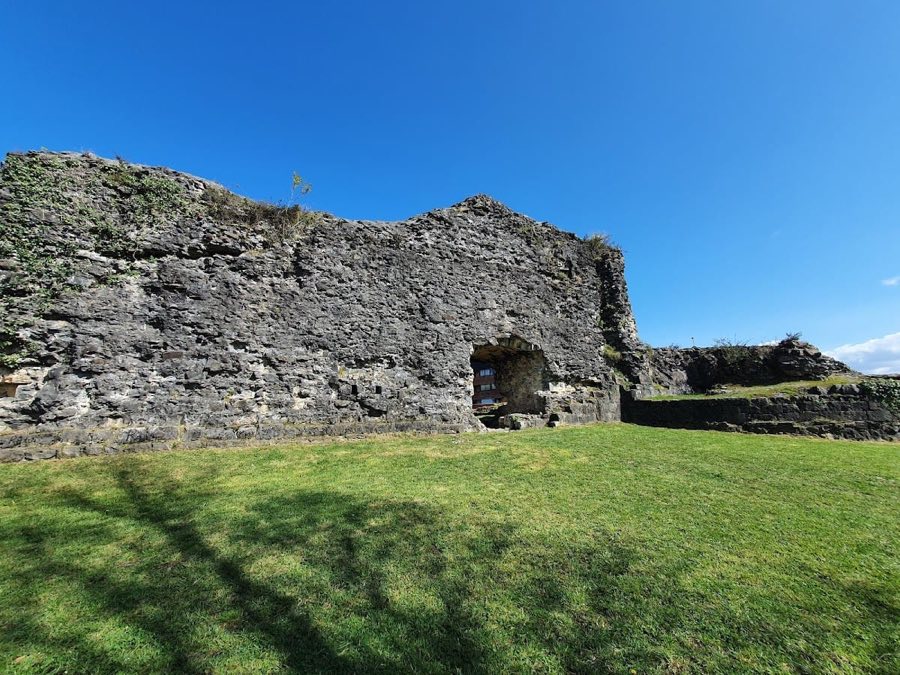
No. 46108
Comments
Comments for Château de Larunque will require a verified account before posting.
We'll send a verification link before your first comment is published.