No. 77210
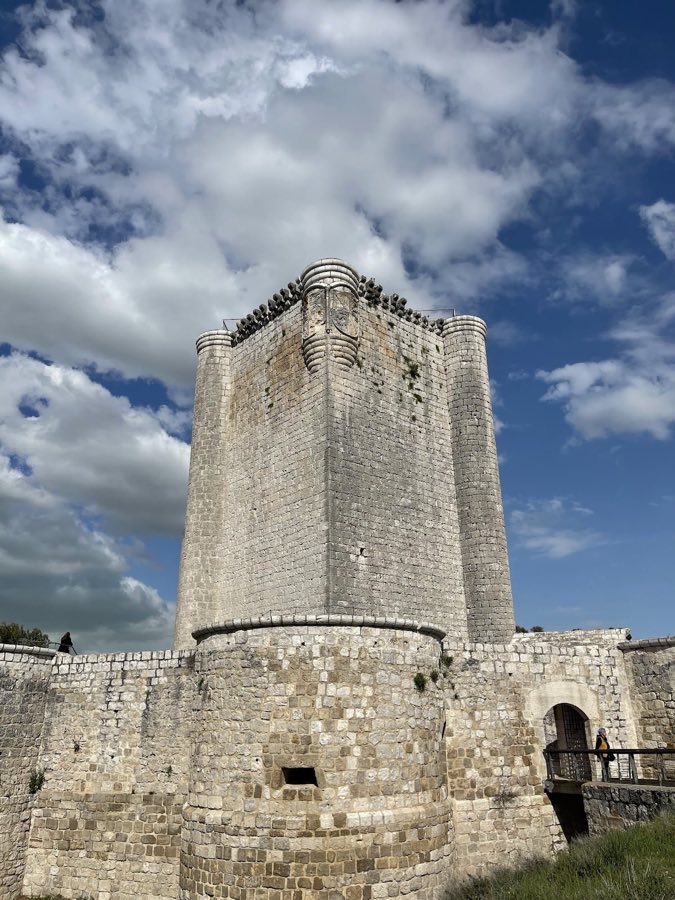
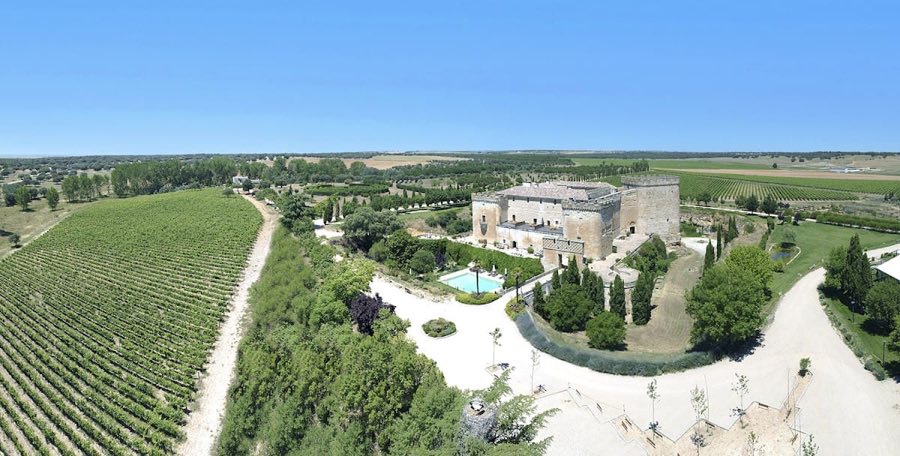
Castle of Íscar
Spain
CastleIntact10th century
No. 91989
Palace · Spain
No. 91989 · 41.308 N, 4.916 W
Quick summary
Palacio Testamentario, Medina del Campo is a palace in Medina del Campo, Spain with origins associated with the 14th century.
See all castles in SpainThe Palacio Testamentario in Medina del Campo, Spain, is a royal palace whose origins reach back to the 14th century, built for the medieval Castilian monarchy and first expressed in the Mudéjar architectural manner. The building stood at the heart of Medina del Campo, a town that became a major center for trade and finance in the late 1400s, and the palace played a central role in the town’s public and royal life.
The palace appears in records as early as 1335, when King Peter I ordered the killing of Pero Ruy Villegas and Sancho Ruy de Rojas within the residence during the midday rest. Under the Trastámara line of kings the royal household frequently lodged in Medina, using royal houses that stood beside the market square, which later became the Plaza Mayor. These repeated stays kept the complex prominent throughout the medieval period.
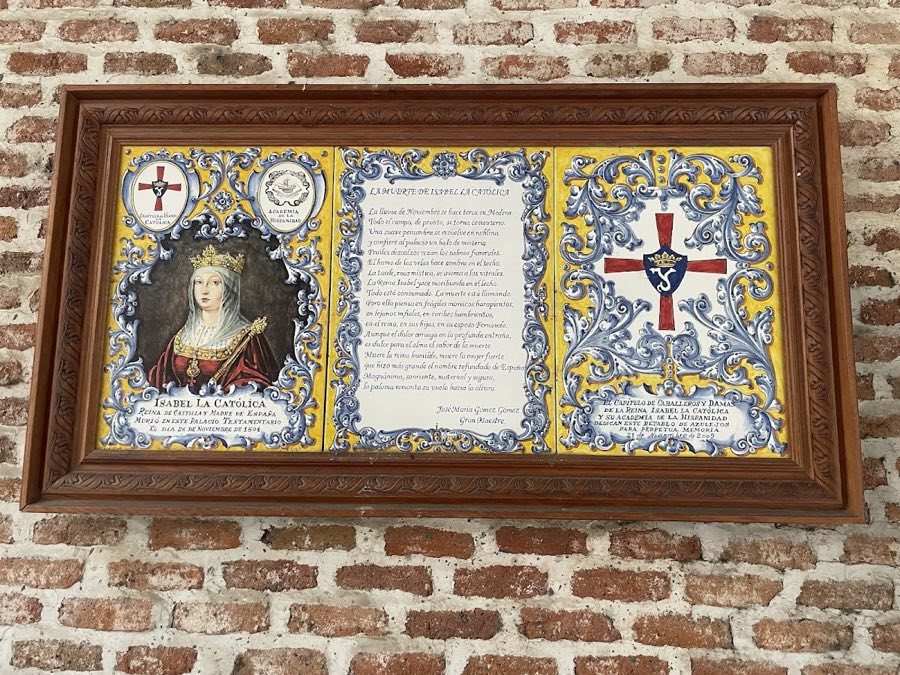
In the late fifteenth and early sixteenth centuries King Ferdinand of Aragon sponsored a substantial enlargement that gave the palace greater scale and presence. A mid-1400s travel account describes this transformation. In 1504 the building underwent further significant works to prepare and condition its spaces. That same year Isabella I of Castile signed her will and died within the palace, an event that marks the site in late-medieval Castilian history.
After 1504 the residence was used only sporadically through the sixteenth century, and by 1530 parts of the complex were already close to collapse. In 1601 the entire upper floor was taken down. New rooms were inserted on the main façade in 1603 and again in 1673, and a broad balcony was added to the frontage for the Main Town Council, while the exterior was altered to match contemporary tastes. During the nineteenth-century disentailments the remaining ruined sections were demolished. The surviving plot now accommodates a reconstructed building used as an interpretation center dedicated to Queen Isabella I.
The site presents a mixture of original medieval fabric and later reconstructed elements, arranged toward the square where the palace once opened onto the town’s principal pavement. The original complex was built in the Mudéjar manner, but only small portions of the medieval construction survive. The present structure functions as a didactic reconstruction that interprets the palace’s history.
The noble section of the present ensemble is concentrated on the side facing the Plaza Mayor. From the older palace there are a few rehabilitated rooms and stretches of boundary wall that mark where the orchard and service areas once lay. These repaired rooms stand in situ and the surviving walls, described as packed-earth or boundary walls in the historical record, show the limited extent of the original palatial fabric now visible.
The main frontage formerly looked out onto the Potrillo pavement of the Plaza Mayor, and the palace parcel was historically bounded by the streets known as Almirante, del Rey and Cerradilla. Alterations recorded over time include the wholesale removal of the second floor in 1601, the insertion of new rooms along the principal façade in 1603 and 1673, and the addition of a wide balcony intended for the enjoyment of the Main Town Council. Later demolition during the disentailment period removed most of the remaining ruins, leaving today the small cluster of rehabilitated rooms and the reconstructed building that houses the interpretation center devoted to Isabella I.
No. 77210
No. 33698
No. 78444
No. 79040
Comments
Comments for Palacio Testamentario, Medina del Campo will require a verified account before posting.
We'll send a verification link before your first comment is published.