No. 43064
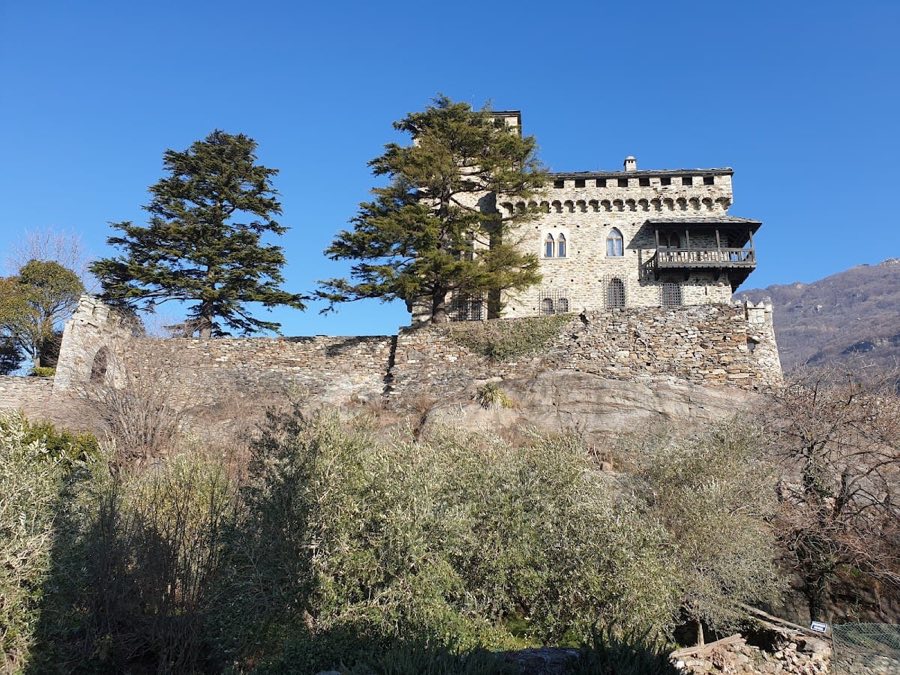
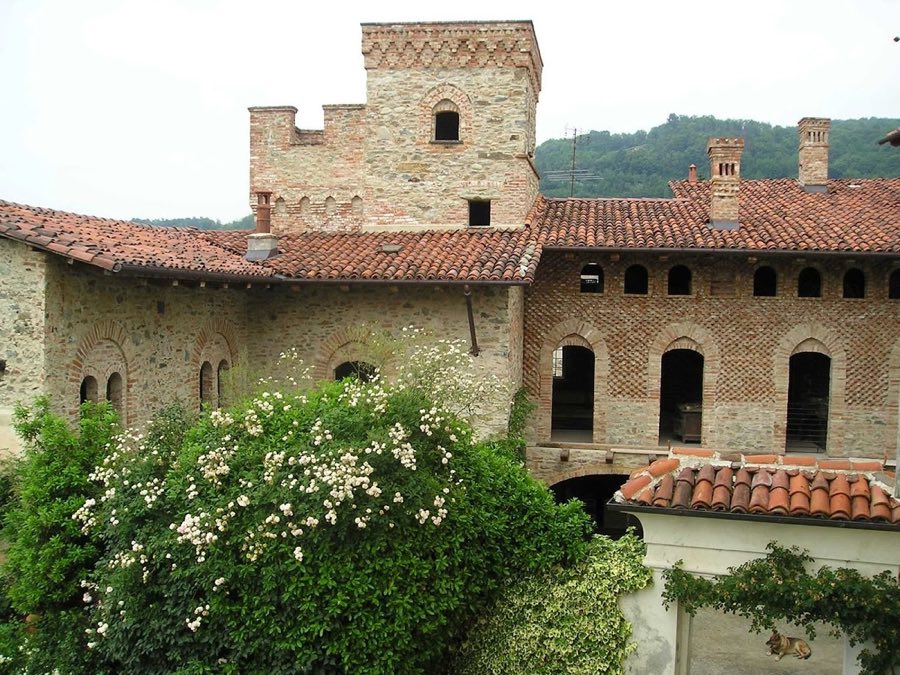
Montestrutto Castle
Italy
CastleRestored9th century
No. 55908
Palace · Italy
No. 55908 · 45.564 N, 8.046 E
For rent
Palazzo Ferrero, Biella is marked for bookable castle accommodation. Nightly pricing, sleeps count, stay rules, and amenities are displayed only when public operator data is available.
Rental type: Hotel / bookable stay, Short-stay rental
Short-term availability: Bookable accommodation signal
Quick summary
Palazzo Ferrero, Biella is a palace in Biella, Italy with origins associated with the 19th century.
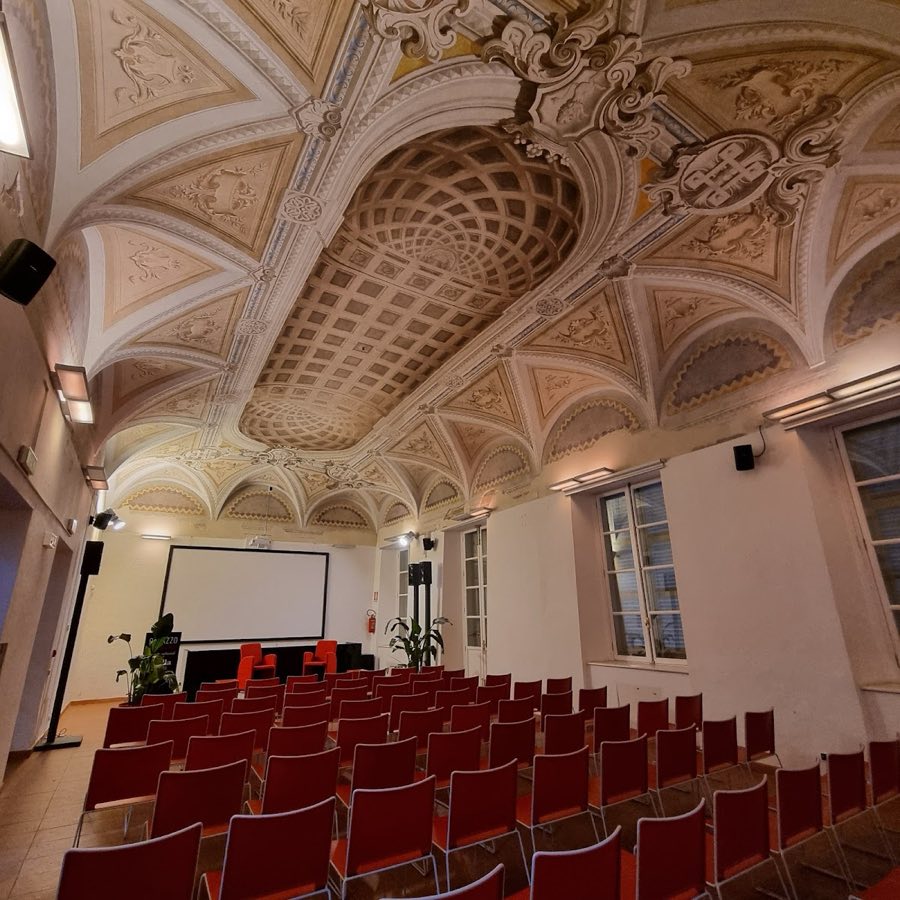
See all castles in ItalyPalazzo Ferrero in Biella, Italy, is a palace built by the Ferrero family in the 15th and 16th centuries. Erected and enlarged by members of a local noble household, the building became the ancestral seat for branches of the Ferrero lineage and later played administrative, industrial, and medical roles in the life of the town. Its long use by a prominent family, and the successive conversions it underwent, mark it as a landmark in Biella’s urban and social history.
The Ferrero holdings that formed the palace were assembled in stages during the 1400s and early 1500s, with acquisitions recorded in 1450, 1459, 1466, 1475, 1527, and 1547. Besso is named as the family progenitor, and his sons established distinct lines: Sebastiano (1438–1519) who owned the palace and became ancestor of the Ferrero princes of Masserano, and Gian Enrico (1468–1525) who led to the line of the La Marmora marquises. The façades facing the neighboring La Marmora house still show interventions that reflect this piecemeal formation.
Between the middle of the 1500s and the early 1600s the eastern portion of the complex was comprehensively reworked, producing much of the present arrangement for that sector. A roofed walkway that once linked the church of San Sudario to the southern front of the palace was taken down in 1777, an action recorded in contemporary documents.
The 19th century brought new owners and new functions. The princely line of Masserano ended in 1833 and the palace passed by inheritance to the La Marmora family. In 1836 municipal administration offices occupied parts of the building. From 1854 to 1863 the palace was adapted for textile manufacture and dyeing; tenants of that period erected covered structures within the garden and altered interior spaces to serve industrial needs.
In 1864 the complex was rented by Ignazio Debernardi, a physician from Zubiena, and hotelier Giacinto Borello, with Marquis Tommaso della Marmora still listed as owner, and it was converted into a hydrotherapy establishment and climatic station. A special room for treatments was fitted out and modern bathing apparatus were installed, and the therapeutic operation made use of very cold water drawn from Oropa. The hydrotherapy business continued through the last decades of the century. In December 1902 the marchioness d’Harcour ended the lease in order to reduce family debts and to consider offers from the Asinari fathers of San Marzano; soon after the complex was sold to the municipality of Biella for 80,000 lire, while the octagonal tower remained in the family’s possession.
After the municipal purchase the palace served the military as a convalescent home and was later fitted out as a barracks, a function it kept until 1945. In the 1970s the municipal council launched a restoration program, opened the garden to the public, and assigned many interior rooms to local cultural associations. From 17 March 2017 the city placed management in the hands of the temporary association “Palazzo Ferrero Miscele Culturali,” with the declared aim of establishing the complex as a civic cultural hub.
The complex stands as a group of four originally unified nuclei: Palazzo Ferrero di Masserano, Palazzo Ferrero della Marmora, the church of San Sudario, and Casa Braja, which sits between the Masserano palace and the church. The group grew through repeated purchases across the 15th and 16th centuries, and the main street-facing front displays visible joins and alterations that reflect those successive acquisitions. Up to the mid-1800s the building’s overall massing remained largely unchanged, even as surface treatments and openings were modified.
An eight-sided tower is part of the ensemble. Built not for defence but as a viewing feature, the tower was intended to rise above the surrounding landscape. Local tradition links its raising to Sebastiano, who allegedly wanted to see the cathedral spire from a distance. The tower is still held in private hands and was expressly excluded from the municipal transfer of the palace.
Evidence of later functional reuse is visible inside and in the grounds. In the mid-19th century owners converted rooms for industrial and therapeutic work; a dedicated hydrotherapy chamber was constructed and outfitted with modern apparatus, including bathing tubs fashioned in a single piece of white porcelain imported from the United Kingdom. Those installations relied on the very cold water supplied from Oropa. Tenants during the same period also added covered constructions within the garden, and in the 1970s the garden was refurbished and opened for public use.
The former portico that linked the church of San Sudario to the southern façade was taken down in 1777, a removal recorded in the estate’s history. Inside, the several phases of factory and medical use left a pattern of internal alterations; during the 1970s restoration many of those interior spaces were reassigned to cultural associations, reflecting the building’s layered reuse. The overall condition of the complex today combines conserved historic fabric with areas adapted for community and cultural purposes, while the tower remains under family ownership.
No. 43064
No. 44324
No. 31344
No. 54631
Comments
Comments for Palazzo Ferrero, Biella will require a verified account before posting.
We'll send a verification link before your first comment is published.