No. 43064
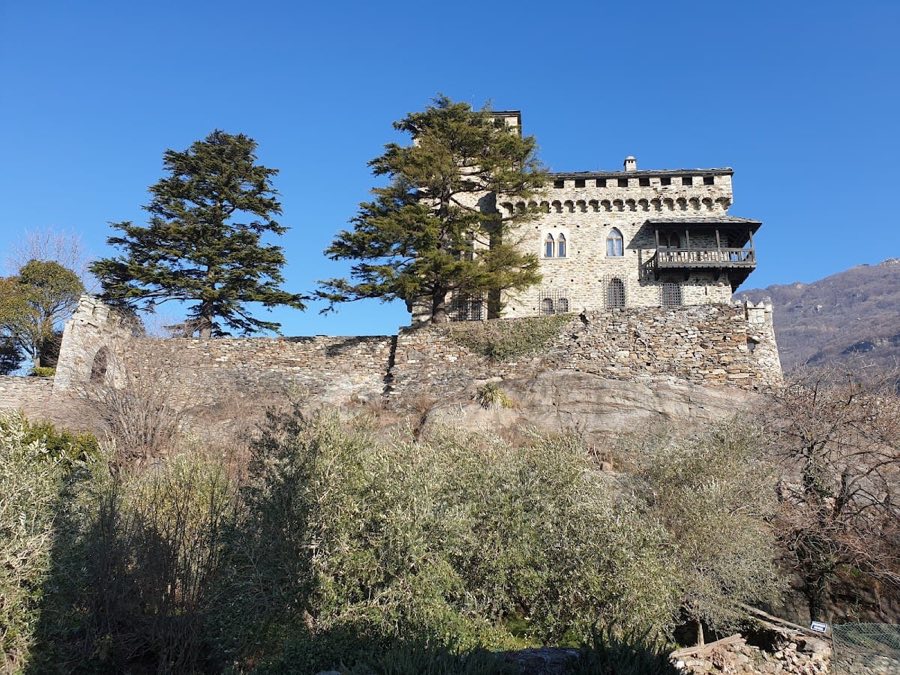
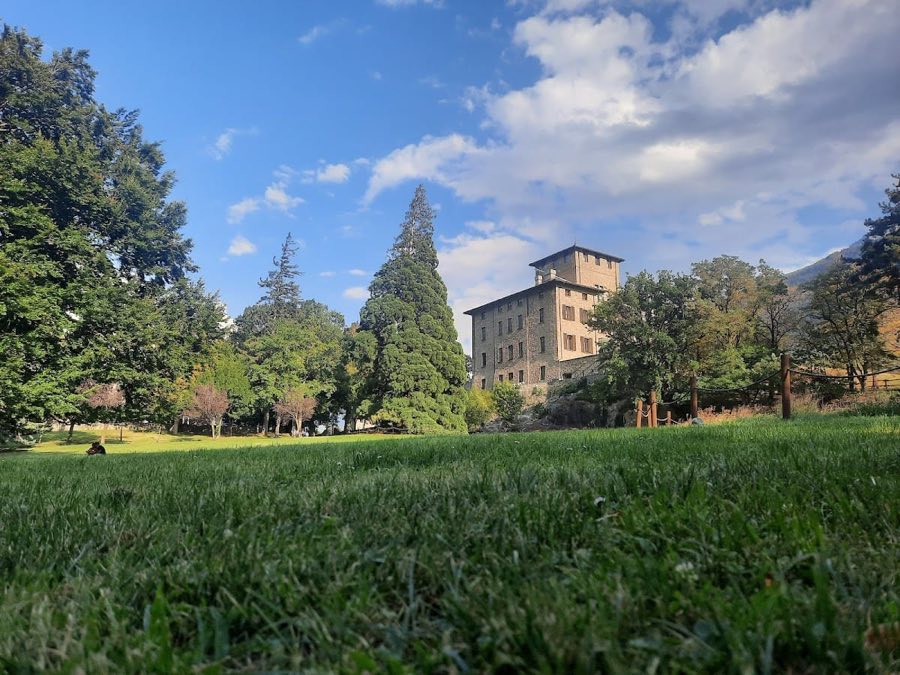
Montestrutto Castle
Italy
CastleRestored9th century
No. 44324
Castle · Italy
No. 44324 · 45.617 N, 7.814 E
Quick summary
Tour d'Hérères is a castle in Italy with origins associated with the 14th century.
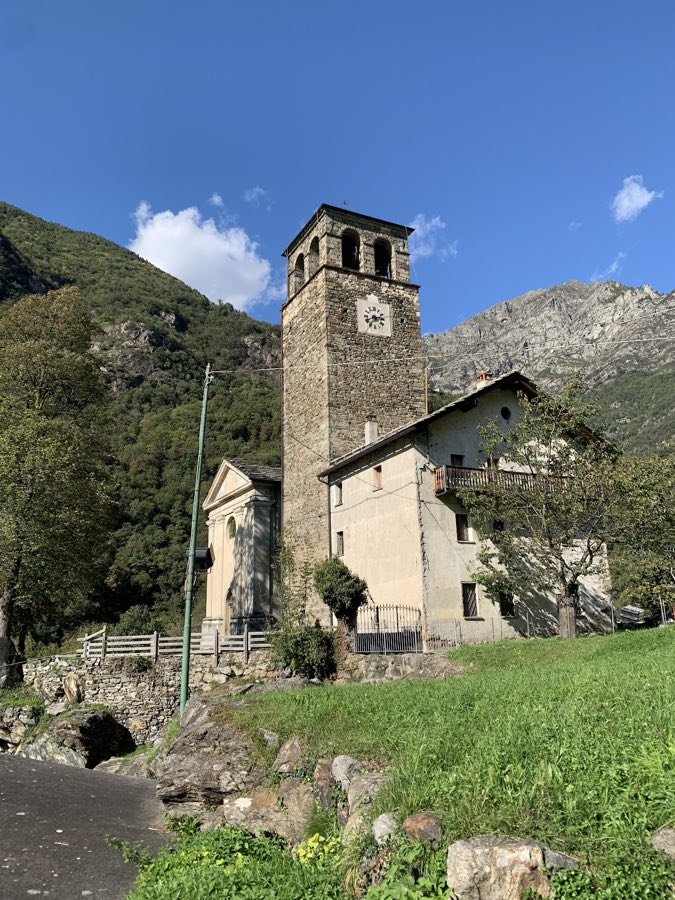
See all castles in ItalyThe Tour d’Hérères stands in Perloz, Italy, and was erected by medieval feudal builders of the Aosta Valley area. The structure likely dates to the early eleventh century, although one later account attributes it to the thirteenth century.
From the twelfth through the fourteenth centuries the site was linked to the Vallaise family, who took their name from the local branch De Hereris. The tower and its adjoining complex remained under Vallaise control for generations and the place-name reflects that long association. The path beside the tower, the Chemin de la Vallaise, linked the Aosta Valley with Piedmont and carried local traffic and pilgrims traveling to Notre-Dame-de-la-Garde for centuries, providing the tower with a visible position on a well-used route between Perloz and the hamlet of Hérères across the Lys at the La-Morette bridge.
In 1321 Ruffin d’Hérères transferred half of the Castello d’Hérères to the Counts of Savoy. About three years later members of the Vallaise family seized the site by force; the Bailly of Aosta then intervened and expelled those occupiers. In 1390 the Red Count granted part of the lordship of Hérères to Iblet de Challant, and on Iblet’s death the holding passed to his son François de Challant. In 1409 Amadeus VIII confirmed and returned rights in the castle to Jean and Roulet de Vallaise; the two men protested when they discovered those rights had been recognized as allodial rather than feudal tenures.
In the modern era the property passed out of the noble line. Alessandro Guarene di Roero, a descendant through Rosalie de Vallaise, sold the castle to the local parish. In 1878 the parish commissioned a church on the castle site to the plans of Pacifique Dallou of Donnas, and building works substantially altered the medieval fabric. The parish church of Saint Joseph stands on the castle ruins and remained in use thereafter; the parish of Tour d’Héréraz was suppressed and united with Perloz in 1986. The historic path beside the tower was restored by the Comune di Perloz in 2002, and an information panel was installed at the tower. A large chestnut planted in 1925 by parish priest Théophile Glésaz had been given protected status before it was felled in January 2013 because a fungal infection made collapse likely.
The principal surviving element is the keep, originally the central tower of a fortified complex and inspired by the Roman-style towers of the Aosta Valley. That main tower has a square footprint, each side measuring about 6.5 metres, and walls roughly two metres thick. Builders used a layered technique with a rubble core bound into a compact mass and faced on the outside with squared ashlar blocks, producing a solid, composite wall.
The keep’s original entrance was placed well above ground level at about seven metres and was set beneath an architrave topped by a blind arch, a defensive arrangement that required a raised access. The tower stood beside a service wing and formed part of an enclosure; those ancillary ranges served support functions for the defensive core and were later adapted for domestic use. Stones taken from the outer wall were reused in the nineteenth-century church built on the site, the work that transformed the medieval complex.
Late nineteenth-century remodelling converted the upper part of the tower into a bell chamber. Masonry above the main block was opened with arches and the upper walls were reduced in thickness to form the belfry, which was then capped with a four‑sloped roof of stone slabs. The tower survives today as an integral element of the Saint Joseph parish church and retains the nineteenth-century bell chamber alterations. An interpretive panel was fixed to the tower in 2002. Nearby grounds once featured a large chestnut planted in 1925 by the parish priest Théophile Glésaz, a tree later recognized under regional protection and removed in 2013 due to fungal decay.
No. 43064
No. 12977
No. 55908
No. 89941
Comments
Comments for Tour d'Hérères will require a verified account before posting.
We'll send a verification link before your first comment is published.