No. 66324
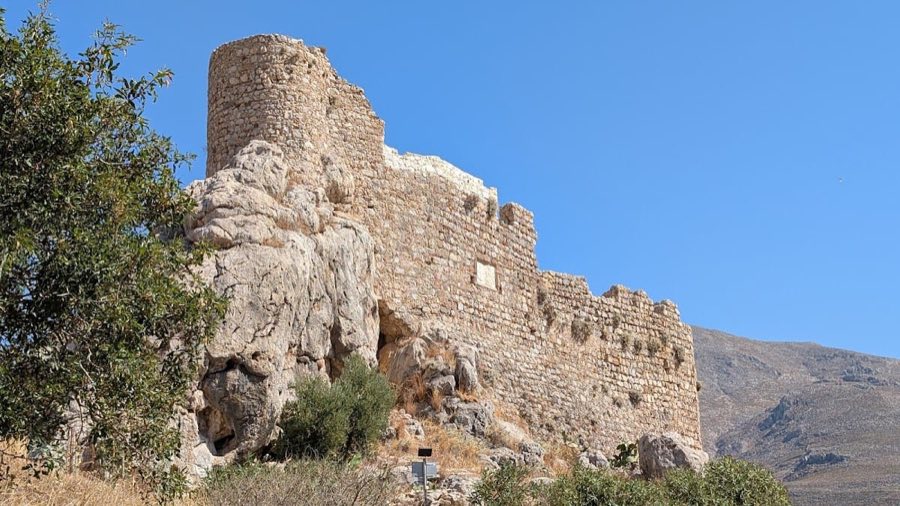
Chrysocheria Castle
Greece
CastleIntact15th century
No. 93133
Castle · Greece
No. 93133 · 37.157 N, 26.859 E
Quick summary
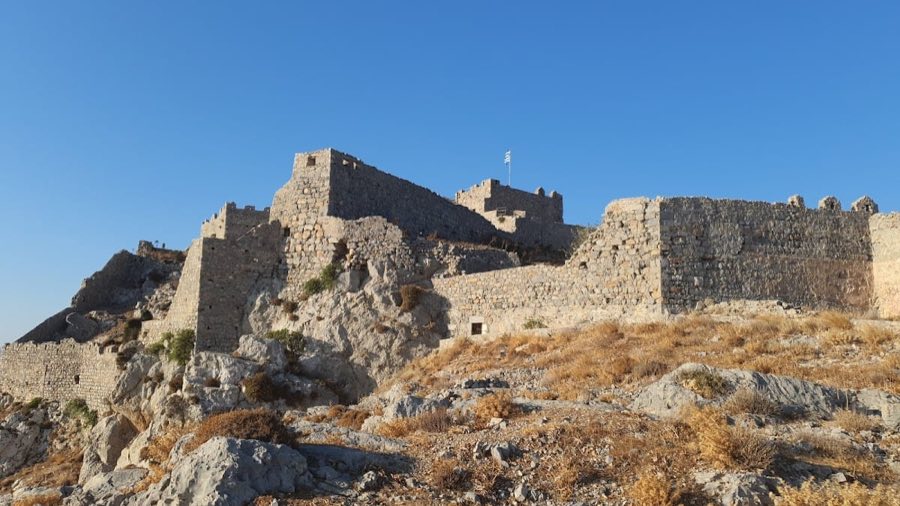
Panteli Castle is a castle in Greece with origins associated with the 11th century.
See all castles in GreecePanteli Castle is located in the municipality of Leros, Greece. This fortress was originally built during the Byzantine era, with its construction dating back to the 10th or 11th century. Historical records confirm its existence by 1087, as it is mentioned in a golden bull issued by Emperor Alexios I Komnenos.
During the 13th century, the castle came under the control of the Genoese, who held sway over parts of the Aegean Sea. In 1304, the Knights Hospitaller, also known as the Johannites, took over the castle, marking a new phase in its defensive role. Between 1436 and 1453, under the governance of the Venetian Johannite Fantino Querini, significant efforts were made to strengthen the fortress, particularly to resist increasing threats from the Ottoman Empire.
Panteli Castle faced numerous Ottoman attempts to capture it, enduring sieges in the years 1455, 1457, 1460, 1477, 1502, 1505, and 1508. These repeated assaults led to the castle’s administration being placed under the direct authority of the Grand Master of the Knights in 1495, highlighting its strategic importance. Following the Ottoman conquest of Rhodes in 1522, control of Leros and its castle was ceded to the Ottomans. The Venetians briefly reclaimed the site in 1648, causing notable damage, but Ottoman forces soon restored their control.
In the 20th century, during Italian rule beginning in 1912, Panteli Castle continued to serve a military purpose, accommodating barracks and a guard post. Its defensive role extended into World War II, although it suffered damage from German bombing raids in November 1943. After the war, Greek military units remained stationed at the site until the 1990s. Restoration work was finally completed in 2005, preserving the castle’s historical legacy.
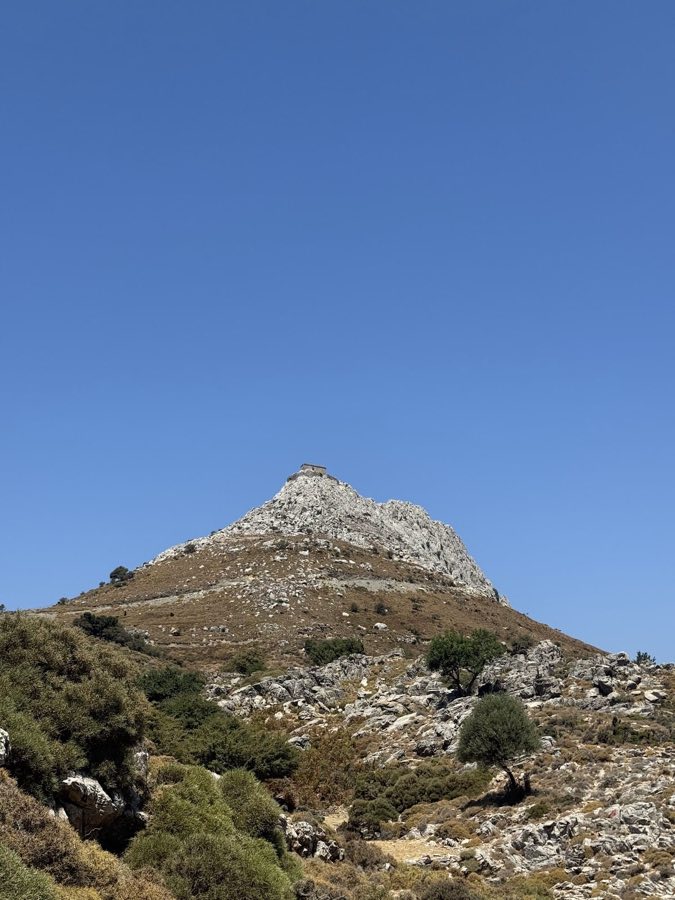
Panteli Castle occupies a rocky hill called Pityos Hill, around 154 meters above sea level, offering commanding views of Leros’s harbors and the surrounding sea, including the nearby strait to Asia Minor. The fortress spans approximately one hectare and is enclosed by three layers of defensive walls arranged concentrically. These walls follow the natural contours of the hill, with rock formations providing protection on certain sides, reducing the need for artificial walls.
The oldest part of the castle lies at its center, set on elevated ground. The outermost wall was constructed by the Knights Hospitaller and features several bastions designed for defensive use. The largest bastion is found at the southwest corner, serving as a key strongpoint against attacks.
Inside the central area stands the vaulted-roof Fragkoklisiá, or “Frankish Church,” reflective of the castle’s Christian heritage under the Knights. On the western side, the Church of the Virgin Mary, also known as Panagía, was erected in 1669 and later expanded by 1719, underscoring ongoing religious activity within the fortress even under Ottoman rule. Additionally, the Church of the Holy Trinity (Agía Triáda) is part of the complex, illustrating the presence of multiple ecclesiastical buildings. The castle also contains a museum dedicated to these churches and their history.
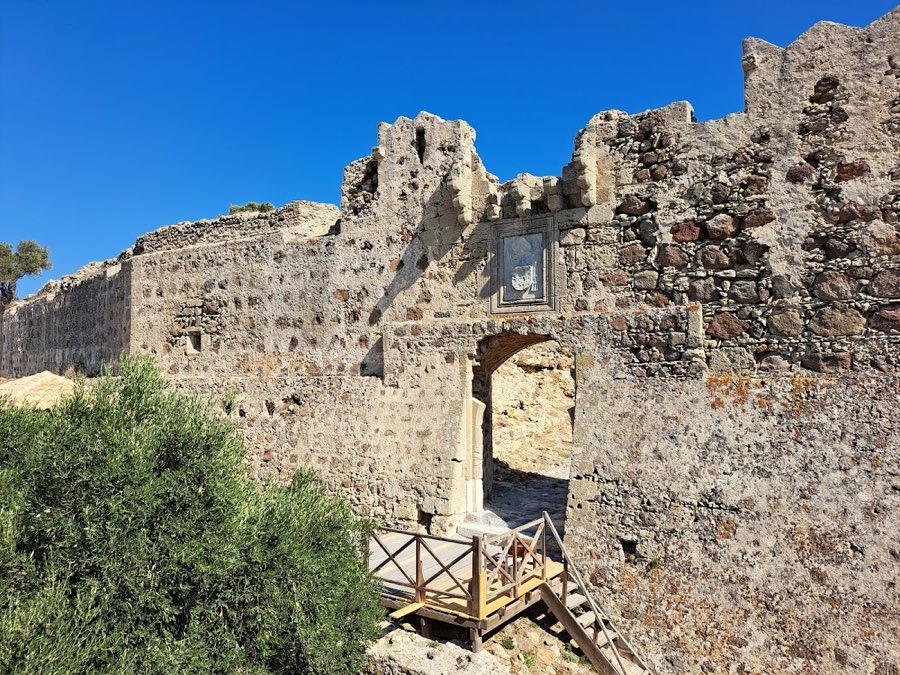
Photographs and archaeological records reveal that many sections of the stone walls, bastions, and gates remain well-preserved, showcasing the robust construction techniques used over centuries. Internal structures retain significant elements of their original form, allowing visitors to appreciate the fortress’s layered history and its role as a fortified religious and military site.
No. 66324
No. 13451
No. 93416
No. 12976
Comments
Comments for Panteli Castle will require a verified account before posting.
We'll send a verification link before your first comment is published.