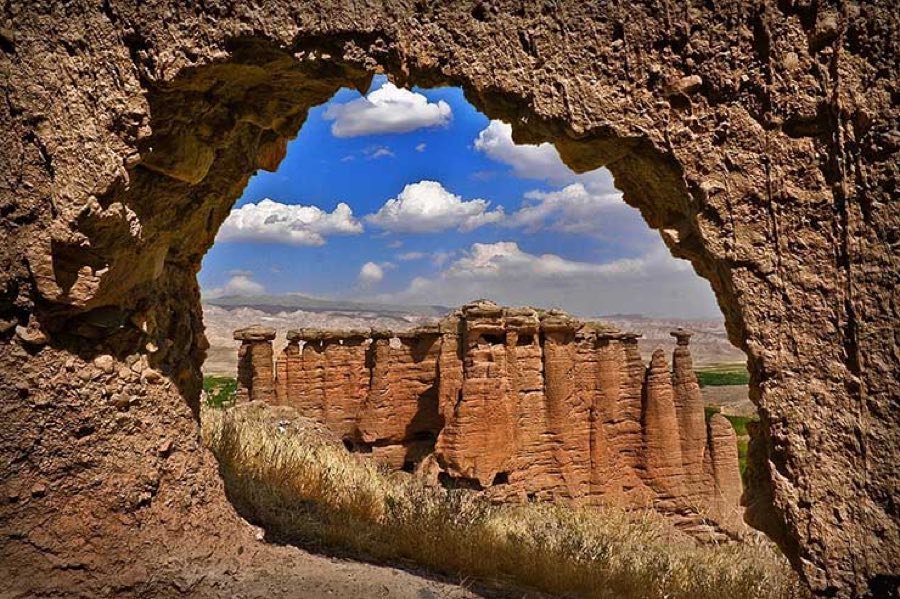
No. 83149
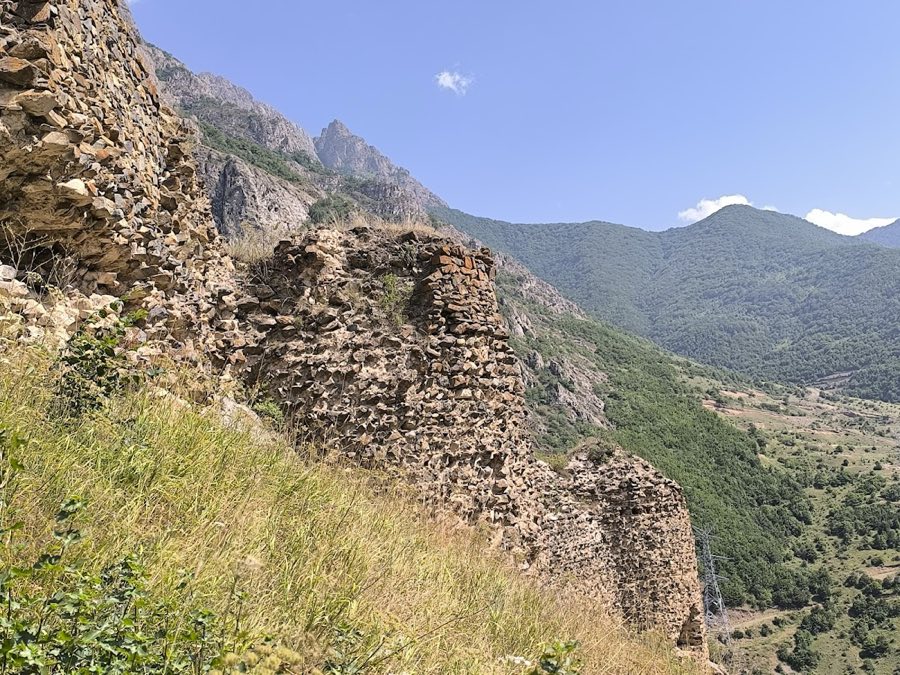
Behestan Castle
Iran
CastleIntact5th century
No. 49902
No. 49902 · 37.064 N, 49.240 E
Quick summary
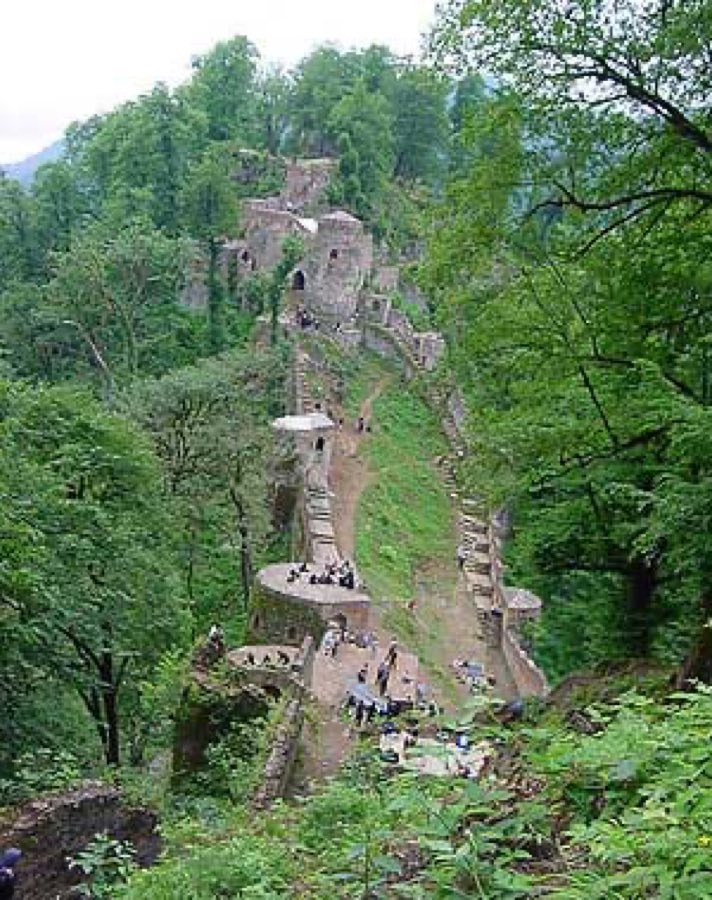
Rudkhan Castle is a castle in Iran with origins associated with the 10th century.
See all castles in IranRudkhan Castle is a medieval fortress located in the municipality of Qaleh Rudkhan in modern-day Iran. The initial construction of this stronghold dates back to the era of the Sasanian Empire, likely established around the period when Arab forces invaded Iran. This early foundation positioned the castle as a significant defensive structure in the region.
During the Seljuk period, the castle underwent substantial rebuilding, adapting to the evolving military and political landscape. Later, it became a strategic base for the Ismaili sect, who utilized the fortress to assert control in northern Iran. One of the most notable figures associated with Rudkhan Castle is Sultan Hesam al-Din Dabaj Fumani, also known as Muzaffar al-Sultan. Between 1513 and 1515 CE (918 to 921 AH), he carried out important renovations, strengthening its defenses and facilities.
Sultan Hesam al-Din ruled over the Biapas region and used Rudkhan Castle as a center for resisting the expanding influence of the Safavid dynasty. He managed to repel both Safavid forces and English military incursions from this fortress, demonstrating its formidable defensive capabilities. Despite these successes, he was eventually captured, transported to Tabriz, and executed, marking the end of his resistance.
Throughout its history, Rudkhan Castle is recorded as never having been penetrated by enemy forces, emphasizing its military resilience and strategic design. After centuries of use and regional significance, the site was formally recognized as a national historical monument of Iran on August 21, 1975. The castle first entered modern academic awareness through the work of Polish researcher Aleksander Chodżko, who documented it in 1830 during his studies in Gilan.
Rudkhan Castle occupies a mountainous area adjacent to the Rudkhan River, covering between 26,000 and 62,000 square meters, with fortress walls extending approximately 1,500 meters in length. Its layout follows the natural contours of the terrain along a ridge about five kilometers long and between
No. 83149
No. 84061
No. 81595
No. 71812
Comments
Comments for Rudkhan Castle will require a verified account before posting.
We'll send a verification link before your first comment is published.