No. 20127
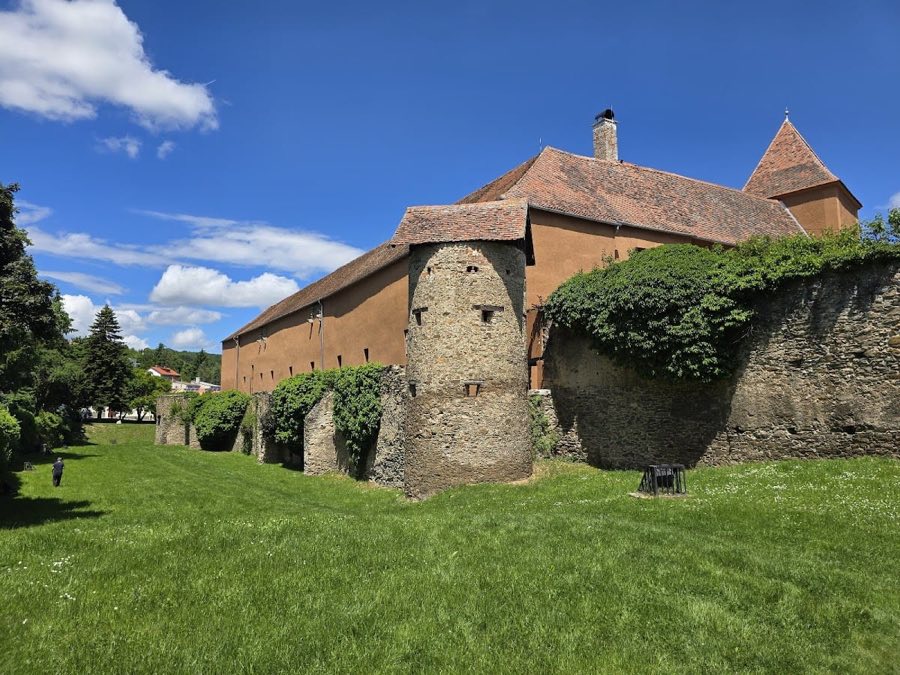
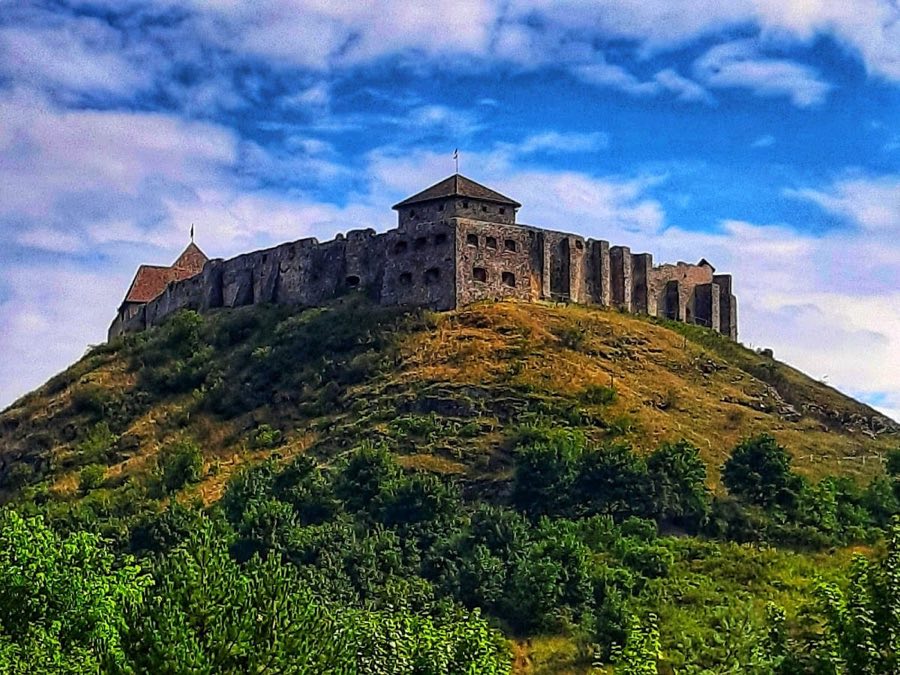
Jurisics Castle
Hungary
CastleIntact13th century
No. 40771
Castle · Hungary
No. 40771 · 47.252 N, 16.938 E
Quick summary
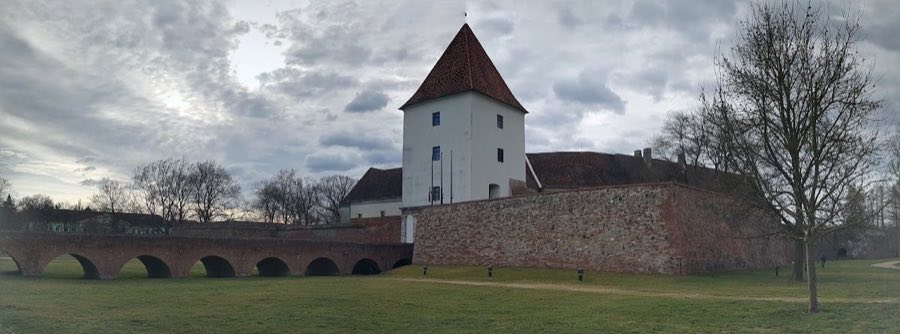
Sárvár Castle is a castle in Hungary with origins associated with the 15th century.
See all castles in HungarySárvár Castle is located in the town of Sárvár, Hungary. Originally, it stood as a medieval fortress built and developed by Hungarian nobility to serve both defensive and residential purposes.
The earliest written mention of the castle dates to 1327, during the reign of King Charles Robert of Hungary, when it was a royal property. Over the following centuries, the castle changed hands among several noble families, including the Németújvári, Kanizsai, Garai, and Ozorai Pipó clans. By the late 15th century, it had become part of the estates of the Nádasdy family, a significant Hungarian noble house.
At the end of the 15th century, the Kanizsai family undertook considerable strengthening of the castle. They added enclosed courtyards, constructed palace wings, and enhanced its defensive capabilities. In the mid-16th century, between 1549 and 1562, the fortress was transformed to withstand Ottoman military threats, featuring five bastions designed in the Italian Renaissance style and a broad moat encircling the structure.
During the late 1500s, Sárvár Castle became a base for Ferenc Nádasdy, known as the “Black Knight” of Hungary, who led campaigns against the Ottoman Empire. After his death, his widow, Elizabeth Báthory, notably resided here before her arrest and imprisonment in 1610, a period marked by legends surrounding her figure.
In the 17th century, the castle rose in status as the administrative heart of the Nádasdy estates under Ferenc III Nádasdy. He commissioned a Baroque-style ceremonial hall, completed in 1653, which celebrated the family’s military achievements. However, following Ferenc III’s conviction and execution for involvement in a noble conspiracy, the castle was confiscated and sold to Count Miklós Draskovich.
The castle briefly fell under rebel control during the early 18th-century Rákóczi War of Independence. Later, ownership transferred through the Szily and Esterházy noble families. In the 19th century, Archduke Ferdinand Karl of Habsburg-Lorraine acquired the property and adapted parts of the complex in the Classicist architectural fashion, including the filling in of the outer moats to create more usable land.
In 1875, the Wittelsbach family became owners of the castle and maintained possession until 1945. After World War II, Soviet troops occupied the site. Subsequently, the castle was nationalized, repurposed for residential use and as a school, until restoration efforts began in the 1960s. Since then, the site has been preserved and now operates as a museum dedicated to the castle’s rich regional and cultural history.
Sárvár Castle stands as a fully preserved Renaissance water castle located beside the Rába River. It occupies the site of an earlier medieval fortification that had been situated somewhat farther from the riverbank. The current castle’s construction largely dates from around 1560, showcasing a blend of Renaissance military architecture combined with later stylistic elements.
The castle’s defensive features include five bastions designed according to Italian Renaissance principles. These angular bastions formed part of a protective system intended to resist Ottoman attacks. Originally, the fortress was surrounded by a wide, water-filled moat; in the 19th century, this moat was drained and transformed into a landscaped park, marking a significant shift in the site’s layout.
Around the inner courtyard, there is a Renaissance arcade—a covered walkway adorned with a series of arches common to the period. Inside the castle, rooms feature Baroque decorations, most notably the ceremonial hall constructed between 1649 and 1653 under Ferenc III Nádasdy. This hall is distinguished by monumental ceiling frescoes and secco paintings by the artist Hans Rudolf Müller, which celebrate victorious battles against the Ottoman forces. The side walls of the hall contain Old Testament scenes painted later in 1769 by István Dorfmeister, a work blending oil and fresco techniques.
Within the ceremonial hall, two elaborate double-door cabinet wardrobes stand out. These pieces, originally acquired from the Ocskay family, display intricate marble inlays and gilded details, underscoring the refined interior design associated with the Nádasdy family.
The castle includes a tower that provides wide-ranging views toward multiple compass points, including north, northwest, and northeast directions. This vantage point would have been both practical for surveillance and symbolic of authority in past centuries.
Over time, the castle has experienced several architectural transformations, reflecting Renaissance origins, Baroque interior renovations, and 19th-century Classicist updates. Archaeological excavations undertaken beginning in 1962 uncovered elements from these different periods, revealing layered aspects of the castle’s construction and decorative schemes. These investigations helped guide the preservation of the castle, which remains one of the region’s most complete historical fortresses.
No. 20127
No. 34417
No. 82450
No. 97921
Comments
Comments for Sárvár Castle will require a verified account before posting.
We'll send a verification link before your first comment is published.