No. 10928
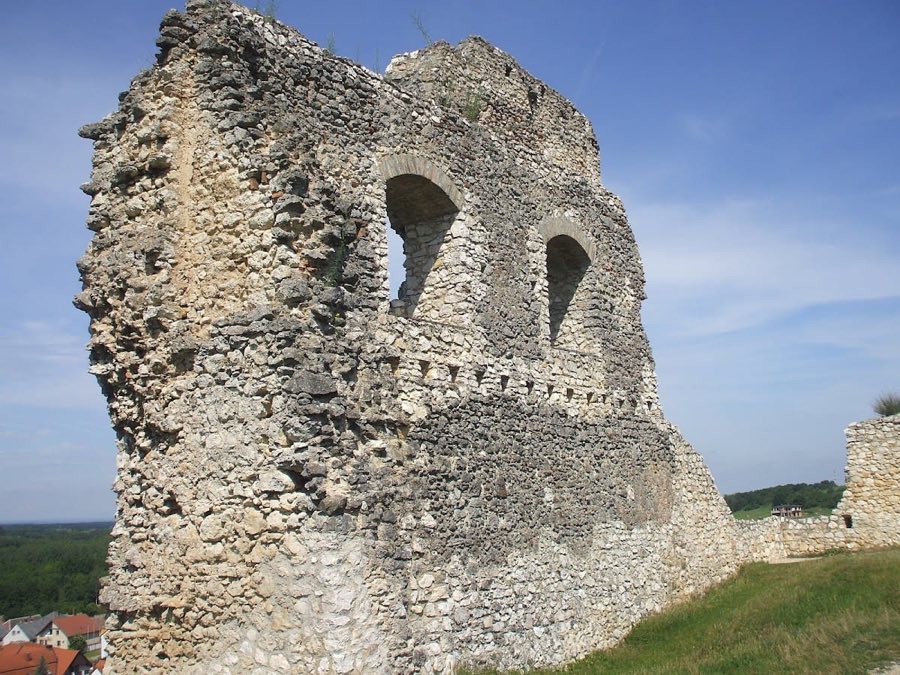
Castle of Döbrönte
Hungary
CastleRuin14th century
No. 34417
Castle · Hungary
No. 34417 · 47.151 N, 17.370 E
Quick summary
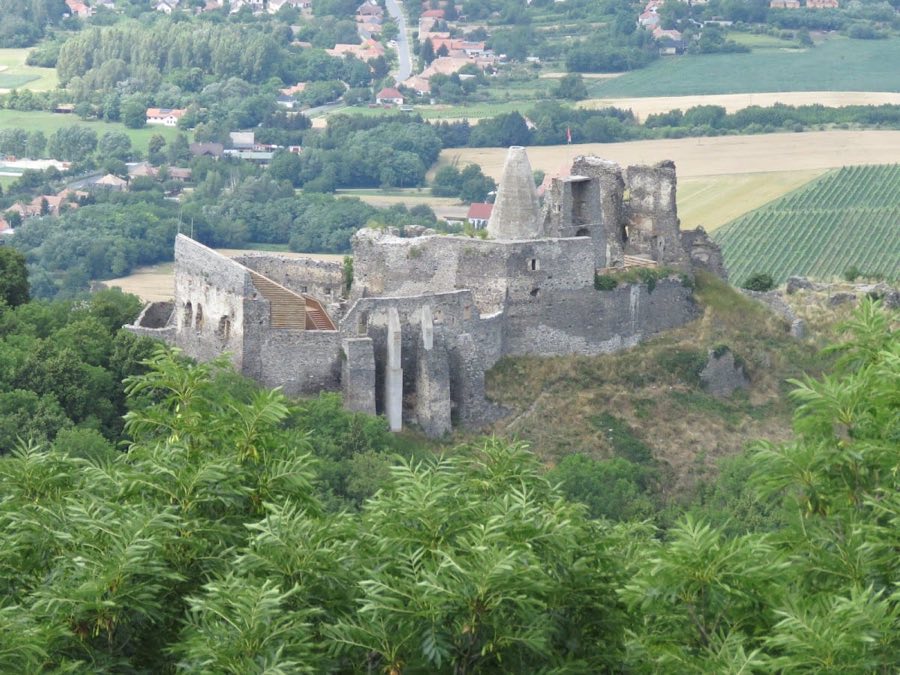
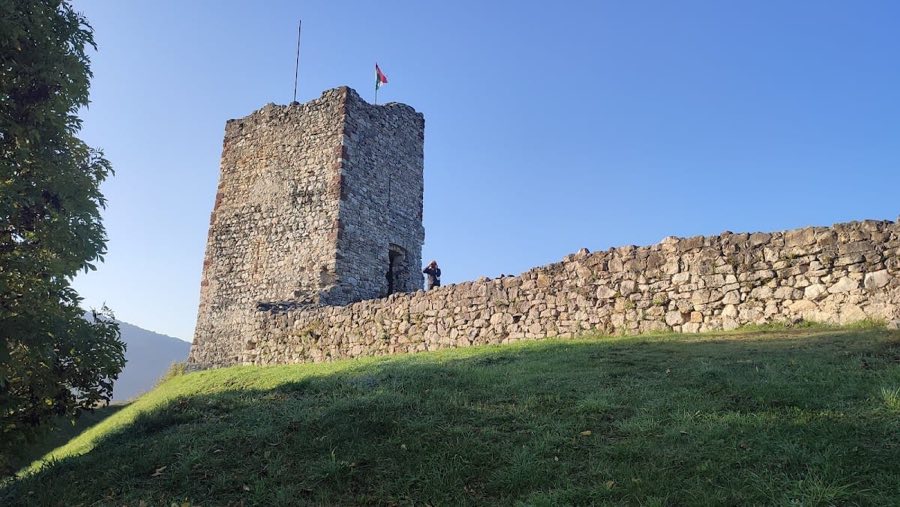
Castle of Somló is a castle in Hungary with origins associated with the 14th century.
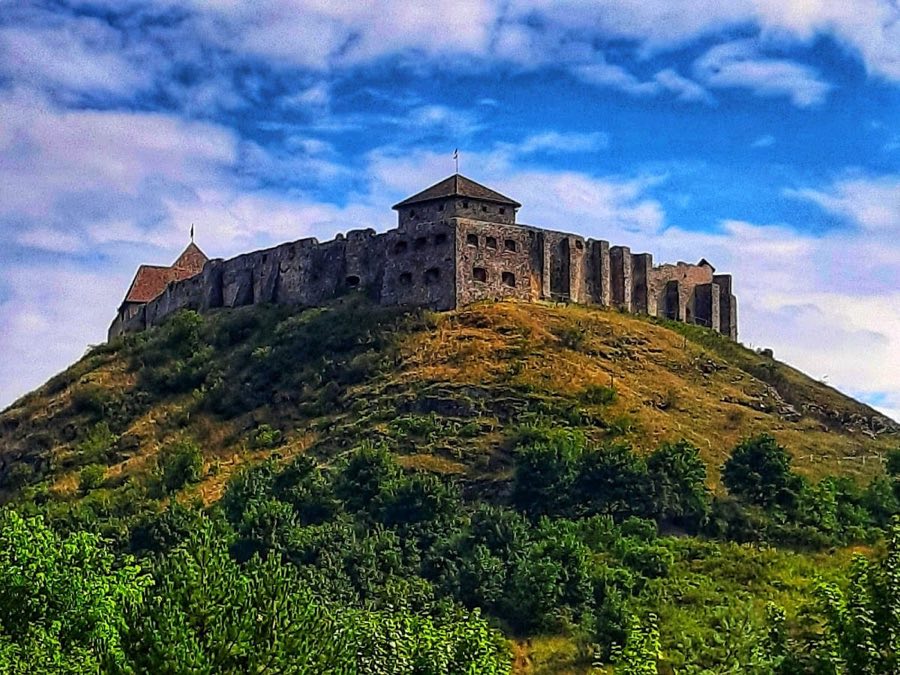
See all castles in HungaryThe Castle of Somló stands on the northern slope of Somló Hill near the village of Doba in Hungary. It was built by the medieval Hungarian kingdom, with construction likely beginning in the late 13th or early 14th century atop a basaltic extinct volcanic hill.
The earliest written reference to the castle dates to 1352, when King Louis I took possession from a local noble, János son of Csenik, and transferred it to Benedek son of Heim. In the late 14th century, from around 1370 to 1380, the fortress served directly as royal property. Subsequently, the castle passed through the hands of several prominent Hungarian noble families, including the Garai, Rozgonyi, Kanizsai, and Kinizsi lineages. Notably, in 1479 King Matthias granted the castle to Pál Kinizsi, a well-known military leader.
The late 15th century marked an important transformation when Bishop Tamás Bakócz acquired the castle in 1495. He undertook extensive renovations, converting the fortress into a Renaissance-style stronghold. These works included upgrading the defenses, adding a chapel tower, and embellishing door and window frames with carved stone details. Armaments were also enhanced under Bakócz’s care, with records showing the installation of two large cannons, several smaller guns, and two bombards starting in 1498.
In 1543, the Castle of Somló played a significant military role during a battle under its walls. Hungarian defenders successfully repelled Ottoman forces, inflicting heavy losses and maintaining its status as a critical defensive position in the region. Ownership shifted several times during the turbulent 16th century, with the Csoron family acquiring the fortress mid-century. They kept its military function but imposed onerous levies on the local peasantry.
During the early 18th century, the castle featured in the Rákóczi War of Independence. Imperial troops controlled it until 1707 when the leader Vak Bottyán liberated the site. Afterwards, the castle served primarily as a strategic supply point but soon faded from records, signaling a decline in its military importance. The rise of nearby Sümeg as a military center led to the gradual abandonment and dismantling of Somló Castle. By this time, only minimal artillery pieces remained on site.
In the 18th century, the Erdődy family regained ownership and consolidated nearby villages, yet they built a new residence in Doba known as the “Somló Castle,” choosing not to restore the medieval ruins. The family held the property until 1945, when Soviet forces took possession. After centuries of neglect, restoration began in 2017 under Hungary’s National Castle Program.
Local lore connects the site to Pál Kinizsi, with a nearby basalt formation called “Kinizsi Rock.” Its saddle-shaped depression is said to mark where Kinizsi rested after climbing the hill to inspect the castle.
The Castle of Somló features an irregular layout adapted to the contours of its 431-meter basalt hill, surrounded historically by dense forest that hindered enemy approaches. The design includes multiple courtyards and internal towers arranged to utilize the natural terrain for defense.
On the southern side, a dry moat approximately eight meters wide protects the castle, bordered at one end by a cliff and at the other merging with the hill’s slope. A well-preserved wooden drawbridge once spanned this moat, allowing controlled entry into a narrow passage leading into the outer courtyard. This courtyard is enclosed by walls equipped with arrow slits for archers, with the western side lined by vaulted guard quarters, indicating living and service spaces for soldiers.
Access to the inner courtyard is gained via a second drawbridge crossing and a tight alley that opens beneath one of the fortress’s most distinctive features: a hexagonal tower. Historical accounts suggest this tower may have served as the castle kitchen, but recent research favors its function as a chapel. This interpretation aligns with renovations implemented during Bishop Bakócz’s ownership, who added a chapel tower complete with intricately carved stone doors and window frames, elevating the spiritual and architectural stature of the castle.
The castle’s defensive capabilities were enhanced significantly by artillery installed in the late 15th century. Among the armaments were two large cannons, several smaller guns, and two bombards, artillery pieces designed for siege warfare. By the early 18th century, few of these weapons remained, a testament to the castle’s diminished strategic role.
Over time, substantial parts of the castle’s stonework were dismantled and repurposed to construct the later fortress built at the foot of Somló Hill. Today, the ruins remain under state protection as a registered monument. Visitors can reach the site only by foot or bicycle via a concrete path ascending from the hill’s base, directed by onsite signage.
Near the castle lies the “Kinizsi Rock,” a natural basalt formation linked through legend to Pál Kinizsi, symbolizing his connection to the stronghold that once guarded this landscape.
No. 10928
No. 97921
No. 97228
No. 85317
Comments
Comments for Castle of Somló will require a verified account before posting.
We'll send a verification link before your first comment is published.