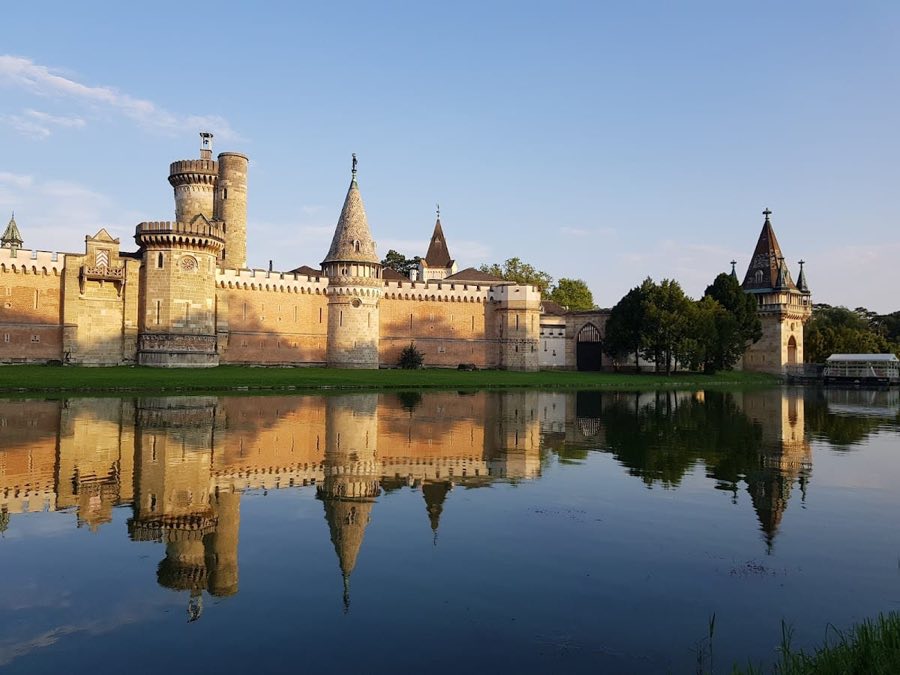
No. 18363
Franzensburg
Austria
PalaceIntact19th century
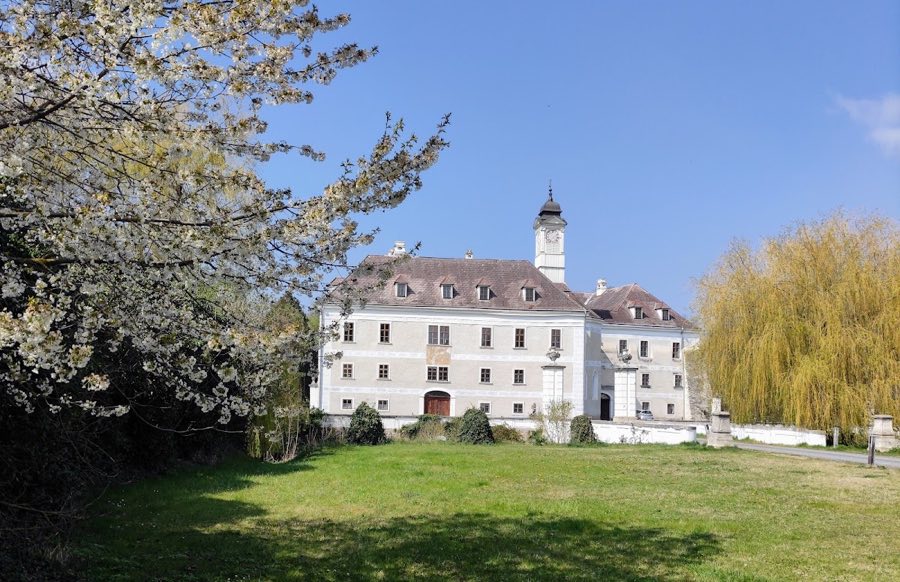
No. 28843
Palace · Austria
No. 28843 · 48.047 N, 16.524 E
Quick summary
Schloss Ebergassing is a palace in Austria with origins associated with the 12th century.
See all castles in AustriaSchloss Ebergassing is situated in the municipality of Ebergassing in modern-day Austria. The castle’s origins date back to the early 12th century, with records confirming its existence as a fortress or castle by the year 1120. It was initially established as a defensive structure within the medieval landscape of Lower Austria.
During the mid-15th century, the castle was under the control of the lords of Wald, a noble family who undertook the reconstruction of its internal chapel. A significant event occurred in 1486 when Hungarian troops, supported by mercenaries from Vienna, captured Schloss Ebergassing following an extended siege, marking a moment of military conflict that affected its ownership and use.
From roughly 1540 until 1620, the castle was owned by the Thanrädl family, originally from Salzburg. They transformed the medieval fortress into a Renaissance-style residence, adding features such as a moat that surrounded the property. The Thanrädl family’s possession ended when they were dispossessed due to their Protestant faith, a reflection of the religious tensions of the period. Following this, the castle passed to the Princes of Liechtenstein, who undertook two major expansions in the Baroque style, once around 1720 and again circa 1760, further altering the building’s appearance and scale.
Between 1788 and 1811, ownership shifted to the von Trattner family. Notably, Therese von Trattner, the second wife of Johann Thomas Edler von Trattner, was a student of the famous composer Wolfgang Amadeus Mozart. Mozart dedicated two musical works to her: the Sonata No. 14 in C minor, K. 457, and the Fantasia in C minor, K. 475, indicating the castle’s connection to significant cultural figures of the time.
The 20th century brought hardship when the castle suffered heavy damage and looting during World War II, which left it uninhabitable and abandoned for a prolonged period. Restoration efforts took place from 1998 to 2001, after which the property came into the hands of the Sandhofer and Aichelburg-Rumerskirch families. Today, Schloss Ebergassing is recognized and protected as a cultural heritage monument by Austrian authorities, preserving its long and varied history.
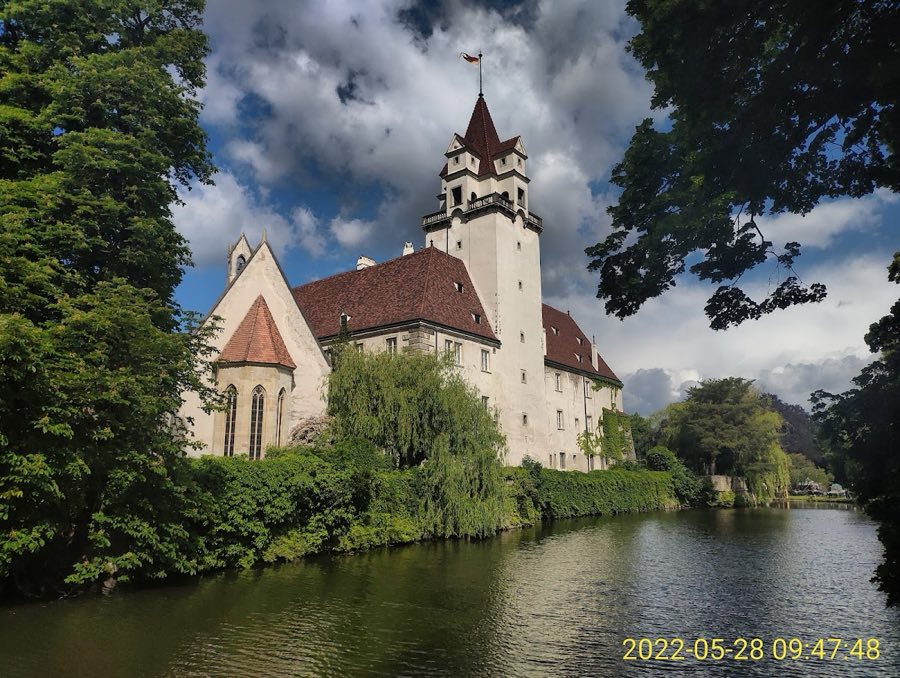
Schloss Ebergassing is characterized as a former water castle, meaning it was originally surrounded by a moat filled with water. This moat is supplied by the Fischa river, which feeds the defensive water feature encircling the castle. Access to the castle is provided by a masonry bridge that crosses the moat, carefully designed with Baroque-style pedestals flanking the bridge’s entrance. These pedestals serve as ornamental supports, adding visual distinction to the approach.
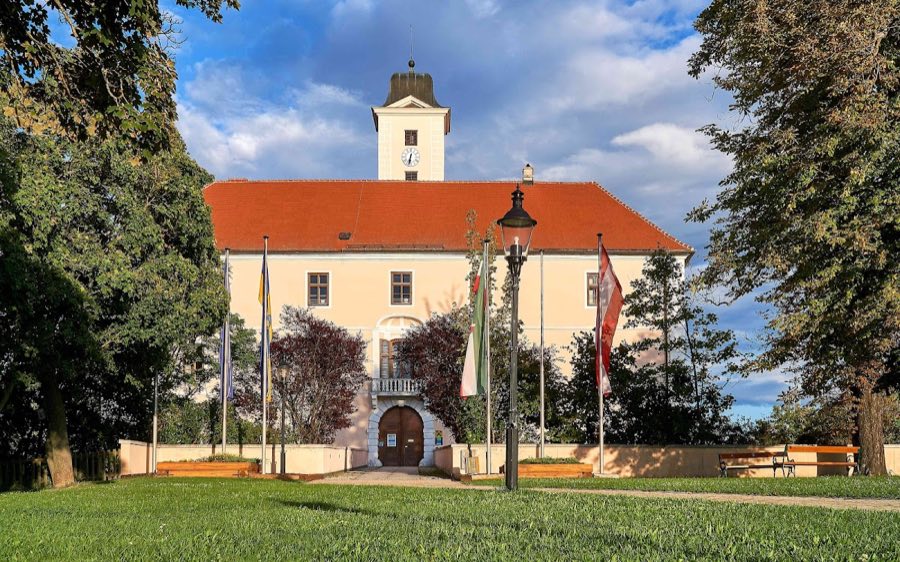
The castle complex itself consists of an irregular four-winged structure, forming a trapezoidal courtyard. The three-story wings enclose a rectangular open space within the larger park setting. The main façade of the castle faces southeast and includes a slightly recessed section from which the chapel extends northeast. This chapel, rebuilt during the 15th century by the lords of Wald, holds a dedication to Saint Ulrich of Augsburg—a status officially recognized under church law since November 23, 2023.
Architectural details of the main façade include a lowered round-arch portal providing an entrance that aligns with the castle’s evolving styles. Above the roofline, a clock tower rises prominently, commanding attention and serving both practical and aesthetic purposes. On the right side of the building, a stepped-back section mirrors the decorative motifs found on the main façade and is reinforced by a large corner buttress, highlighting its structural importance.
Throughout the castle, elements from different historical periods remain visible. The medieval core survives alongside Renaissance modifications introduced by the Thanrädl family and Baroque additions made during the rule of the Liechtensteins. This layered architectural heritage reveals the transformations the castle underwent over centuries, combining defensive features, residential comfort, and stylistic embellishments in one complex setting. The restoration at the turn of the 21st century helped preserve these features, allowing the castle’s diverse historical phases to be appreciated in their current form.
No. 18363
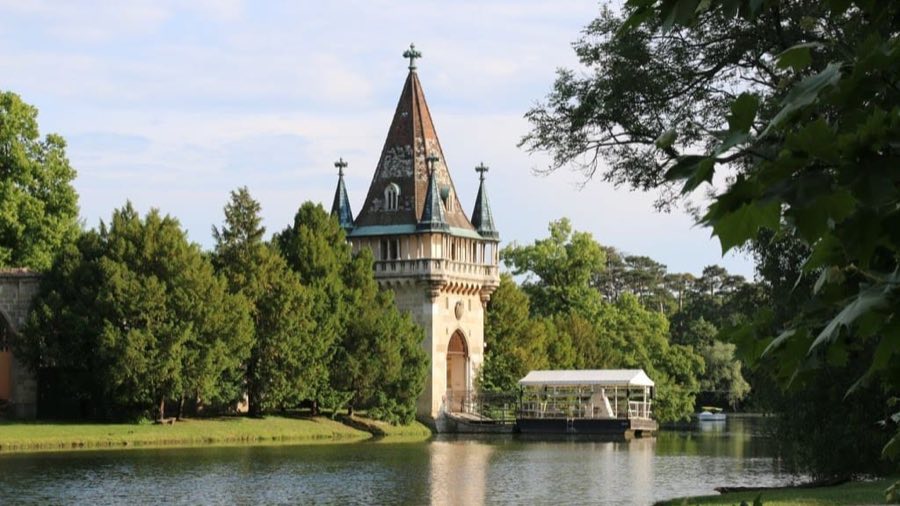
No. 36521
No. 82103
No. 74655
Comments
Comments for Schloss Ebergassing will require a verified account before posting.
We'll send a verification link before your first comment is published.