No. 27726
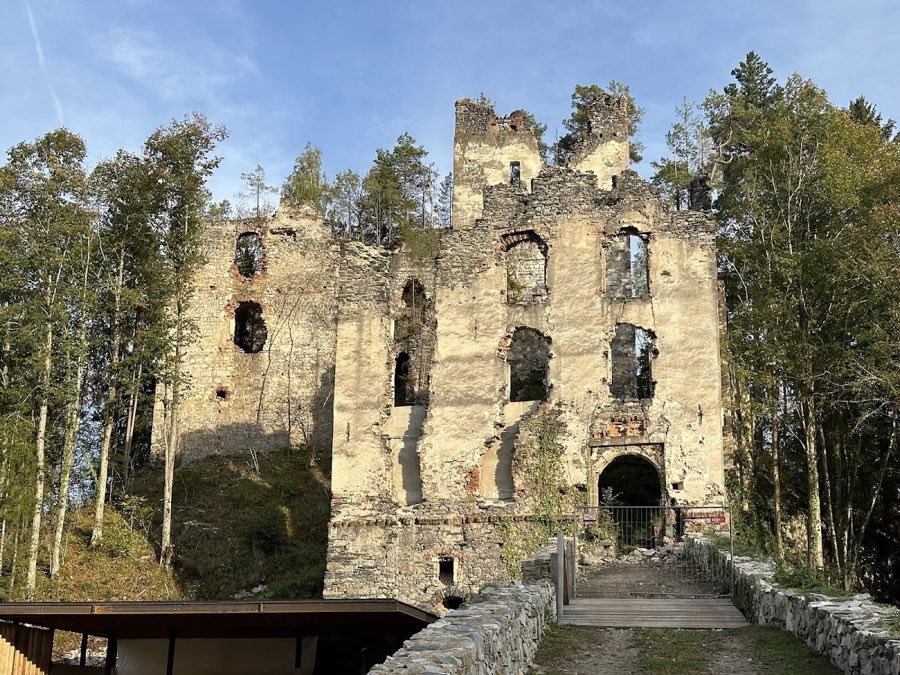
Burgruine Waxenegg
Austria
CastleRuin13th century
No. 45124
Castle · Austria
No. 45124 · 47.215 N, 15.811 E
For events
Schloss Herberstein is marked as a château or castle venue lead. Capacity, indoor/outdoor spaces, catering rules, and accommodation options are published only after public verification.
Event types: Private events, Cultural gatherings, Filming and photography
Quick summary
Schloss Herberstein is a castle in Austria with origins associated with the 13th century.
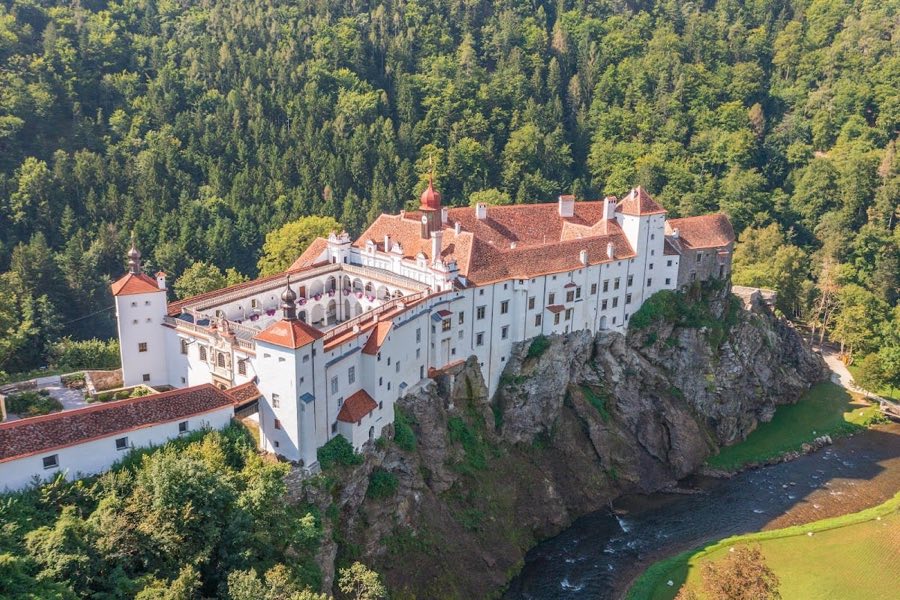
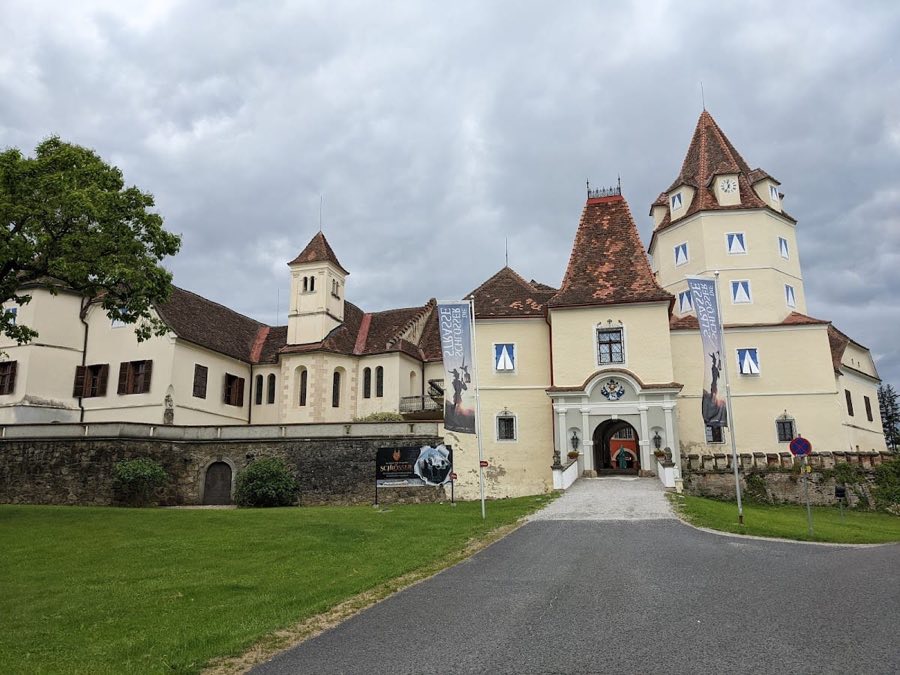
See all castles in AustriaSchloss Herberstein is located in the Austrian community of Stubenberg, near the Herberstein Zoo. Its earliest structures date back to the late 13th century, built during the medieval period. Originally named “Hervigstein,” the castle occupies a steep rocky slope overlooking the Feistritz River valley, a position chosen for its natural defensive advantages and concealment.
Around the year 1400, the castle underwent significant expansion with the addition of a large forward fortification known as a posada. This extension incorporated the Gothic chapel of St. Catherine, which had been constructed before 1400. The castle’s fortifications were strengthened during this time, reflecting the need for defense in a turbulent medieval landscape.
In the 15th century, further enlargements took place, continuing the castle’s development as a fortified stronghold. By the mid-16th century, the site was transformed from a purely defensive structure into a residential palace for the Herberstein family. This period saw the introduction of Renaissance architectural elements, including the construction of a spacious Knight’s Hall, or Rittersaal. The defensive moat surrounding the castle was filled in during this century, signaling a shift from military to domestic use.
The 17th century brought additional changes, notably the creation of the Florentinerhof courtyard, designed in the Italian style. Several other buildings were completed by the end of the century, further enhancing the castle’s residential and administrative functions. Throughout its history, Schloss Herberstein has remained in the possession of the Herberstein family.
Today, the castle continues to serve as a family residence and administrative center. It also hosts art exhibitions and cultural events, maintaining its role as a significant historical and cultural site in the region.
Schloss Herberstein is built on a steep rocky slope with a layout that reflects its medieval origins and later adaptations. The complex includes a large forward fortification added around 1400, which incorporated the earlier Gothic chapel of St. Catherine. This chapel remains part of the castle grounds, representing one of the oldest surviving structures.
The castle’s Renaissance transformation in the 16th century introduced the Knight’s Hall, a large ceremonial room used for gatherings. The original defensive moat was completely filled in during this period, marking a change in the castle’s function from fortress to residence.
In the 17th century, the Florentinerhof courtyard was added, showcasing Italian architectural influence. This courtyard, along with several other buildings completed by the late 1600s, complements the older medieval and Renaissance structures.
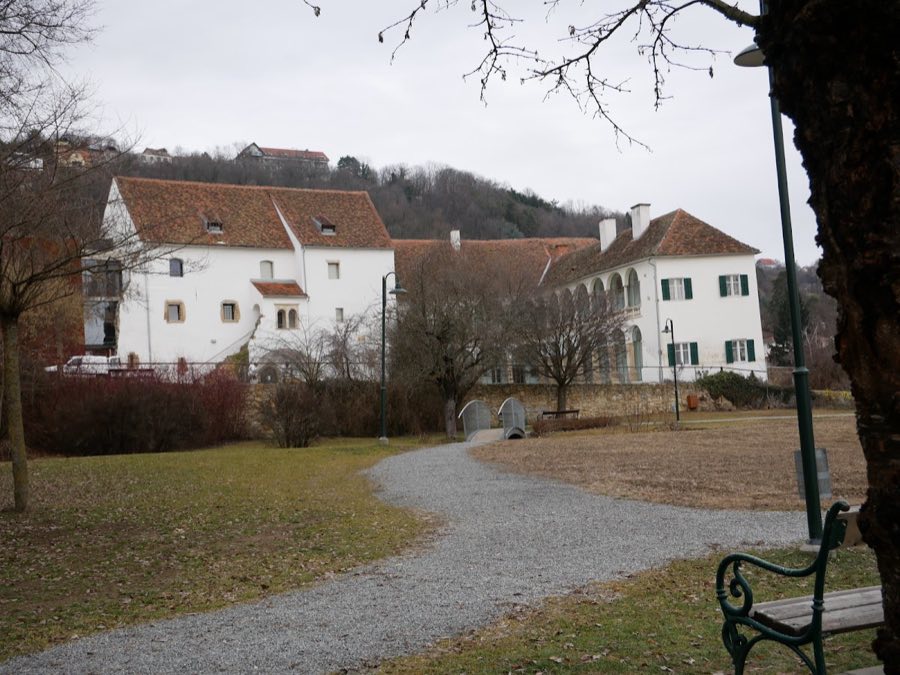
The castle complex is well preserved and continues to be used for residential and administrative purposes. Its buildings also serve as exhibition spaces for classical and contemporary art. Within the castle park, the Bruno Gironcoli Museum occupies a separate 2000-square-meter building. This museum houses the largest collection of works by the sculptor Bruno Gironcoli, including large sculptures resembling futuristic machines. Some of these works are also displayed permanently in Vienna’s Donau City complex.
Overall, the site retains its historical layers, with medieval, Renaissance, and Baroque elements visible in its architecture and layout.
No. 27726
No. 56100
No. 83933
No. 20647
Comments
Comments for Schloss Herberstein will require a verified account before posting.
We'll send a verification link before your first comment is published.