No. 35701
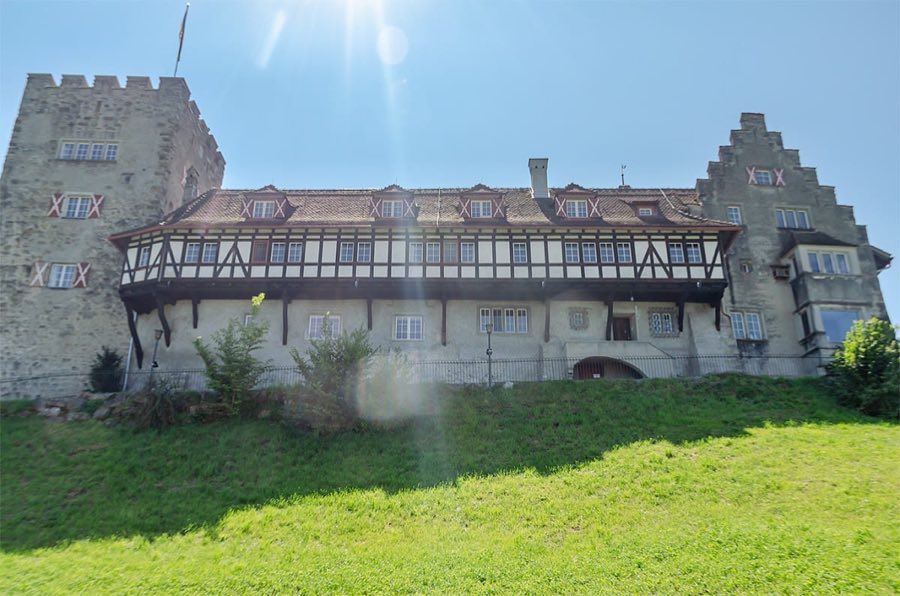
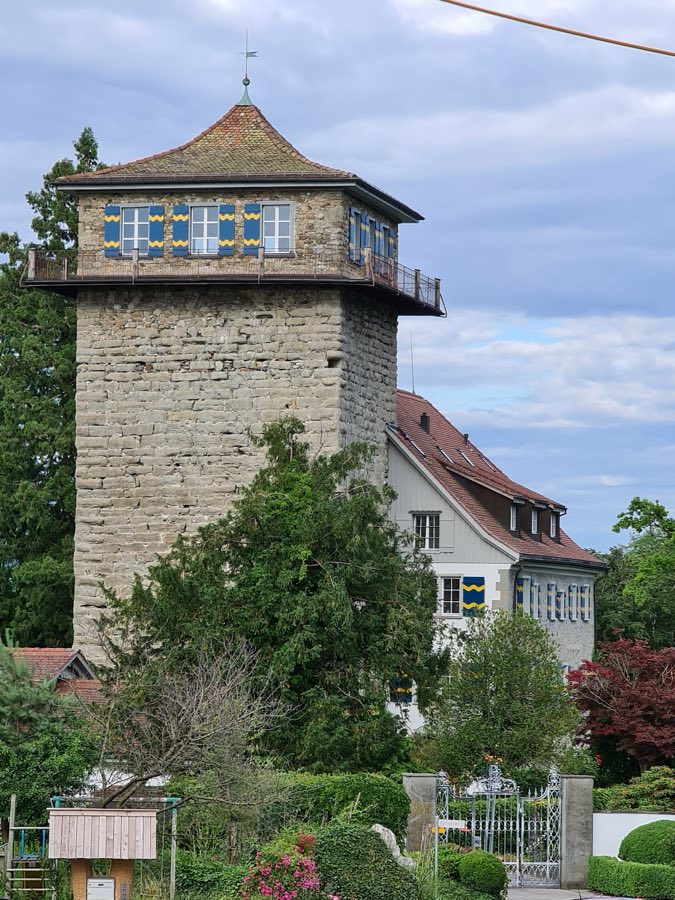
Schloss Wolfurt
Austria
CastleRestoredFor events13th century
No. 65203
Manor house · Austria
No. 65203 · 47.536 N, 9.758 E
For events
Schloss Hofen is marked as a château or castle venue lead. Capacity, indoor/outdoor spaces, catering rules, and accommodation options are published only after public verification.
Event types: Private events, Cultural gatherings, Filming and photography
Quick summary
Schloss Hofen is a manor house in Austria with origins associated with the 15th century.
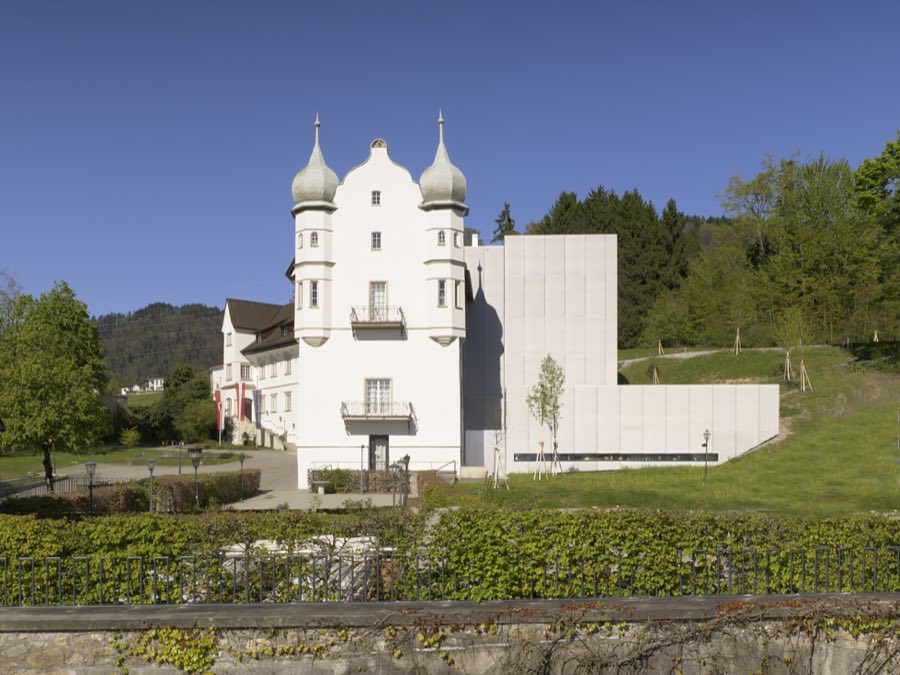
See all castles in AustriaSchloss Hofen in Lochau, Austria, is a Renaissance manor-like residence erected in the late 16th and early 17th centuries by members of the Raitenau family within the lands of the Holy Roman Empire. Built in the Renaissance style, it became one of the region’s important secular houses, connected to local noble administration and to notable historical figures and military events.
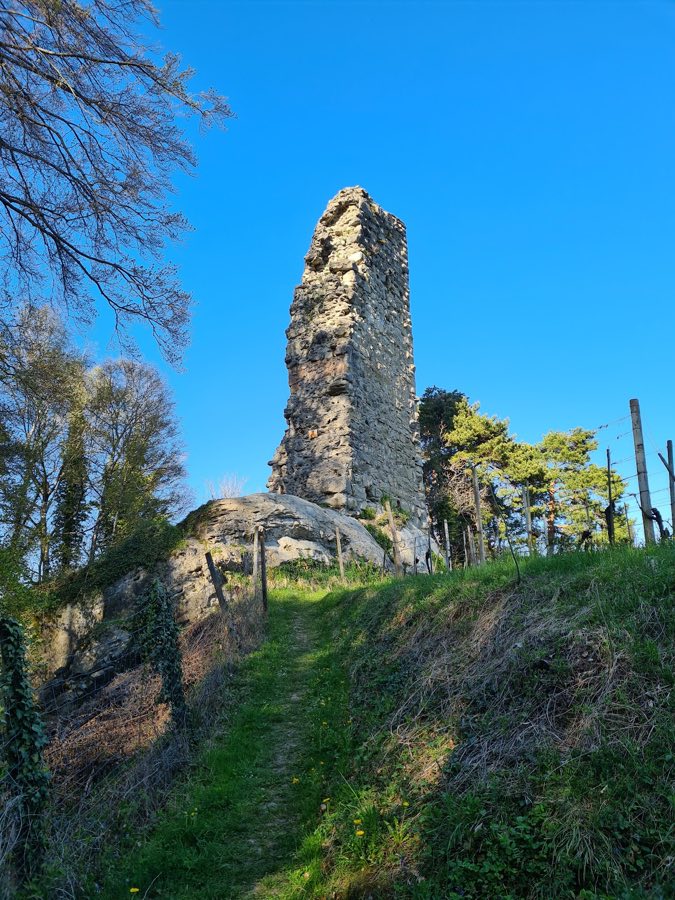
The site’s medieval origins lie beside an earlier tower at Hofen that, from 1218, served as the seat of Montfort ministeriales (unfree knights serving the Montfort lords) and as the burgmannsitz (residence of a castle official) for the nearby Lochau castle, often called Alt-Hofen. Alt-Hofen remained under Montfort control until 1451, and its fortified position was destroyed by troops of the Swabian League in 1452. In 1456 the ruined holding passed as an Austrian fief to Jos Mündelin. The older castle survives today as a ruin on a wooded ridge northeast of Lochau, above the later manor.
Control of Lochau changed in the later 15th century. From 1467 until 1658 the lords and counts of Raitenau held the place. Hans Gaudenz von Raitenau acquired Burg Hofen in 1562. Members of the Raitenau family transformed the site in the decades that followed: construction of the new Schloss Hofen began in 1584–85 next to the small St. Oswald chapel, and building work reached final form about 1616 under Hans Werner IV von Raitenau. The St. Oswald chapel had already stood beside the site; it was raised before 1496 by Hans Werner II von Raitenau and later dedicated as Holy Cross. Wolf Dietrich von Raitenau, born at Hofen in 1559, went on to serve as Prince-Archbishop of Salzburg from 1587 to 1612.
The Thirty Years’ War affected the manor directly. After successful Swedish operations around Lindau, Swedish forces took Schloss Hofen in 1646. Field Marshal Carl Gustav Wrangel established his headquarters there on 3 January 1647. In the decades after the war ownership passed through several noble houses: the lords of Königsegg-Rothenfels received the property in 1659, the Freiherren von Stotzingen in 1680, and Franz Joseph Maria von Debern in 1733.
From the mid-18th century Schloss Hofen adapted to new uses. Under Joseph Benedikt von Clavell and his descendants, between 1757 and 1848 the buildings were converted for brewery operations. During the 19th century the estate changed hands repeatedly and, in 1875, the property was made allodial, converted to private freehold ownership. From 1898 ownership passed into bourgeois hands.
The 20th century brought institutional uses. The Order of Saint Vincent de Paul in Zams acquired Schloss Hofen in 1908 and operated a home for mentally disabled children. During the First World War the building served as a reserve hospital and later as a convalescent home offering courses for disabled veterans. In 1929 the state of Vorarlberg purchased the property and provided it to the Children’s Rescue Association for a girls’ education institution run by the Sisters of Mercy; the pupils were moved in 1936 and the Sisters were required to leave in 1940. In the Second World War the castle again served military purposes, functioning as a hospital and as an office for the German Wehrmacht.
After the war the building entered vocational and public service. The state sold Schloss Hofen in 1951 to the Chamber of Commercial Economy, which opened a hospitality trades vocational school with boarding rooms in 1952. The state repurchased the property in 1972, carried out an extensive renovation, and opened a state education center for science and continuing education on 28 November 1981. In 1991 the center was reorganized as a non-profit limited company and since then has operated as a venue for education, science, and further training.
The complex presents as a castle-like Renaissance manor whose main residential block rises three storeys and takes the form of two wings set at an obtuse angle. This principal living range embodies the building phase begun by the Raitenau family in the late 16th century and brought to completion about 1616. A stone bearing the Raitenau coat of arms and the date 1585 sits above the outer entrance, marking the family’s work at the west-facing approach.
Adjacent to the residence the former service and economic building stood to the west of the main tract. Extensive alterations and restorations carried out since 1951 left only the outer walls of that service range intact; these surviving walls form the visible reminder of the estate’s historical working wing. Two annexes added in 1908 were removed during a later renovation, and in their place the site now has two freestanding access towers, described as access or circulation towers, which were installed as part of a general renewal completed in 2016.
The St. Oswald chapel adjoins the castle on the side nearest the older settlement. Originally raised as a private house chapel prior to 1496 by Hans Werner II von Raitenau, it was later dedicated as Holy Cross and remains attached to the manor complex. The older stronghold called Alt-Hofen appears as a ruin on a wooded ridge above Schloss Hofen and to the northeast of Lochau, providing a visible link between the medieval phase of occupation and the later Renaissance residence.
No. 35701
No. 29352
No. 88547
No. 34863
Comments
Comments for Schloss Hofen will require a verified account before posting.
We'll send a verification link before your first comment is published.