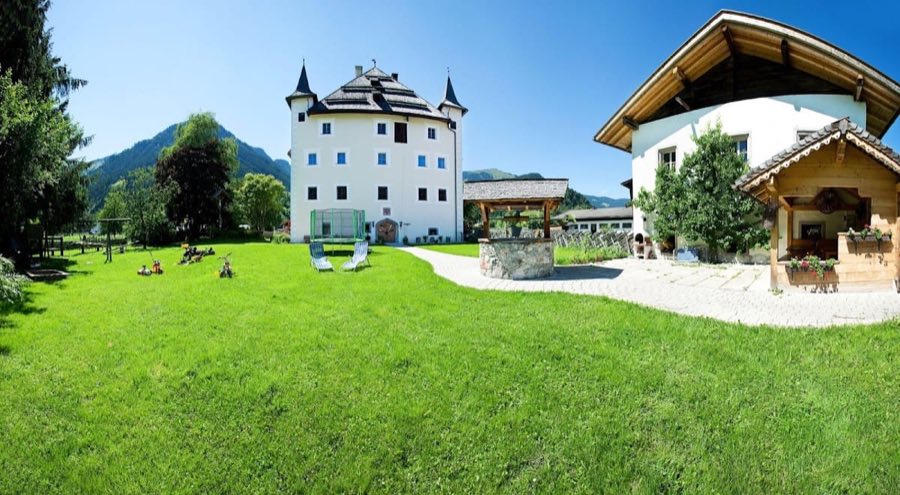
No. 91307
Castle Saalhof
Austria
CastleIntact11th century
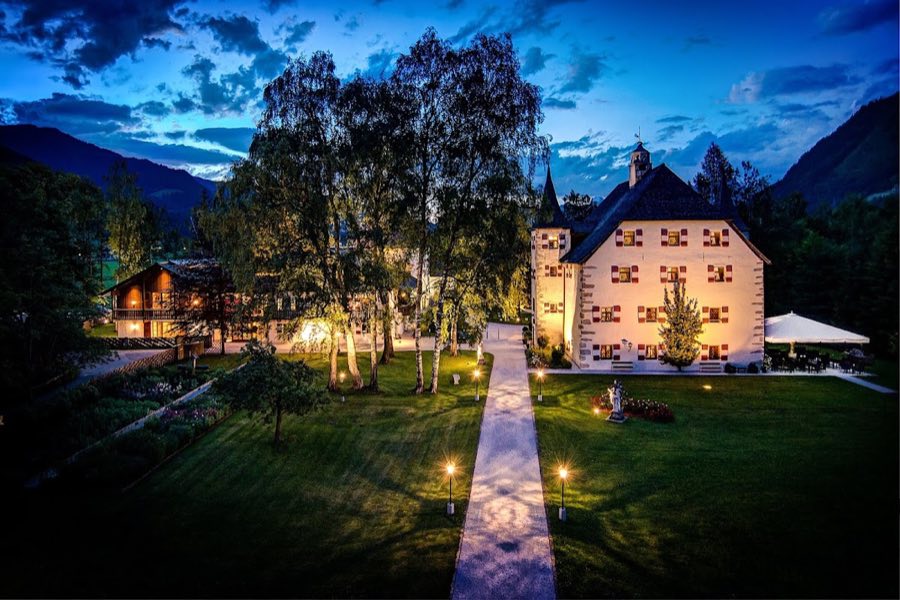
No. 88859
Castle · Austria
No. 88859 · 47.343 N, 12.806 E
For rent
Schloss Prielau is marked for bookable castle accommodation. Nightly pricing, sleeps count, stay rules, and amenities are displayed only when public operator data is available.
Rental type: Hotel / bookable stay, Short-stay rental
Short-term availability: Bookable accommodation signal
Quick summary
Schloss Prielau is a castle in Austria with origins associated with the 15th century.
See all castles in AustriaSchloss Prielau in Zell am See, Austria, is a historic palace with documentary roots in the early 15th century and a major rebuilding phase in the mid-16th century that gave it much of its present form. The residence sits at the north end of Lake Zell and developed as a landed seat tied over centuries to local noble families and to the bishops of Chiemsee, later passing through secular and private hands; its long use by ecclesiastical authorities and its survival through 20th-century upheavals underline its local historical importance.
The estate first appears in surviving records in 1425 under the name Christian Glaser zu Prielau. By 1466 the property belonged to Polykarp von Hunt. During the years 1560–1565 the building was reconstructed and took on the general shape that still defines the place today. In 1577 Caspar Panichner of Wolckersdorff owned the house; he also served as provost in Fusch and held judicial office in Zell am See. In 1590 the property passed to Dietrich Kuen-Belasy, Freiherr von Chiemsee, and it remained in the Kuen-Belasy family until 1722, when the Diocese of Chiemsee became the owner.
In 1730 a slightly detached chapel in the Baroque manner was established on the grounds and dedicated to the Holy Trinity. The chapel soon contained an image that was regarded as miraculous and accumulated numerous votive offerings, giving it a role as a local pilgrimage site. In 1803 the Diocese of Chiemsee was secularized as part of the wider secularisation of church territories and possessions that redistributed ecclesiastical estates across this period of political change. The last prince-bishop to make use of the palace was Sigmund Christoph von Waldburg-Zeil-Trauchburg, whose coat of arms remains above the gateway.
The castle was sold at auction in 1811. Names associated with the purchaser include Franz Neumayr and the sacristan Anton Neumayer; one account adds that this buyer had rented the nearby Schloss Kammer and purchased it in 1812. In 1932 Gertrud von Hofmannsthal, widow of the writer Hugo von Hofmannsthal, acquired and restored the house and made it her family residence. In 1940 the Gestapo seized the property and the von Hofmannsthal family left Austria for England. The estate became property of the Reich in 1942 and in 1943 the Reichsgau of Salzburg transferred it to the sculptor Josef Thorak, with a recorded purchase price of 60,000 Reichsmark. After the war, in 1947, Schloss Prielau was returned to the von Hofmannsthal family.
The Porsche family bought the property in 1987, carried out restorations, and adapted the complex for use as a small luxury hotel with dining rooms and guest accommodation. The building and its chapel are protected as monuments, listed under Austrian monument-protection entry numbers 35435 for the castle and 61264 for the chapel. Since May 2004 the hotel operations have been run by Andreas Mayer and his wife Anette Mayer.
Schloss Prielau stands as a large three-storey residence set within a park that reaches down to the northern shore of Lake Zell. The main block preserves the massing established in the mid-1500s, with a hipped, pavilion-style roof that until recent work was covered in wooden shingles. A small roof turret with a cupola punctuates the silhouette. Two principal facades are each marked by a central square tower, giving a balanced, formal appearance to the exterior.
The principal entrance is in the west tower, and above that gate the coat of arms of Sigmund Christoph von Waldburg-Zeil-Trauchburg is displayed, a surviving emblem from the period when the prince-bishop used the residence. Inside, representative rooms on the first floor retain rich decoration and coffered ceilings (sunken, paneled ceiling bays). Many furnishings that belonged to the Kuen-Belasy family and to the bishops of Chiemsee remain in the interior, linking the present rooms to earlier phases of ownership and use. The overall fabric of the house has been renovated for contemporary use, while key historic surfaces and fittings survive in situ.
Slightly apart from the main house stands a Baroque chapel built in 1730 and dedicated to the Holy Trinity. The chapel contains an image from the castle that was regarded as miraculous and preserves numerous older votive images, which document its function as a place of pilgrimage. The chapel is maintained as part of the monument ensemble and its finishes and votive material are preserved.
The estate grounds combine historical landscape and later additions. The park extends to the lake and contains a fenced area for red deer, a private beach on the lake’s northern shore, and facilities introduced during the property’s conversion for modern hospitality, including a golf area, a helicopter landing site, and a wellness complex with sauna, steam room and massage facilities. The castle and chapel are entered on the national monument register under the numbers cited above, and the principal buildings stand restored and in active use.
No. 91307
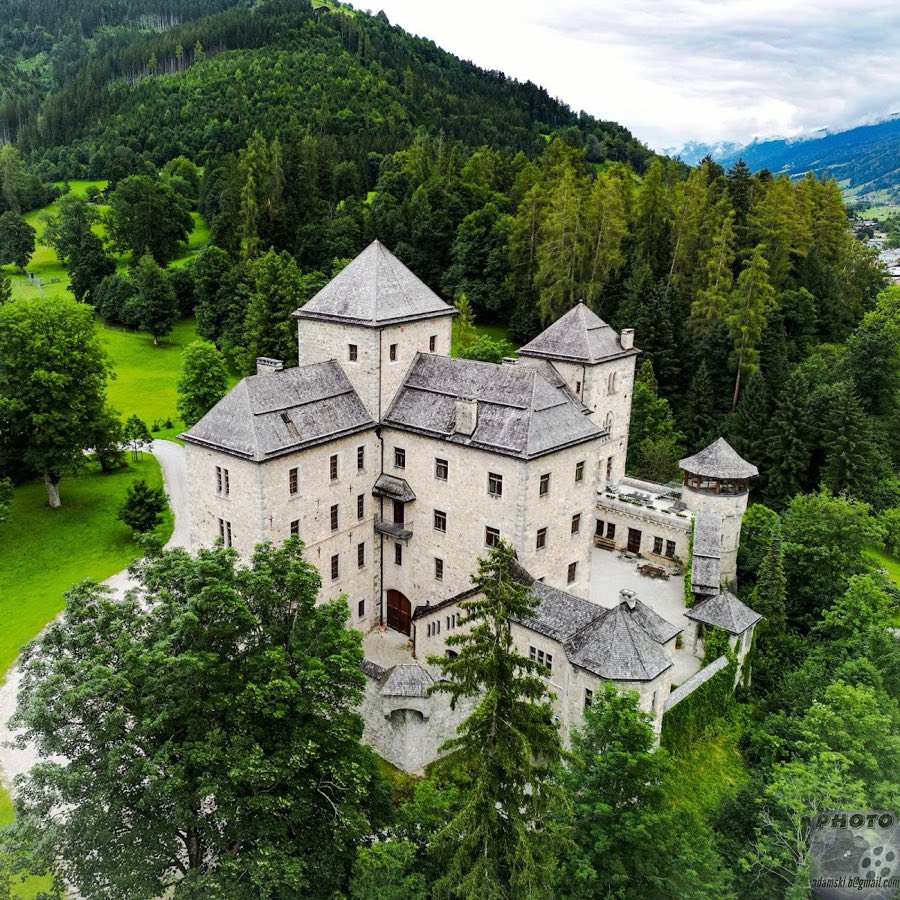
No. 68030
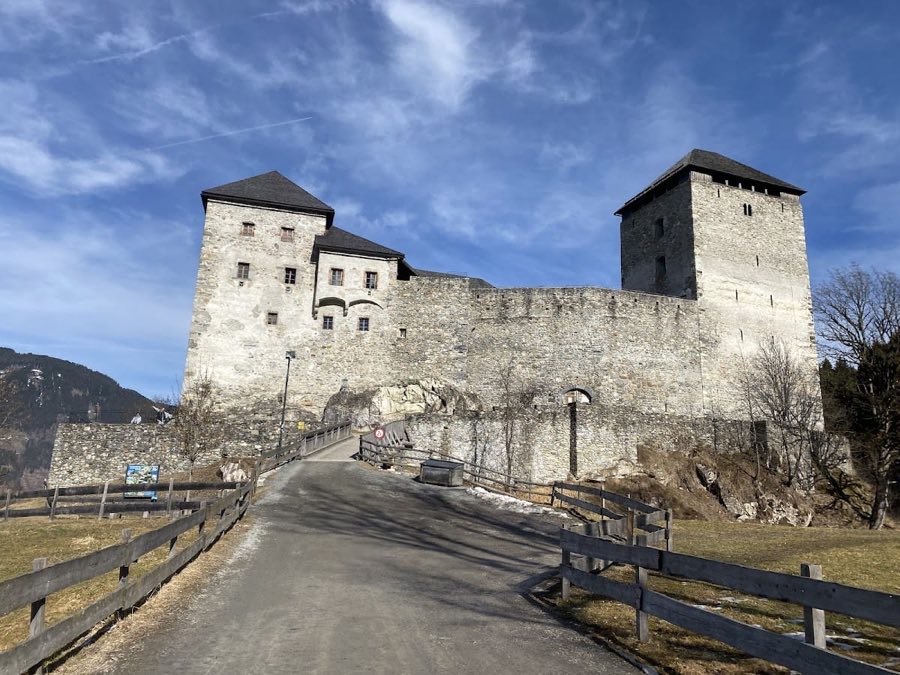
No. 21268
No. 51823
Comments
Comments for Schloss Prielau will require a verified account before posting.
We'll send a verification link before your first comment is published.