No. 38581
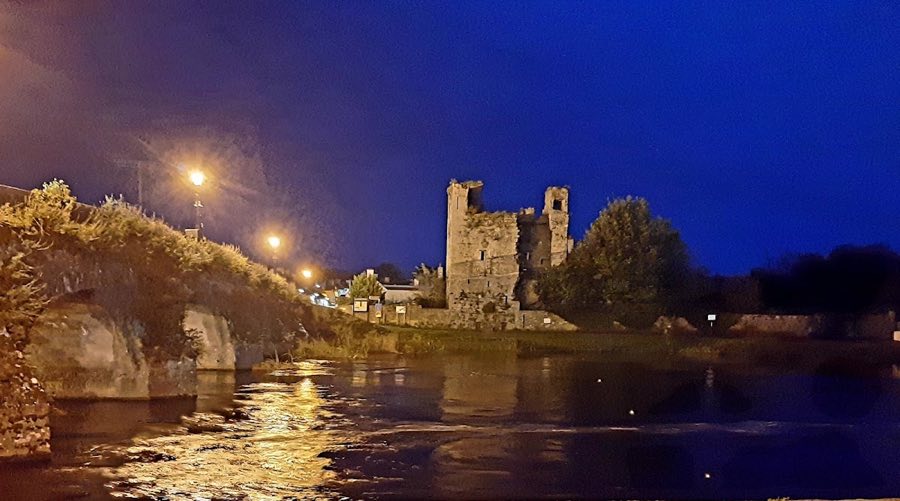
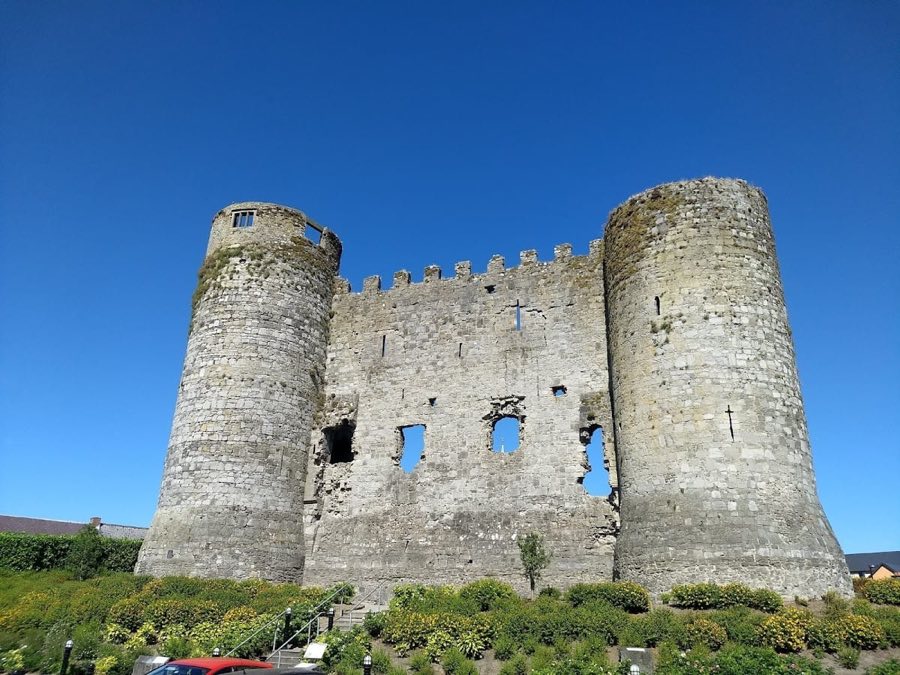
Leighlinbridge Castle
Ireland
CastleRuin12th century
No. 66683
Tower house · Ireland
No. 66683 · 52.687 N, 7.022 W
Quick summary
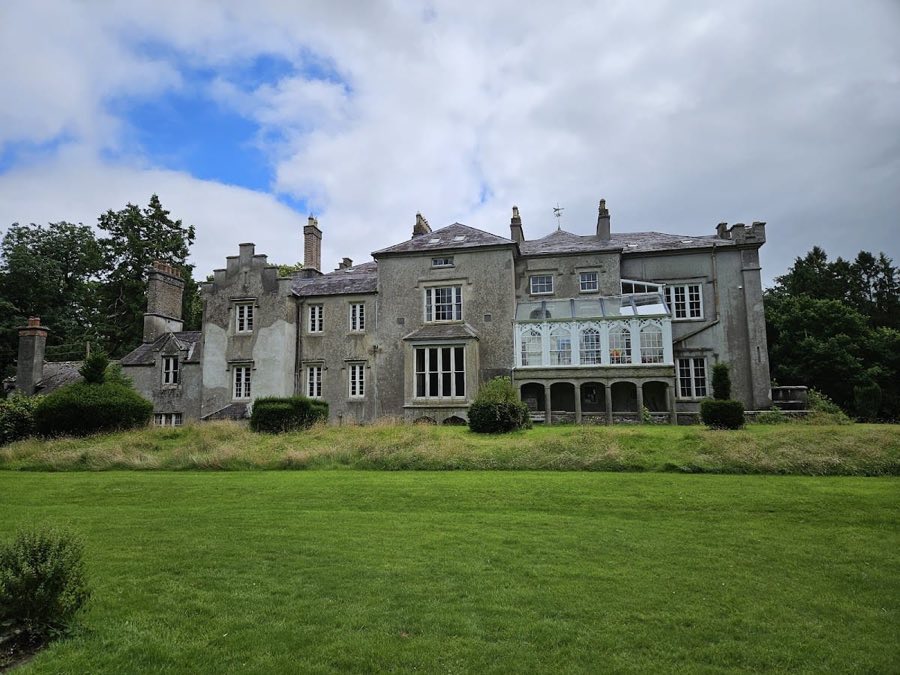
Shankill Castle is a tower house in Ireland with origins associated with the 15th century.
See all castles in IrelandShankill Castle is located in Paulstown, County Kilkenny, Ireland. The origins of the site trace back to the mid-15th century when the Butler family constructed a tower house near the remains of an earlier church.
Around 1450, the Butlers established their fortified residence on these lands, making use of a defensive tower design typical of the period. The church adjacent to the tower house fell into ruins over subsequent centuries, leaving only remnants visible near the castle grounds.
In 1708, ownership of the estate changed through marriage when Peter Aylward acquired the lands from the Butler family. Following this transition, Aylward undertook a major rebuilding of the castle, converting it from its original military function into a comfortable country house. This period also saw the creation of a formal landscape, including a carefully arranged front vista and the introduction of a canal to the rear of the property.
The 19th century brought further enlargement and ornamental changes to the castle. The building was extended and given castellated battlements to enhance its appearance. The canal was reshaped with graceful serpentine bays, and a distinctive polyhedral sundial was installed on a sunken lawn, reflecting the era’s interest in decorative garden features. Additional architectural work included a Gothic-style porch bearing the Aylward family crest and a conservatory. Some parts of the stables and the entrance gate, designed with castellations, are attributed to the architect Daniel Robertson, while other structures may have been designed by William Robertson, active during the late 18th and early 19th centuries.
Throughout these changes, the interior preserved elements of its 18th-century character, such as a Georgian staircase with elegant woodwork, decorative Gothic plaster ceilings, and a drawing-room furnished in the Victorian style.
The castle remained in the hands of the Toler-Aylward branch of the Butler family until 1991. Although this family lineage still has members residing in County Kilkenny, the castle itself later became home to the artist Elizabeth Cope. Today, it also serves as a location for an artist residency program under ResArtis.
Local stories connected to Shankill Castle include legends of ghosts and a mysterious event described as a “Murder at the Last Supper.” These tales persist in oral traditions but are not supported by documented historical evidence.
Shankill Castle stands as a castellated country house that evolved from its original 15th-century tower house origins. The layout centers around a main residence built in stone, designed both to impress and to provide comfort as a rural home rather than a fortress. The setting features formal gardens with a clear front vista and a canal at the rear, which was enhanced in the 19th century with sweeping serpentine bays offering a scenic water feature.
Architectural highlights visible on the exterior include a Gothic porch that proudly displays the Aylward family crest, echoing the villa’s familial heritage. The castle also includes a conservatory, demonstrating 19th-century interest in glass structures for plant cultivation and leisure. The stable-yard and the castellated entrance gate reflect the influence of the noted architect Daniel Robertson, known for incorporating medieval revival details in his work.
Inside the castle, much of the 18th-century design remains intact. Visitors can observe a Georgian-style staircase distinguished by fine wood craftsmanship, ornamental Gothic plaster ceilings that add a medieval flavor, and a Victorian drawing-room which retains its original character.
The surrounding gardens preserve traces from different eras. An alley of lime trees dates back to the 18th century, while expansive laurel lawns were planted in the 19th century. Afternoon strolls might reveal some of Victorian planting choices, such as towering giant sequoias, alongside 20th-century self-sown ash trees that have taken root naturally over time.
The moated garden, once dedicated to growing roses and subsequently planted with Sitka spruces, now functions as a spring garden filled with seasonal blooms. Nearby, the graveyard is noted for plants that flower throughout the year, adding color to the historic grounds.
A walled garden contains an apple arch that is underplanted with red tulips, providing a vivid display of color each spring. Against a mellow brick wall, antique pear trees shaped in the traditional goblet style are trained carefully to maximize fruit production and aesthetic appeal.
Among the estate’s trees, three are recognized in the Tree Register of Ireland, maintained by the Tree Council of Ireland. These are the Commoime, a Dutch lime tree; the Wellingtonia, known as the Giant Sequoia; and two Monterey cypresses. Their registration marks them as specimens of botanical and historical importance within the landscape surrounding Shankill Castle.
No. 38581
No. 77860
No. 83485
No. 98428
Comments
Comments for Shankill Castle will require a verified account before posting.
We'll send a verification link before your first comment is published.