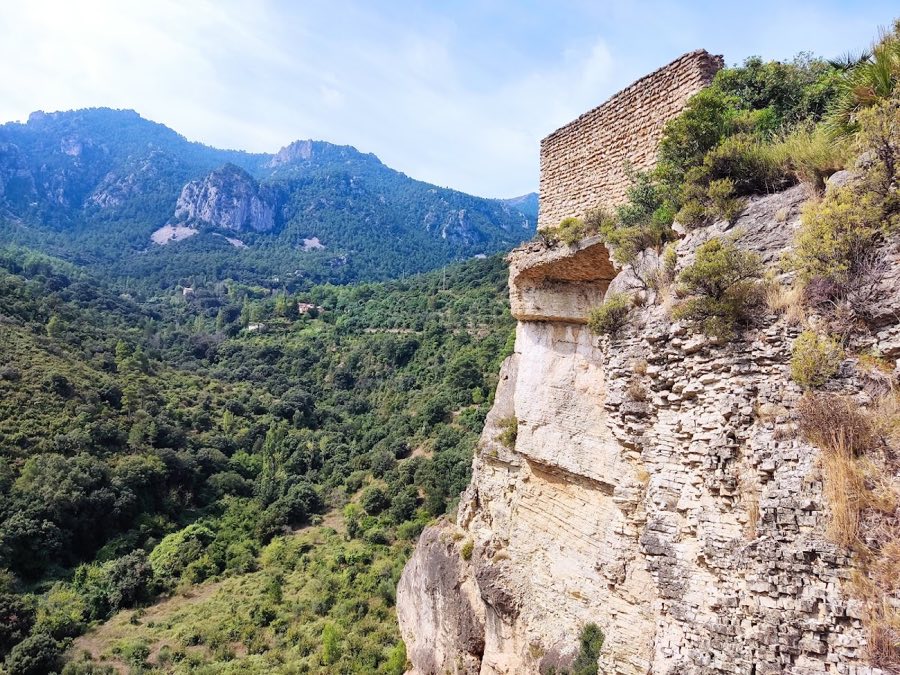
No. 64738
Castell de Carles
Spain
CastleRuin15th century
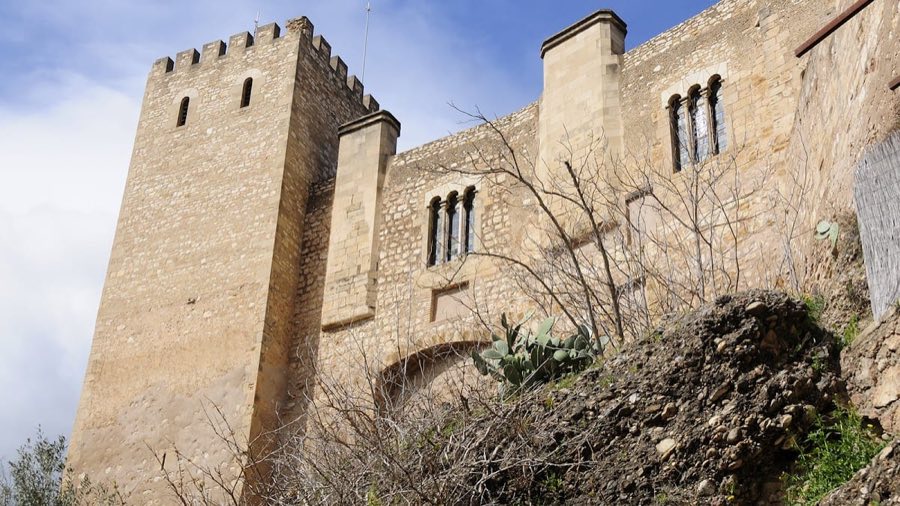
No. 92952
Castle · Spain
No. 92952 · 40.815 N, 0.523 E
Quick summary
Suda de Tortosa is a castle in Spain with origins associated with the 10th century.
See all castles in SpainThe Suda de Tortosa is a medieval fortress situated in the city of Tortosa, Spain. Its origins trace back to Roman times, when the first fortifications were established on the site. The name “Suda” comes from the Arabic word for castle or fortress, reflecting the period when the area was under Muslim control.
During the 10th century, the fortress saw significant development under the rule of the caliph Abd ar-Rahman III. This era left a lasting cultural imprint, as evidenced by archaeological finds such as inscriptions and funerary objects near the castle. In December 1148, the castle was captured by Ramon Berenguer IV as part of the Christian Reconquista. Following this conquest, the fortress was divided into three parts: two sections were granted to knights Guillem Ramon I de Montcada and Pere de Sentmenat for their support, while Ramon Berenguer IV retained control of the remaining portion.
King James I of Aragon later favored the castle as a residence and used it as a strategic base for military campaigns aimed at reclaiming nearby territories such as Morella, Peníscola, and Burriana. By 1294, when Tortosa came under direct royal authority, the castle was transformed into a royal palace. This period saw the addition of new chambers and enhanced defensive structures.
In the 14th century, the fortress was governed by Infante Ferran, Marquis of Tortosa, until 1363. At that time, King Peter IV, known as “the Ceremonious,” reclaimed the castle along with the city’s jurisdiction and undertook further expansions to strengthen the fortress. Throughout the Middle Ages, the castle also served as a seat for a court of justice, highlighting its administrative importance.
Later centuries brought additional modifications, particularly in the 17th and 18th centuries, when new constructions linked two adjacent hills to create a unified defensive system. These changes partially concealed earlier medieval and Roman elements but contributed to the fortress’s continued military relevance.
The Suda de Tortosa occupies a strategic position atop two neighboring hills, which were eventually connected by 17th and 18th-century fortifications to form a single defensive complex. The castle’s layout historically consisted of three separate sections, reflecting the division granted to different knights after the Reconquista.
At its foundation lie the original Roman walls, which provide a base for the later medieval structures. Above these, much of the medieval architecture remains hidden beneath the later additions. Within the fortress, three ancient fireplaces and four large windows exemplify the Catalan Gothic style and are preserved today in the building that serves as the modern tourist office.
The castle also contains a well-preserved arsenal, or armory, indicating its role in military defense. A notable feature is a large, deep well surrounded by underground galleries. These subterranean passages house the remains of an ancient mill and two ovens, suggesting the site’s capacity for self-sufficiency during sieges or extended occupation.
Near the entrance to the fortress lies a Muslim cemetery, an important archaeological site. Excavations in 1972 uncovered a 10th-century epitaph referencing a city governor, as well as a funerary chest lid inscribed with Quranic verses in Kufic script, an early form of Arabic calligraphy. These artifacts are preserved in the Tortosa City Museum, providing valuable insight into the Islamic period of the castle’s history.
Together, these features illustrate the layered history of the Suda de Tortosa, from its Roman origins through Muslim rule and Christian reconquest, to its later role as a royal palace and military stronghold. The castle’s designation as a Spanish historical-cultural monument recognizes its significance and the preservation of its diverse architectural and archaeological heritage.
No. 64738
No. 28187
No. 29186
No. 88825
Comments
Comments for Suda de Tortosa will require a verified account before posting.
We'll send a verification link before your first comment is published.