No. 22972
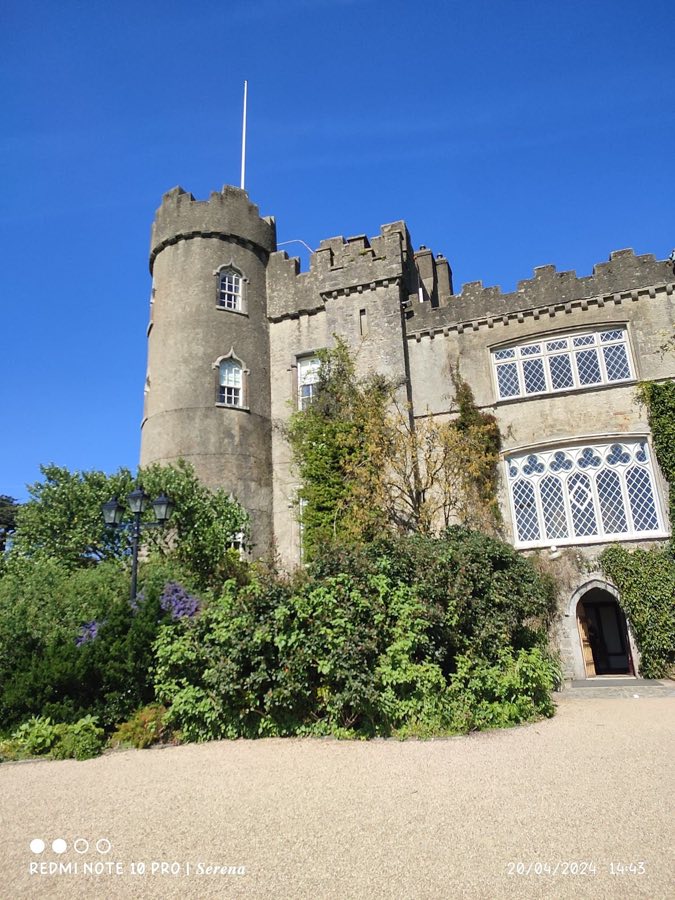
Malahide Castle
Ireland
CastleRestoredFor events12th century
No. 73578
Castle · Ireland
No. 73578 · 53.460 N, 6.220 W
For events
Swords Castle is marked as a château or castle venue lead. Capacity, indoor/outdoor spaces, catering rules, and accommodation options are published only after public verification.
Event types: Weddings, Private events, Cultural gatherings, Filming and photography
Ceremony spaces: Ceremony setting to verify
Quick summary
Swords Castle is a castle in Ireland with origins associated with the 19th century.
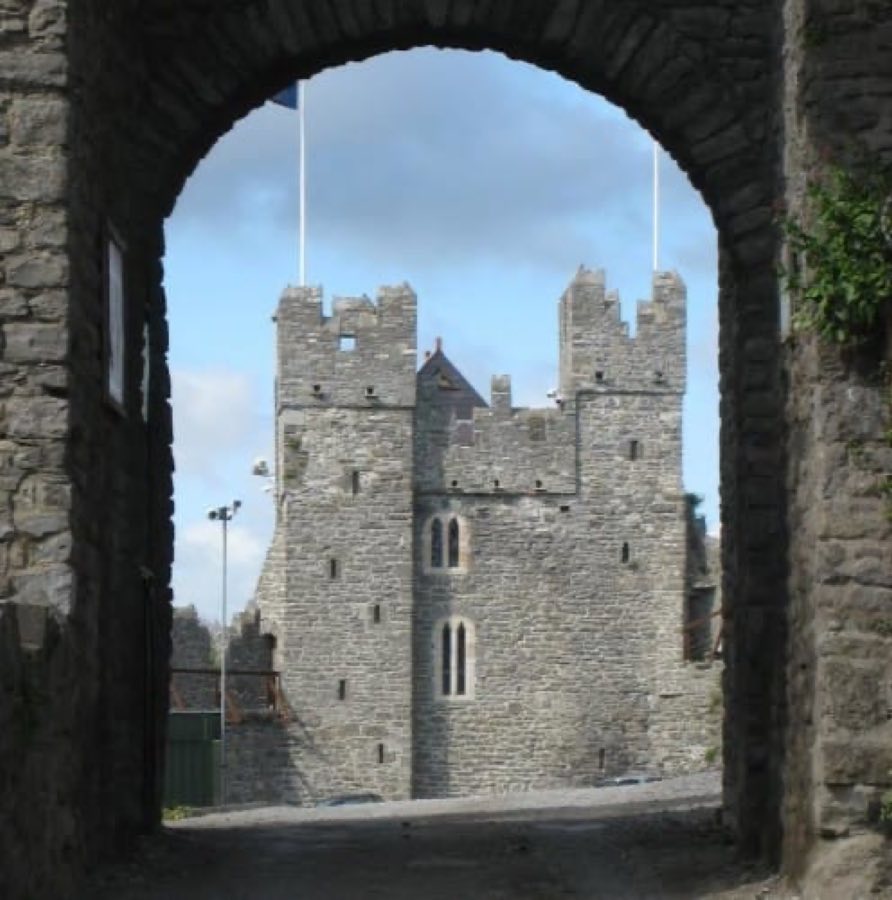
See all castles in IrelandSwords Castle is located in the town of Swords, Ireland, and was built by Anglo-Norman settlers shortly after 1200. It was established as the main residence of John Comyn, the first Anglo-Norman Archbishop of Dublin, serving both as his home and as an administrative center for the surrounding territory.
For about a century, the castle functioned as the principal episcopal seat, hosting an ecclesiastical court and managed by its own seneschal, a steward overseeing the estate. This period ended after 1324 when Archbishop Alexander de Bicknor constructed a new palace at Tallaght. Around this time, Swords Castle suffered damage, likely from the 1317 military campaign led by Edward Bruce, which contributed to its decline as an archiepiscopal residence.
Despite losing its status as the archbishop’s main home, Swords Castle continued to house constables and officials into the 14th and early 16th centuries. One known constable, Thomas Fitzsimons, was appointed in 1547. Later, the Barnewall family came to hold tenancy and the post of constable, maintaining a presence at the site.
In 1583, the castle briefly accommodated Dutch Protestant settlers. The Viceroy of Ireland, Sir Henry Sydney, repaired parts of the structure to shelter these weavers, who were brought in with the hope of developing local industry. This reflects a shift in the castle’s function toward supporting economic initiatives rather than solely serving ecclesiastical or military roles.
During the 1641 Rebellion, the castle became a refuge for Anglo-Irish Catholic families living in The Pale, the English-controlled region around Dublin. In a violent clash, these families were dispersed by forces under Sir Charles Coote, suffering many casualties. Archaeological discoveries of burials near the castle may be connected to this event.
By the 19th century, Swords Castle had lost much of its former importance and was repurposed for agricultural use. Robert Savage, a local shopkeeper who leased the grounds, transformed the area into a garden or orchard for growing and selling produce.
Efforts to preserve the castle began in the 20th century. The Irish Office of Public Works took guardianship of the site during the 1930s. Later, in 1985, Dublin County Council acquired the property and initiated a program to restore the castle. Restoration work started in earnest in 1995, with significant progress made on the Constable’s Tower between 1996 and 1998. While restoration continues on other parts of the castle today, sections have been adapted for modern uses, including serving as a filming location and opening the chapel for weddings in recent years.
Swords Castle is enclosed within a large five-sided, or pentagonal, curtain wall that stretches approximately 305 meters around the site, enclosing an area close to 6,000 square meters (about 1.5 acres). This extensive enclosure is notably larger than is typically found in Irish castles of the period, suggesting the importance of the complex in both its religious and administrative roles.
Within this enclosure, the castle housed a variety of buildings. The archbishop’s apartments were complemented by living spaces for knights and a hall used for banquets. Near the main southern entrance, rooms for the warder and janitor were located on either side of the gateway, with a priest’s chamber positioned above this entrance, implying a carefully arranged functional layout.
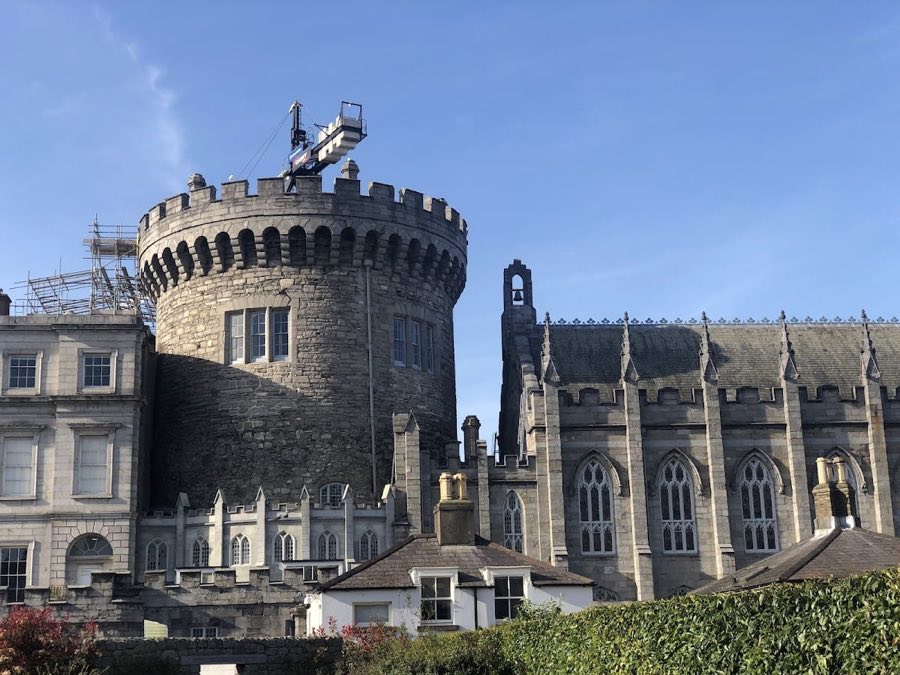
On the northern side of the castle grounds stands a prominent tower believed to have served as the Constable’s residence. This tower has been restored in recent years, reflecting its significance within the complex.
The southern face of the castle features an imposing gateway complex, providing the main point of access into the enclosure. Adjoining the castle is a chapel built in the late 13th century, likely intended as a private place of worship for the archbishop.
Historical records from 1326 describe additional structures within the castle grounds, including a great hall on the eastern side. While these buildings no longer survive, their past existence was documented in formal inquiries of the time.
The castle’s defenses were not designed for heavy military warfare. Its battlements are stepped, a style that hints at some form of occupation or repair during the 15th century rather than robust fortification.
Archaeological excavations have revealed important features beneath the surface. These include medieval tile pavements that once decorated interior floors. In addition, human burials uncovered during digs likely relate to the violent events of the 1641 Rebellion, providing a tangible link to the castle’s turbulent history.
Today, the castle stands with the Constable’s Tower restored and accessible, while other sections remain under restoration to preserve and better understand this historic site.
No. 22972
No. 33880
No. 10634
No. 16294
Comments
Comments for Swords Castle will require a verified account before posting.
We'll send a verification link before your first comment is published.