No. 53692
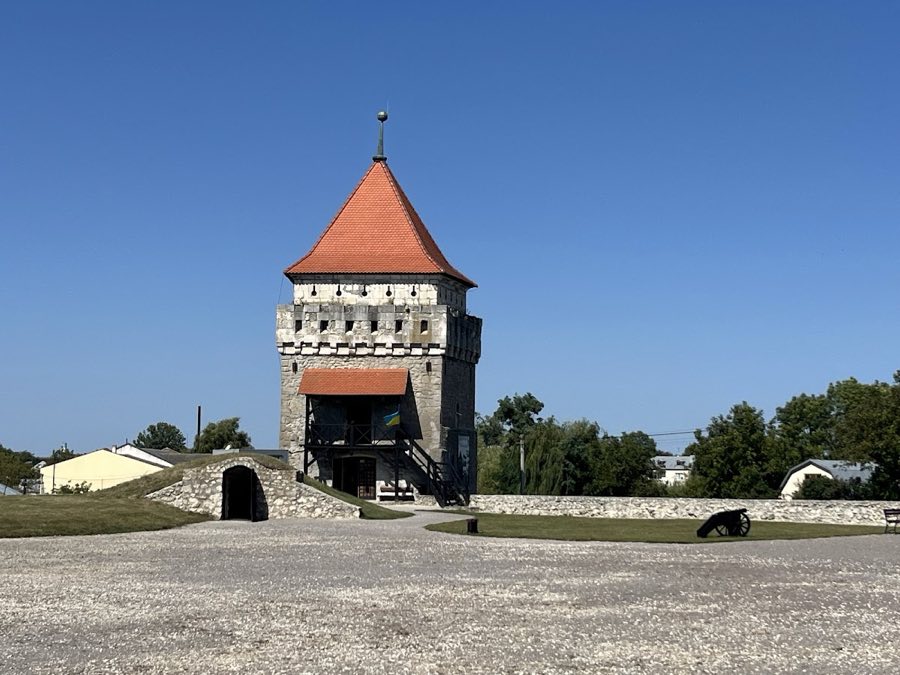
Skalat Castle
Ukraine
CastleRestored17th century
No. 18512
Castle · Ukraine
No. 18512 · 49.299 N, 25.683 E
Quick summary
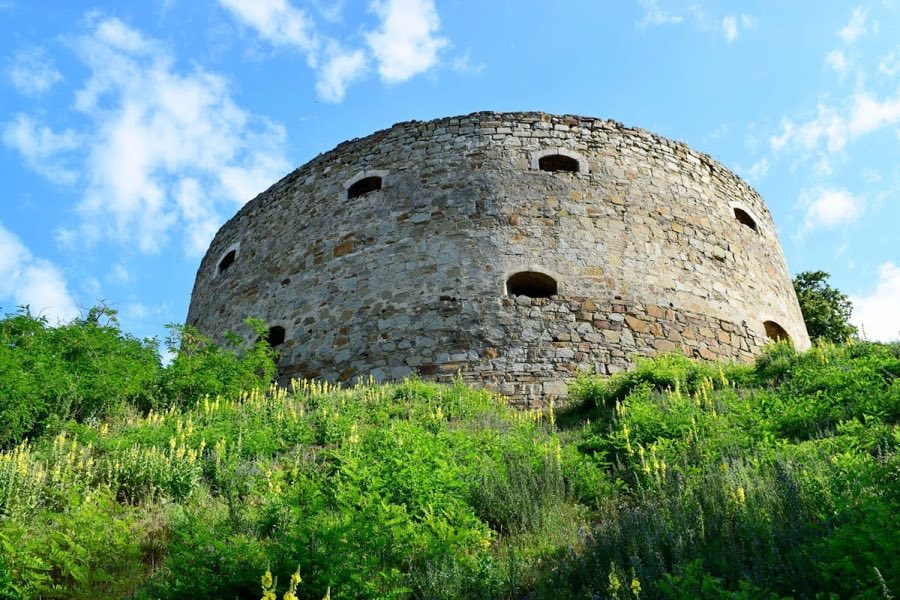
Terebovlia Castle is a castle in Ukraine with origins associated with the 17th century.
See all castles in UkraineTerebovlia Castle stands in the town of Terebovlia, located in what is now Ukraine. The original stronghold was established by the East Slavic peoples during the early medieval period, reflecting the region’s strategic importance in the landscape of emerging principalities.
The earliest fortress on this site dates back to the 9th and 10th centuries. It was primarily a wooden structure featuring multiple defensive layers and included a stone church within its walls. This fortress was built during the rule of Prince Vasylko Rostyslavych, a descendant of the famous ruler Yaroslav the Wise. The castle served as the center of the Principality of Terebovlia. After Vasylko’s death in 1124, the territory became part of the Principality of Halych and later the Halych-Volhynia principality. For a short time under Vladimir Igorevich, it briefly regained independence until the castle was destroyed during the Mongol invasion led by Batu Khan in 1241.
Reconstruction began several centuries later when Polish King Casimir III the Great rebuilt the fortress in stone between approximately 1340 and 1360. This marked a significant transition in its defensive capabilities, as the new walls were made of stone and measured between one and two meters thick. The castle was further expanded in 1534 under the guidance of the Kraków castellan Andrzej Tęczyński. Despite such efforts, the fortress suffered from repeated attacks by Tatar raiders throughout the 15th and 16th centuries, leading to periods of decline.
A major rebuilding took place in the 1630s, led by the starosta (local governor) Aleksander Bałaban. This reconstruction gave rise to the castle whose ruins remain today. During the mid-17th century, the castle was briefly taken by Cossacks in 1648 but was returned to Polish control after an armistice. It subsequently played a defensive role against both Cossack, Turkish, and Tatar forces.
The castle’s military importance increased during the Polish–Ottoman War of 1672 to 1676 when it served as a crucial border stronghold after the region of Podolia was partitioned by the Ottoman Empire in 1671. In 1675, the fortress successfully resisted a siege by a large Ottoman-Tatar army led by Pasha Ibrahim Shyshman. The attackers withdrew after failing to capture the stronghold. Over the following centuries, the castle was gradually abandoned and fell into ruin during the 18th and 19th centuries. Before 1939, a monument honoring Zofia Chrzanowska was erected near the ruins, commemorating her connection to the site.
The remains of Terebovlia Castle reflect its final major reconstruction from the 1630s under Aleksander Bałaban. The surviving ruins reveal a fortress originally built with imposing stone walls ranging from 3.5 to 5 meters thick and reaching up to 18 meters in height. This robust construction highlights the enhanced defensive capabilities introduced during the 17th century rebuilding effort.
The entrance to the castle was designed to be highly defensible. It was located about three meters above the ground and accessed only by a wooden platform that could be removed in case of a threat, thereby preventing easy entry. This elevated doorway replaced an earlier northern gate from the original wooden fortress, which itself had cellars beneath the structure. The wooden fortress of the 9th and 10th centuries included a stone castle church, which was likely destroyed during the 1630s reconstruction that shaped the current ruins.
Archaeological investigations have revealed that the earliest fortress had multiple defensive lines, emphasizing layered protection. While the fortress did not contain a traditional well, water was supplied through underground channels and reservoirs, ensuring access during sieges. The castle’s position on the edge of the Gniezny canyon near where it meets the Seret River further contributed to its natural defenses.
Today, only the lower portions of the strong walls have survived, standing as fragmentary yet tangible evidence of the castle’s historic role. The site’s layout and surviving features tell the story of centuries of adaptation and conflict in this borderland area. Near the ruins, the monument to Zofia Chrzanowska serves as a reminder of the site’s ongoing cultural memory.
No. 53692
No. 16801
No. 38037
No. 61142
Comments
Comments for Terebovlia Castle will require a verified account before posting.
We'll send a verification link before your first comment is published.