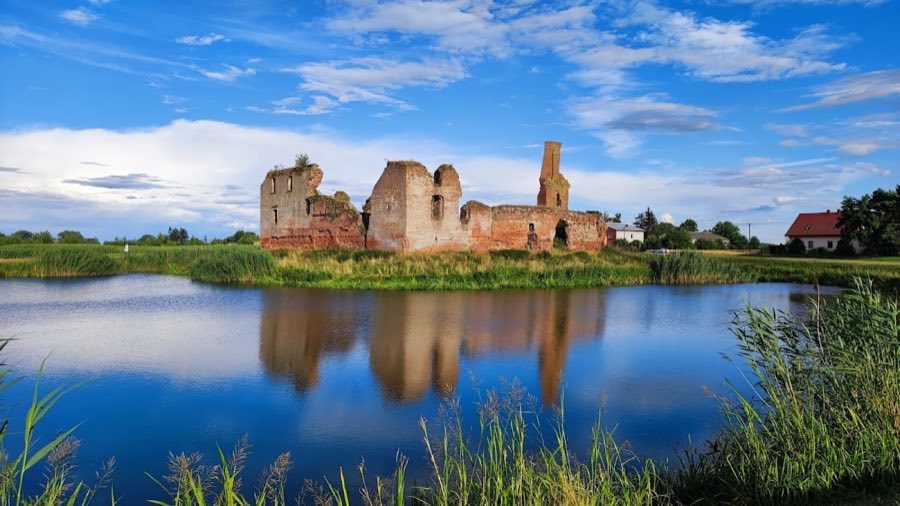
No. 71314
Besiekiery Castle
Poland
CastleRuinFor events16th century
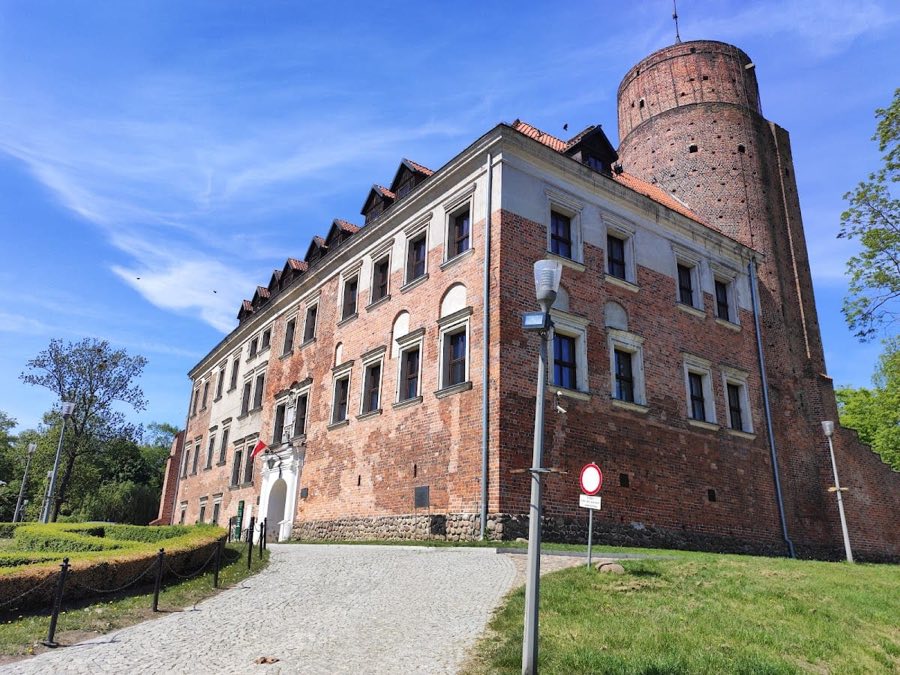
No. 66961
Castle · Poland
No. 66961 · 51.973 N, 18.791 E
For events
Uniejów Castle is marked as a château or castle venue lead. Capacity, indoor/outdoor spaces, catering rules, and accommodation options are published only after public verification.
Event types: Private events, Cultural gatherings, Filming and photography
Quick summary
Uniejów Castle is a castle in Poland with origins associated with the 14th century.
See all castles in PolandUniejów Castle is located in the town of Uniejów, Poland. It was originally built by the Polish civilization in the mid-14th century as a stronghold and administrative center associated with the Archbishopric of Gniezno.
The castle’s origins date back to the years between 1360 and 1365, when Archbishop Jarosław Bogoria Skotnicki initiated its construction on the site of an earlier wooden fortification. This original structure had been destroyed during a Teutonic Knights’ invasion of Uniejów in 1331. The new stone and brick castle was designed to serve as a bishop’s fortress on the left bank of the Warta River, forming part of a defensive line to protect northern approaches to the core of the Polish state. Beyond its military role, the castle housed important diocesan functions, including a library, archives, and the treasury related to the nearby Gniezno Cathedral.
By 1376, the castle had gained significance as a religious and political venue, hosting a synod attended by a papal envoy, underscoring its place within the church hierarchy. Over time, changes in military technology and political circumstances shifted the castle’s use. After suffering a damaging fire in 1525, it was rebuilt by the royal official Stanisław of Gomolin. The reconstruction, completed in 1534, transformed the stronghold into a Renaissance-style residence, largely removing the original Gothic elements.
In the early 17th century, Uniejów Castle ceased to function primarily as a military fortress and was remodeled in an early Baroque style. It became the residence of prominent bishops such as Jan Wężyk and Maciej Łubieński, evident from a grand entrance portal bearing their coats of arms dating from this period. However, the castle’s military significance did not entirely vanish, as it endured damage during an attack by the Saxon army in 1704. A subsequent fire in 1736 destroyed the roofs over both the residential buildings and the tower; these were restored under the supervision of Bishop Krzysztof Antoni Szembek.
In the 19th century, the castle entered a new chapter when it was granted by the Russian Tsar to General Karol Toll as a reward for his role in suppressing the 1830-31 November Uprising. Although General Toll did not live there, the estate remained with his family, who had adopted Polish culture. His son Aleksander Toll commissioned a Romantic-style renovation with Classicist influences in 1848. Around the same time, the family established a landscaped park featuring both native and exotic trees west of the main residence, adding a new cultural dimension to the site.
The 20th century brought hardship to Uniejów Castle, with significant damage occurring during World War II and the following years. Restoration efforts took place between 1956 and 1967, during which the castle was adapted to serve as an archival facility. Today, while the historic structure retains its layered past, it has been further adapted for contemporary uses including hospitality and events.
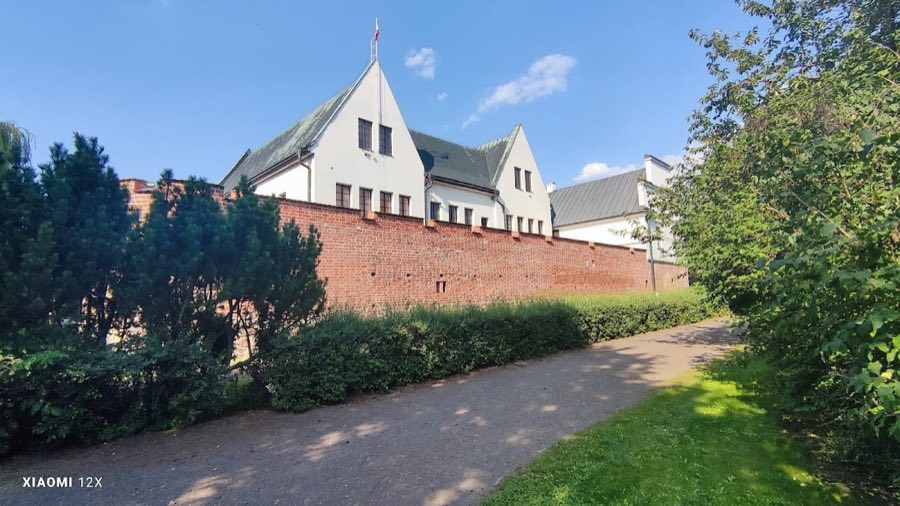
The castle stands on a quadrangular layout, a common medieval design, anchored by a distinctive cylindrical defensive tower known locally as a stołp. This tower rises approximately 25 meters and was originally constructed to provide a strong, secure vantage point over the surrounding landscape. The primary building materials are stone and brick, reflecting medieval construction techniques aimed at durability and defense.
The initial Gothic features of the castle underwent extensive alteration during the Renaissance rebuilding after the fire in 1525. This remodeling removed much of the medieval architectural style, replacing it with elements characteristic of the 16th century. Later, in the early 17th century, the castle’s appearance was further changed through Baroque modifications. The most notable addition from this era is the elaborately designed entrance portal, which displays the coats of arms of bishops Jan Wężyk and Maciej Łubieński, serving as historical markers of the castle’s occupancy by these clergymen.
Following the 1736 fire which ravaged the roofs of the residential buildings and the tower, repairs restored the outer silhouette and roofing structures of the complex. In the 19th century, the Toll family’s Classicist-inspired renovation introduced Romantic stylistic touches to the castle’s appearance. Alongside these architectural changes, a landscaped park was developed to the west, featuring a mix of native Polish and exotic tree species, adding both aesthetic and cultural value to the estate.
By the mid-20th century, the castle had suffered considerable damage, primarily due to wartime destruction and neglect. However, restoration conducted from 1956 to 1967 secured the remaining structures and adapted the castle for use as an archive. Today, the complex includes facilities repurposed for modern hospitality and conference activities while preserving key historical elements of the building and its grounds.
No. 71314
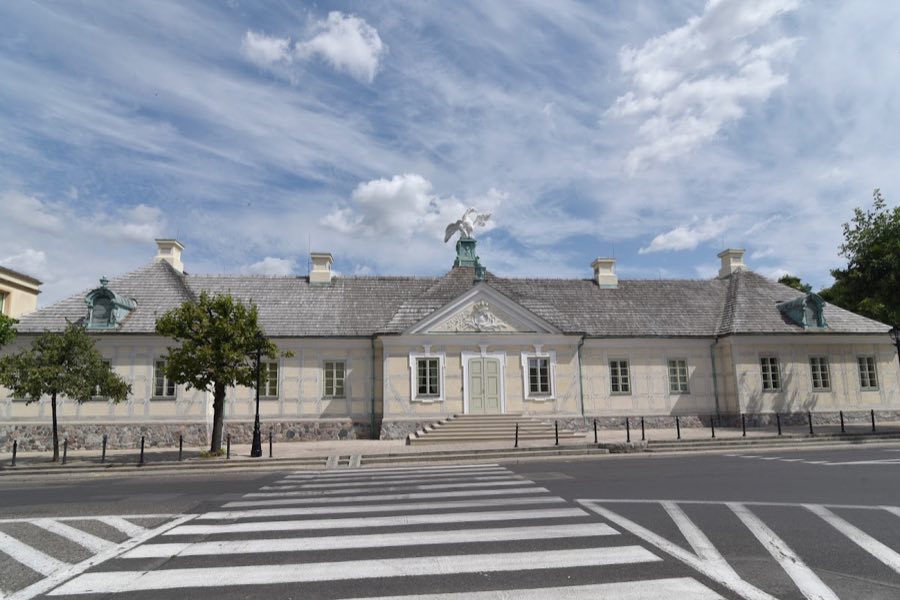
No. 70957
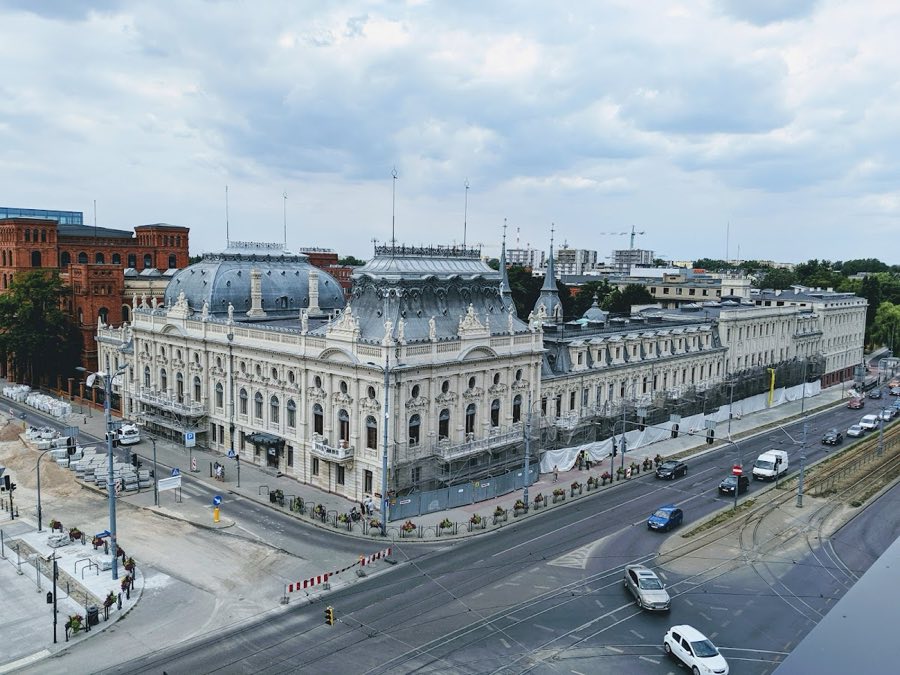
No. 36839
No. 45179
Comments
Comments for Uniejów Castle will require a verified account before posting.
We'll send a verification link before your first comment is published.