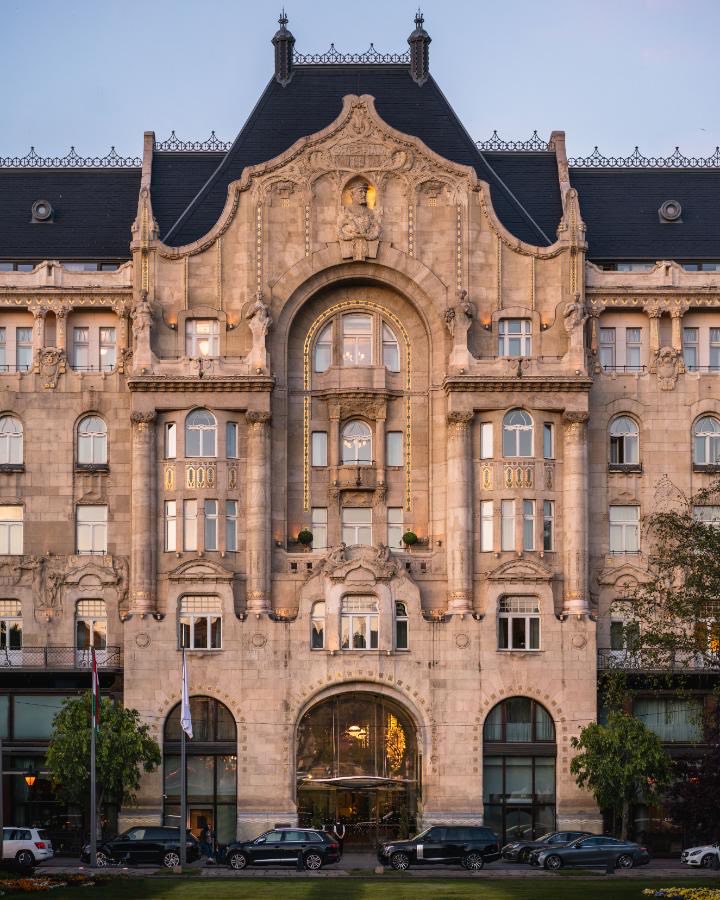
No. 94461
Gresham Palace
Hungary
PalaceRestoredFor rent20th century
No. 71790
Castle · Hungary
No. 71790 · 47.515 N, 19.082 E
Quick summary
Vajdahunyad Castle is a castle in Hungary with origins associated with the 15th century.
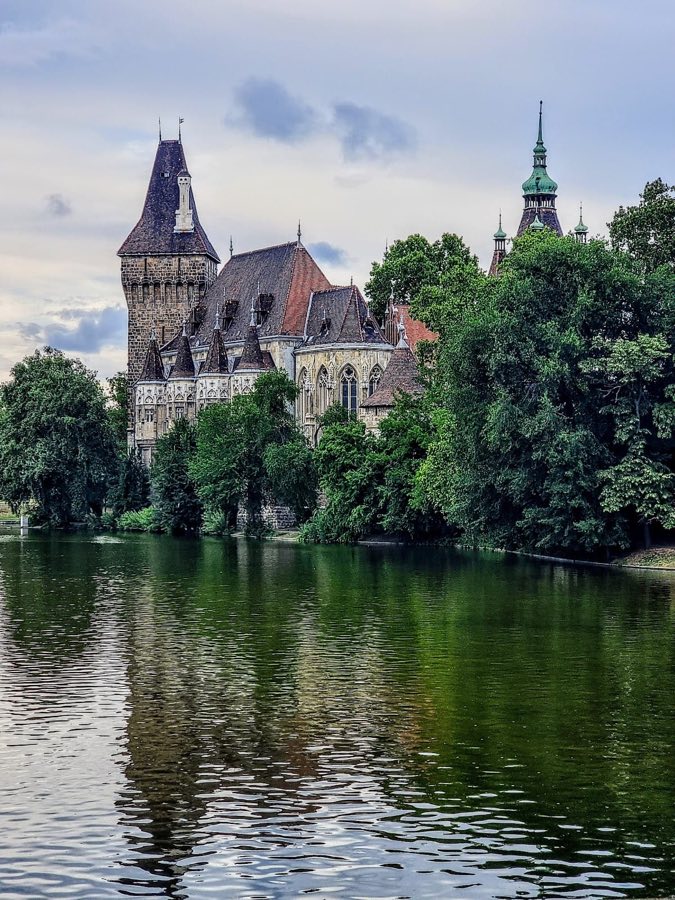
See all castles in HungaryVajdahunyad Castle is located in Budapest, Hungary, within the City Park (Városliget), and was created by Hungarian architects in the late 19th and early 20th centuries as a monumental tribute to the country’s architectural heritage.
The castle’s origins date back to 1896 when it was constructed as part of the Hungarian Millennium Exhibition, celebrating the thousand-year anniversary of the Magyar conquest of the Carpathian Basin. Designed by Ignác Alpár, the structure served as a pavilion showcasing a variety of historical Hungarian architectural styles and famous buildings. Initially built from temporary materials such as wood and cardboard, it quickly became a popular attraction. This success led to its preservation and its conversion into the Hungarian Royal Agricultural Museum in 1897. However, due to the fragile materials, the original pavilion closed and was dismantled by 1899.
Recognizing the cultural importance of the site, a more permanent reconstruction began in 1902 under Alpár’s supervision. This new version, constructed with stone and brick, was completed by 1908. It reopened as the Agricultural Museum in 1907, officially inaugurated by Emperor Franz Joseph I, reflecting the castle’s role in both cultural memory and state institutions. The castle was named after the medieval Vajdahunyad Castle in Transylvania, closely linked to the Hunyadi family, particularly the 15th-century military leader John Hunyadi and his wife Elizabeth Szilágyi.
Throughout the 20th century, the castle experienced various trials. It sustained damage during World War II bombings, and further repairs were necessary following the 1956 Hungarian uprising. Restoration works continued until 1985 when the castle was fully restored. Since 1991, Vajdahunyad Castle has been recognized as a protected historic monument. An important religious element was added in 1915, with the dedication of a Roman Catholic chapel modeled on the medieval Ják Chapel, which remains active for worship and ceremonies. The castle’s cultural significance is also expressed through statues of notable Hungarians such as its architect Ignác Alpár, the medieval chronicler Anonymus, and the actor Béla Lugosi, emphasizing its continued role in national identity.
Vajdahunyad Castle is a complex architectural ensemble exhibiting a blend of Romanesque, Gothic, Renaissance, and Baroque styles, each section modeled after notable historic buildings from the medieval Kingdom of Hungary. The composite design forms a large complex arranged around courtyards and ponds, set prominently on Széchenyi Island in the Városligeti Lake.
The Romanesque portion includes the Ják Chapel, inspired by the church in Lébény and featuring a portal that replicates the entrance of Ják Abbey. This area also contains a cloister adorned with pillars and capitals reflecting the Árpád dynasty era (the early Hungarian kings), an auditorium, and a stone bridge with lion sculptures. A prominent gatehouse measuring over ten meters wide features an imitation of a portcullis—a heavy gate used in medieval castles—and battlements taken from the Diakovár episcopal castle. Nearby, the Segesvár (now Sighișoara in Romania) bastion tower rises 37 meters tall, accompanied by the Tompa Tower that faces a water body.
The Gothic section centers on the Nyebojsza Tower, a replica of the original Vajdahunyad castle tower, serving as the dominant feature of the main facade. The adjoining Hunyadi loggias imitate the original castle’s courtyard design. This section includes a knights’ hall and a smaller chapel originally from the Csütörtökhely estate belonging to the Zápolya family, along with a cathedral-like facade. The Hunyadi courtyard displays detailed relief portraits of Árpád dynasty kings and a loggia featuring sculptures of King Matthias Corvinus and Beatrix of Aragon. The Apostles’ Tower, modeled on the citadel tower from Segesvár, completes this group.
The Renaissance and Baroque styles are represented in the main entrance building, fashioned after an Austrian Baroque palace and topped with a dome inspired by the Charles Gate in Gyulafehérvár (modern Alba Iulia). The Katalin Bastion tower recalls the Catherine Gate of Brassó (Brașov), with a balcony inspired by the Bártfa town hall. Nearby facades exhibit German Renaissance features, including sgraffito—a decorative plaster technique—with a 50-meter-high tower crowned by an onion dome emphasizing Baroque influence. A smaller French tower in early Renaissance style is decorated with dolphin motifs on its roof ridge.
Inside, the castle’s furnishings, crafted by Dénes Györgyi and completed in 1912, feature heavy, richly carved wood pieces designed in simple cubic forms, creating an atmosphere that combines artistic refinement with a monumental historic feel.
The complex is accessible via four bridges linking it to the surrounding area, with the main gateway positioned on the northwest side, directly facing Budapest’s Heroes’ Square. Scattered throughout are numerous statues and busts commemorating important Hungarian personalities, created over more than a century by various sculptors. Since 2015, visitors can access the gatehouse tower and the Apostles’ Tower, which provide elevated views within the castle grounds.
Today, Vajdahunyad Castle houses the Hungarian Agricultural Museum, which preserves and exhibits a wide array of farming tools, machinery, and related artifacts. Exhibitions rotate regularly, highlighting Hungary’s agricultural history within the striking architectural framework that celebrates the nation’s medieval past.
No. 94461
No. 88783
No. 75718
No. 21872
Comments
Comments for Vajdahunyad Castle will require a verified account before posting.
We'll send a verification link before your first comment is published.