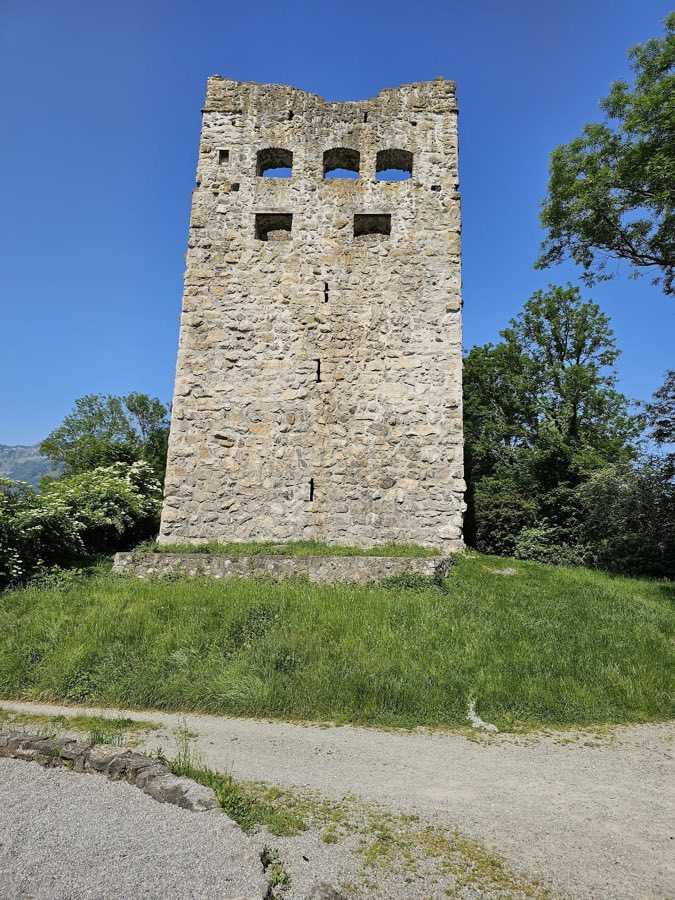
No. 34732
Schloss Blatten
Switzerland
CastleRuin15th century
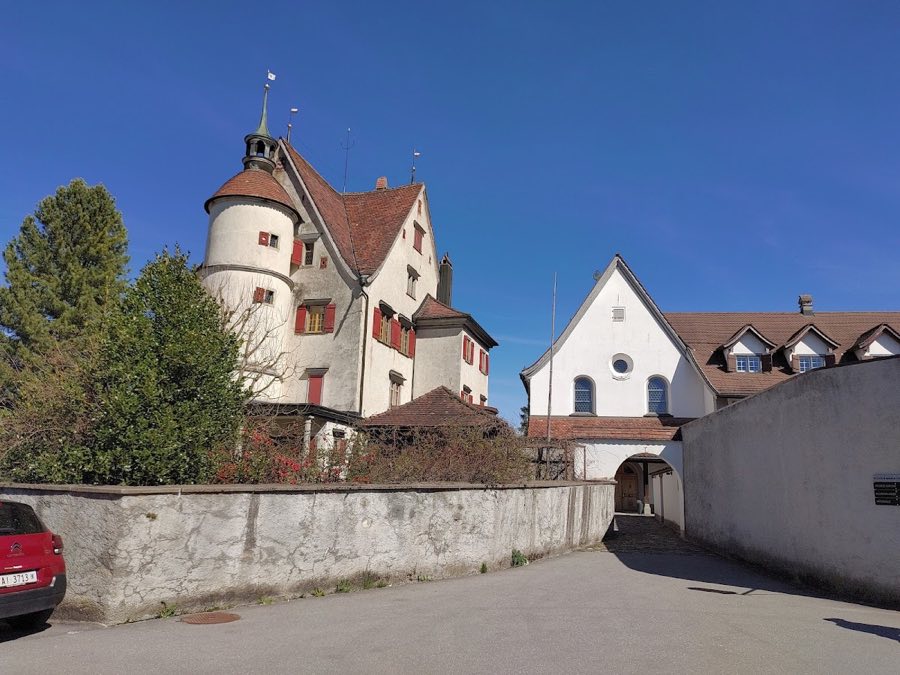
No. 64706
No. 64706 · 47.330 N, 9.410 E
Quick summary
Appenzell Castle is a palace in Switzerland with origins associated with the 16th century.
See all castles in SwitzerlandAppenzell Castle is located in the municipality of Appenzell, Switzerland, and was built in the mid-16th century by local inhabitants during the period of the Protestant Reformation. The castle’s construction began in 1561 and was completed by 1563 under the direction of Antoni Löw, a prosperous physician known for his strong support of the Reformation movement in the Appenzell region.
Following its completion, the castle became closely linked to the religious tensions of the era. Antoni Löw, the original builder, was executed by local Catholic opponents on December 19, 1584, after being accused of defaming a Catholic priest. As a consequence, the city confiscated the property and handed it over to the Franciscan religious order.
The Franciscan community occupied the castle for nearly a century. In 1682, they moved out to a newly erected convent nearby, named Maria zum Engel (St. Mary of the Angels), situated adjacent to the castle. After the Franciscans vacated the premises, the property was sold to Antoni Speck, who held it until his death in 1708. Ownership then transferred to Johann Baptist Fortunat Sutter, initiating the continued possession of the castle by the Sutter family.
In 1875, Dr. Anton Alfred Sutter became the sole owner and transformed part of the castle into his medical office. This adaptation influenced the castle’s local nickname, commonly referred to as the “Doctor’s House.” The castle remains under the ownership of the Sutter family and has been officially recognized as a Swiss cultural property of national importance, reflecting its enduring historical and cultural significance.
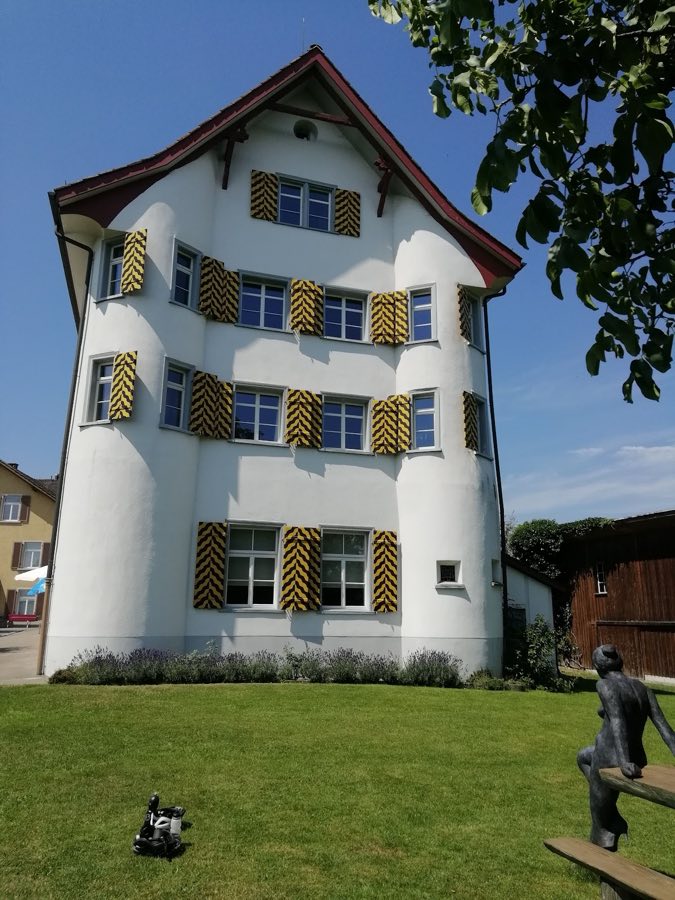
Appenzell Castle is a stone-built structure designed as a patrician house with a square ground plan rising four stories high. Its construction features a blend of Gothic and Renaissance architectural elements, marking it as distinctive in the area and era.
Key architectural components include a double-pitched cross-gable roof, characteristic of Renaissance influence, and a round staircase tower, which provides access between the floors. Additionally, the castle’s entrance is marked by a portico, adding to its stylistic refinement.
Notably, the castle stands out as one of the few stone buildings from the 16th century remaining in Appenzell, highlighting its rarity and historical value. The durable materials and solid construction techniques have allowed it to survive through centuries with its main structural elements intact. The castle has undergone various functional adaptations, such as housing a medical practice in the 19th century, but its primary features remain well preserved and recognizable in their original form.
No. 34732
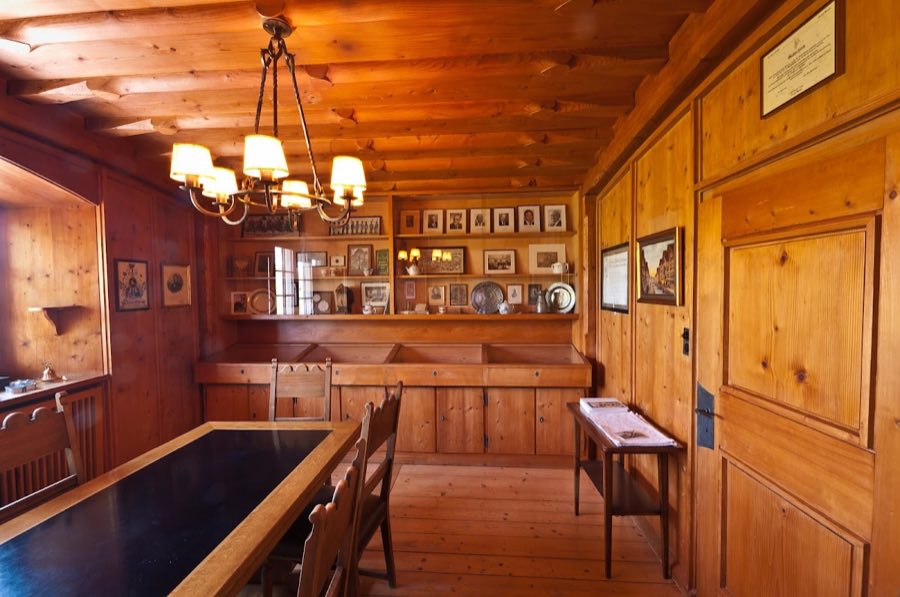
No. 52664
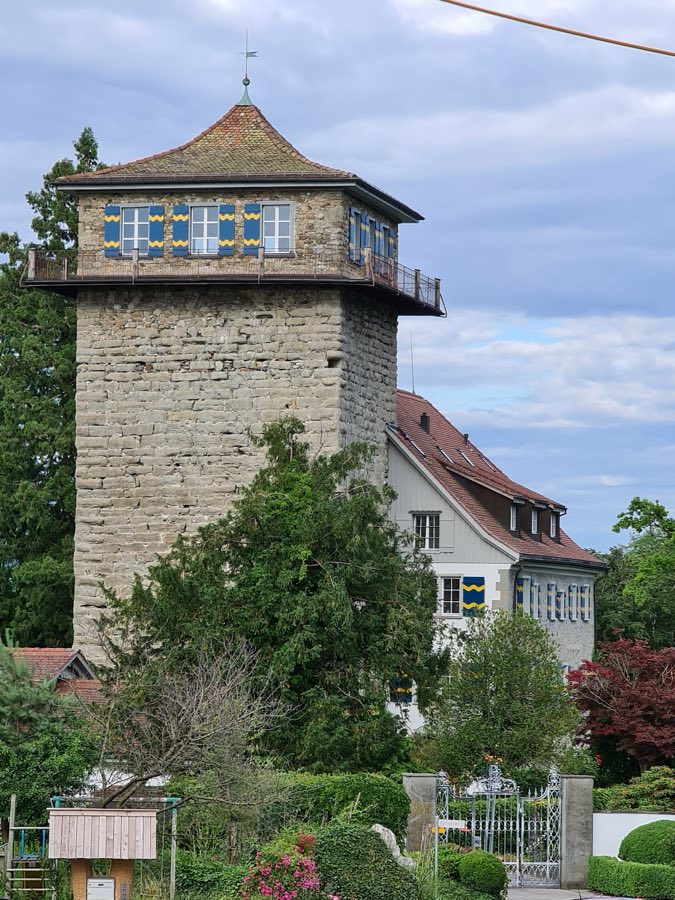
No. 34863
No. 40815
Comments
Comments for Appenzell Castle will require a verified account before posting.
We'll send a verification link before your first comment is published.