No. 79802
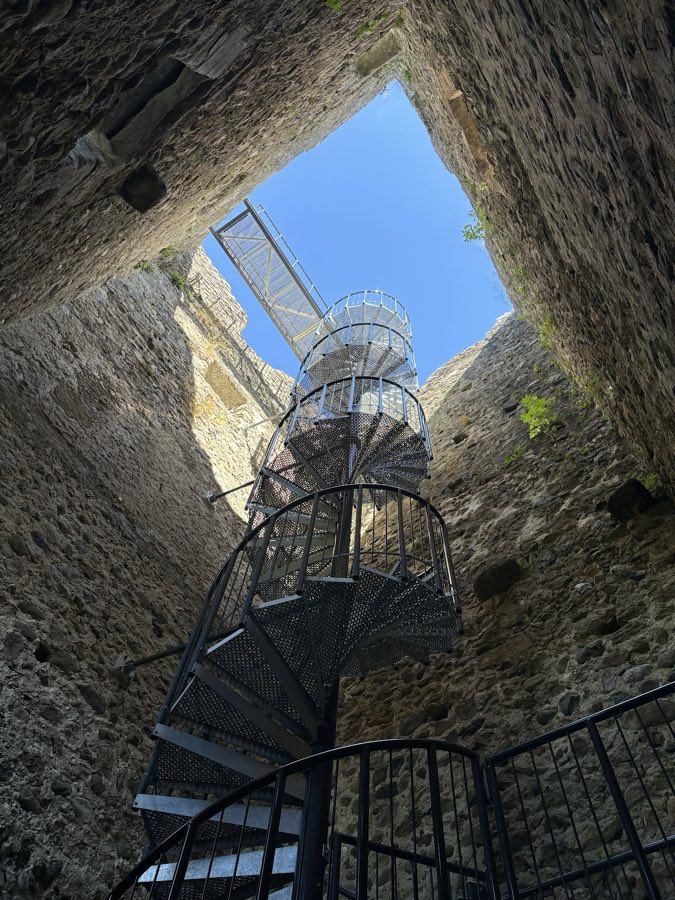
Old Ramschwag Castle, Häggenschwil
Häggenschwil, Switzerland
CastleRuin6th century
No. 40815
Castle · Switzerland
No. 40815 · 47.477 N, 9.377 E
For rent
Dottenwil Castle is marked for bookable castle accommodation. Nightly pricing, sleeps count, stay rules, and amenities are displayed only when public operator data is available.
Rental type: Hotel / bookable stay, Short-stay rental
Short-term availability: Bookable accommodation signal
Quick summary
Dottenwil Castle is a castle in Switzerland with origins associated with the 16th century.
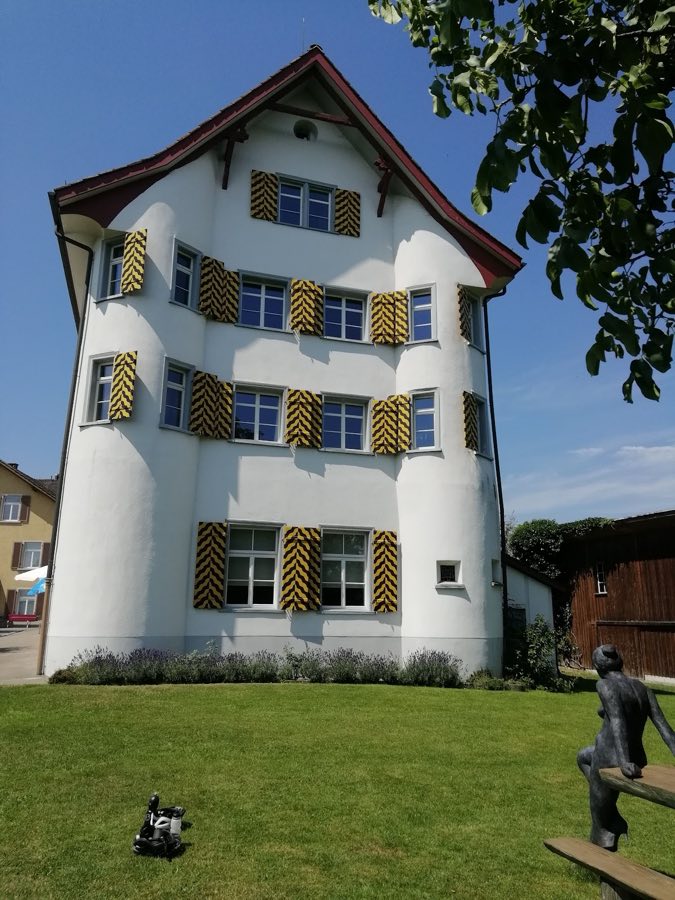
See all castles in SwitzerlandDottenwil Castle in Wittenbach, Switzerland, was built in 1543 by Peter Graf and developed through the late 16th century into a larger manor complex; the hilltop site, known from records as early as 1302, later acquired a neo-Gothic chapel and became important to the local community for social and cultural uses. The estate first appears in medieval documentation in 1302; the present castle fabric dates to the mid-1500s and took on its characteristic enlarged plan and corner towers around the end of that century.
In 1587 the estate passed by inheritance to Weibratha and her husband Konrad Atzenholz, a merchant descended from a Tyrolean noble line. Konrad carried out the expansion that lengthened the building on two sides and added corner towers. Their daughter Margaretha brought the property into her marriage with Christoph Buffler, transferring ownership into that family line.
During the early 1800s the castle and its grounds entered a new phase as a health and leisure destination. In 1807 Johann Baptist Blattmann, formerly governor from Aegeri, purchased the estate and erected a substantial spa house and an elaborate garden beside the castle. The hotel and whey spa (a facility for molke, or whey, cures) became well known, but Blattmann’s financial overreach led to foreclosure. Creditors auctioned the property in 1816, and Caspar Bernet of the St. Gallen government council bought it.
By 1825 part of the nearly new spa building had been adapted for agricultural use, with one half turned into a stable and barn. The municipality of Wittenbach acquired the entire castle and estate on 18 July 1886 and repurposed it as an almshouse and retirement home. A roof turret fitted with a bell was added atop the ridge in 1890. The large spa house burned on New Year’s Day 1901 and was rebuilt on a smaller footprint.
Mid-20th-century maintenance altered the complex further. Renovations in the 1950s–1960s included covering and demolishing the draw-well behind the house in 1957 and modernising the neo-Gothic chapel; many painted interiors and wood inlays were lost during that work, though fragments were recovered and placed in the local museum in 1962. The retirement-home function inside the castle continued until late 1997.
In 1998 the municipality made the castle available to a local interest group to run a museum and a cultural meeting place on a trial basis. Renovation and restoration began in earnest: the town repaired facades and windows while volunteers and the interest group refurbished interiors. A formal loan agreement among the municipality, the interest group and the local museum society began on New Year’s Eve 2001 and has been extended repeatedly, most recently into 2026. Volunteers recorded roughly 30,000 hours of work between 1998 and 2004; by 2018 about 200,000 hours had been invested. In 2002 the citizens’ assembly approved a credit of about 1.1 million Swiss francs to adapt rooms for the museum. Work proceeded in stages, renovating the attic, a second-floor west room once used as a schoolroom, the stair up to the attic, a workshop and the so-called Katzenstalle, while the shed behind the castle was converted for storage of historic household and farm tools from the former cooperative cider press. The managing interest group received a recognition award from the St. Gallen Cultural Foundation in 2006 and a volunteer award from the Swiss Non-Profit Society in 2011, and celebrated its 25th anniversary in 2023. As of 2023 the municipality remains the owner and the site continues in public use as a museum, cultural venue and restaurant.
Alongside building repairs, a south-facing vineyard was established on the castle hill in 2001–2002. Planted across roughly 33 ares, it carries about 700 Johanniter white vines and 1,000 Gamaret red vines tended by 25 volunteer caretakers known as the Reblüt. Wine production is handled by a Berneck winery; recorded harvests include around 1,500 kilograms of Johanniter and 1,600 kilograms of Gamaret in 2018, and 687 kilograms of Johanniter (91 degrees Oechsle) and 715 kilograms of Gamaret (87 degrees Oechsle) in 2022.
Dottenwil Castle occupies a drumlin at roughly 617 metres above sea level, set on a raised, south-facing hill that frames the castle and its garden with views toward Lake Constance and the Alpstein. The core building retains the footprint formed by the mid-16th-century construction and the later extension at the end of that century when the house was lengthened on two sides and fitted with corner towers. A roof turret carrying a bell was added on the ridge in 1890 and remains a distinctive vertical element.
The large early 19th-century spa house once stood beside the castle; it burned on 1 January 1901 and was rebuilt afterward in a much reduced form. Part of that nearly new spa had already been converted to stable and barn use in 1825. The draw-well behind the main house was removed and covered in 1957, changing the service arrangement at the rear of the compound.
Interior fittings originally included painted decoration and wood inlays, but much of this work was lost during mid-20th-century alterations; salvaged fragments of the painted and inlaid work were placed in the local museum in 1962. The complex contains a neo-Gothic chapel that underwent modernisation during the same period; its older Way of the Cross images were transferred on loan to the Oberrindal chapel.
Restoration since the late 1990s has addressed roofs, facades and windows and has rehabilitated several interior spaces. The attic or roof space was renovated first, followed by the west-area second-floor room once used as a schoolroom and the stair up to the attic. Subsequent phases repaired a workshop and the space known as the Katzenstalle, and the shed behind the castle was adapted to serve as a storage and garage for historical household and farm tools and equipment from the former cooperative cider press. Volunteer craftsmen and helpers carried out a large share of this work.
The south-facing vineyard on the castle hill, planted in 2001–2002 on about 33 ares, remains an active landscape feature. It holds roughly 700 Johanniter vines and about 1,000 Gamaret vines, with vine care and harvest performed by a volunteer group called the Reblüt and processing provided by a winery in Berneck. Recorded grape yields document the vineyard’s productive role within the estate’s modern ensemble.
No. 79802
No. 90761
No. 34863
No. 96895
Comments
Comments for Dottenwil Castle will require a verified account before posting.
We'll send a verification link before your first comment is published.